Early market access can change a season’s profitability, and nothing accelerates seed-to-sale timing like consistent soil warming and precise bed preparation. At Jiangsu Grande Machinery Manufacturing Co., Ltd., we engineer equipment that helps growers plant sooner and establish seedlings faster. In this guide you will learn practical steps and machine features that make the ridge laminating machine a pragmatic tool for season extension, stronger seedlings, and earlier harvest windows. Read on to discover film choices, machine settings, and field practices that translate into earlier yields and better crop quality.
How Ridge Mulching Accelerates Crop Development
Microclimate: How Film Raises Soil Temperature and Reduces Frost Risk
Plastic film laid over formed ridges creates a microclimate around the seed row. The film traps solar energy, warming the soil surface and the root zone. Warmer soil leads to faster germination and quicker root growth. In marginal spring conditions the covered ridges also reduce the frequency and severity of overnight frost damage close to the ground. For growers aiming to pull forward their harvest date by days or weeks, creating and maintaining that warmer microclimate is the essential first step.
Moisture Stability and Seedling Vigor
Beyond temperature, the film maintains a more stable moisture regime in the ridge. Evaporation at the soil surface drops markedly after mulching, so seeds and young seedlings experience less moisture stress during their critical early stages. That steady moisture environment produces more uniform emergence and stronger seedlings that outperform unmulched counterparts when transplanting or thinning is required.
Scientific Evidence and Typical Earliness Gains
Field trials and extension literature consistently point to temperature and moisture as primary levers for earliness. Where soil warming and moisture conservation occur together, growers typically see improved germination uniformity and earlier canopy development. This combination shortens time to first harvest and can allow a farm to reach premium market windows. For growers focused on early-season returns, integrating ridge mulching into a planting system is a proven cultural practice.
Film Choices: Colors, Thickness, and Degradable Films
Black, Clear, Reflective Films — When to Use Each
Black film is most commonly used to suppress weeds while warming the soil moderately. Clear film maximizes soil warming and is preferred where rapid temperature rise is the priority. Reflective films are used in hot regions or where reducing soil heat and directing light to plant canopies is desired. The right choice depends on climate, crop, and whether the primary goal is weed control or maximum soil warming.
Biodegradable Film: Pros and Considerations for Mechanized Laying
Biodegradable films reduce plastic residue concerns and simplify end-of-season cleanup. Mechanized laying requires consistent film strength and predictable elongation. Modern ridge laminating machines accommodate biodegradable options but operators must confirm film width, roll diameter, and tensile characteristics before widescale use. When matched correctly, degradable films give growers the earliness benefits while lowering long-term plastic management costs.
Film Width and Overlap Decisions for Different Crop Beds
Film width should match the ridge profile and bed spacing. Wider films provide better side anchoring and reduce risk of wind lift, while narrower films can be more economical for narrow beds. Overlap at the film edges must be adequate for mechanical edge burying to ensure tight sealing. Proper matching of film size with ridge height and burying method is essential to maintain a warm, moist microclimate.
Machine Settings and Planting Practices That Speed Maturity
Ridge Height, Planting Depth and Row Spacing Adjustments
Higher ridges warm faster and drain better, but they also expose roots if too high for a particular crop. Adjust ridge height and planting depth to create a root zone that balances warmth and moisture. Narrow row spacing concentrates soil warming effects and can speed canopy closure. Small changes in ridge profile and depth translate directly into seedling vigor and how quickly plants reach harvestable size.
Integrating Drip Tape and Seeders with the Ridge Laminating Machine
Combining drip irrigation installation and seeding or transplanting attachments into the ridge laminating pass reduces soil disturbance and speeds field operations. Drip tape installed under film maintains soil moisture precisely, supporting steady early growth. Seeding attachments tailored to the ridge profile place seed or seedlings at the correct depth relative to the warmed zone, maximizing the benefit of the mulched microclimate.
Seeding Schedules and Multi-Pass Strategies for Staggered Harvests
Staggering plantings across a short period using the ridge laminating machine lets growers spread harvest timing without multiplying field preparation work. Multi-pass strategies tailored to crop maturity windows create a rolling harvest that captures early market prices while maintaining overall throughput. Planning seed schedules to leverage warmed ridges can produce a compact, high-value early harvest period.
Environmental and Sustainability Considerations
Plastic Film Waste Management and Degradable Film Trade-Offs
Film waste is a critical consideration. Biodegradable films simplify disposal but can cost more and require careful selection. Non-degradable film requires collection and recycling where available. Efficient film placement through precise machine control reduces excess waste from tears and poor anchoring, lowering the total volume of plastic used across a season.
Soil Health Considerations: Rotation and Organic Matter
Ridge mulching changes surface conditions and can influence soil biology. Good crop rotation and building organic matter protect long-term soil health. Mulched ridges work best as part of an integrated system that includes residue management and periodic soil-restoring practices.
How Your Machine Supports Precise Film Placement to Reduce Waste
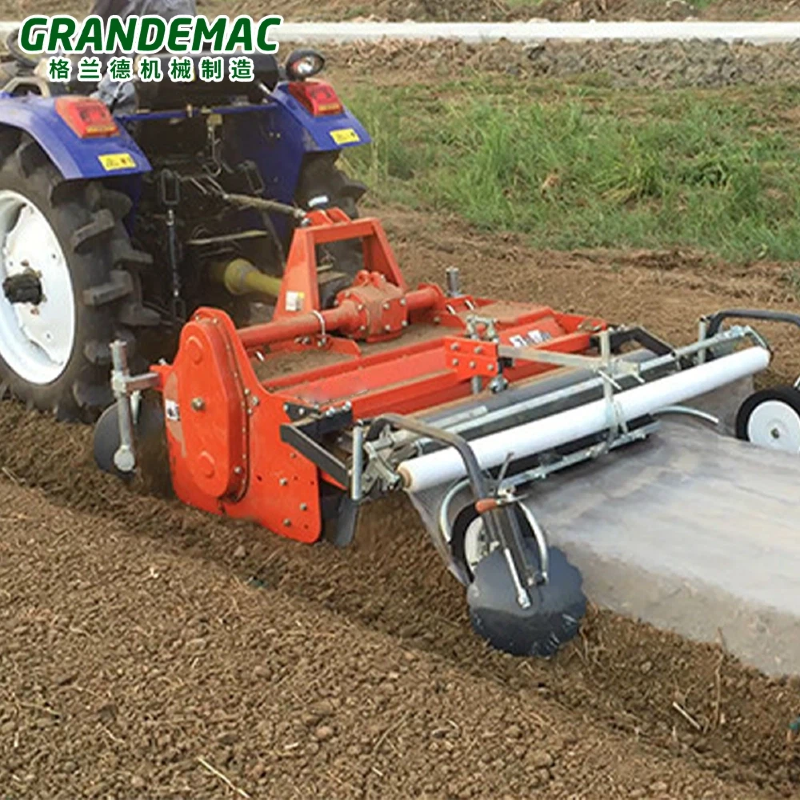
A high-quality ridge laminating machine reduces film waste by keeping film tension consistent, aligning rolls precisely, and forming ridges that match film dimensions. These design elements minimize tears and misalignment, which are common sources of discarded film in poorly executed operations.
Comparing Solutions: Manual, Retrofit Attachments, and Integrated Ridge Laminators
Small-Scale Attachments Versus Full Machinery
For small farms, plastic mulch layer attachments or retrofit kits on rotary tillers offer a low-cost entry to ridge mulching. These solutions are useful for trialing mulching with limited investment. However, for consistent earliness across larger acreage, dedicated ridge laminating machines deliver uniformity and speed that small attachments struggle to match.
When to Upgrade to a Higher-Capacity Ridge Laminating Machine
Growers expanding acreage or moving into commercial vegetable production often reach a tipping point where higher-capacity, multi-row ridge laminators become cost effective. The productivity gains from covering more rows per hour stretch field windows and reduce per-hectare operating costs.
Maintenance and Longevity Factors
Durability affects uptime during key planting windows. Look for machines with robust bearings, accessible service points, and simple tensioning systems. Regular maintenance of blades, rollers, and tensioners keeps the machine performing reliably in early-season schedules where timing is everything.
Customer Stories and Best Practices
Quick Vignette: Small Vegetable Grower Who Gained One to Two Weeks Earliness
A small grower focused on early tomatoes used mulch films and a single-row ridge laminator to warm beds and reduce transplant shock. By placing drip tape under the film and refining planting depth, the grower advanced the harvest by a week to ten days and captured premium market windows with minimal increase in daily work.
Large Farm Example: Multi-Row Machine and Labor Reduction
A larger commercial farm switched to a multi-row ridge laminating configuration to prepare several hectares per day. The integrated seeder and drip-laying attachments allowed a single operator to perform tasks that previously needed a crew, freeing labor for transplanting and harvest preparation.
Practical Checklist Before You Run the Machine in Spring
Confirm film compatibility and roll dimensions. Check ridge blade alignment. Set film tension and test a short pass. Inspect drip tape and seeder attachments for correct spacing and depth. Verify tractor speed and PTO settings to match machine recommendations. This checklist reduces trial-and-error during short spring windows.
Conclusion
When timed and executed correctly, a ridge laminating machine combined with the right film and settings is a fast, reliable path to earlier harvests and stronger margins. Jiangsu Grande Machinery Manufacturing Co., Ltd. builds machines that support precise film placement, drip integration, and durable operation so growers can reach early market windows with confidence. To get crop-specific recommendations, download our e-guide or request a demo and contact us for more details about our ridge laminator systems including the B Series. Contact us today to schedule a consultation or request product photos.
FAQ
How does a ridge laminating machine compare to a plastic mulch layer for early harvests?
A ridge laminating machine forms beds and applies film in one pass, creating a tailored microclimate and better drainage. A basic plastic mulch layer works for flat beds but lacks the ridging benefits that accelerate root development and earliness.
Can biodegradable films deliver the same earliness as conventional films?
Yes, when film characteristics match machine requirements. Biodegradable films can warm the soil and conserve moisture comparably if they have appropriate tensile strength and width for mechanized laying.
What are the top machine settings to maximize early maturity?
Prioritize ridge height that warms effectively without exposing roots, controlled film tension to avoid wrinkles, and correct planting depth to position seed within the warmed zone. Integrating drip irrigation under the film enhances uniform moisture and seedling vigor.
Is the investment in a ridge laminating machine justified for small farms?
Small farms can start with single-row units or retrofit attachments. If early-season premium prices and labor savings matter, even smaller operations can see a fast payback through improved earliness and reduced manual work.


