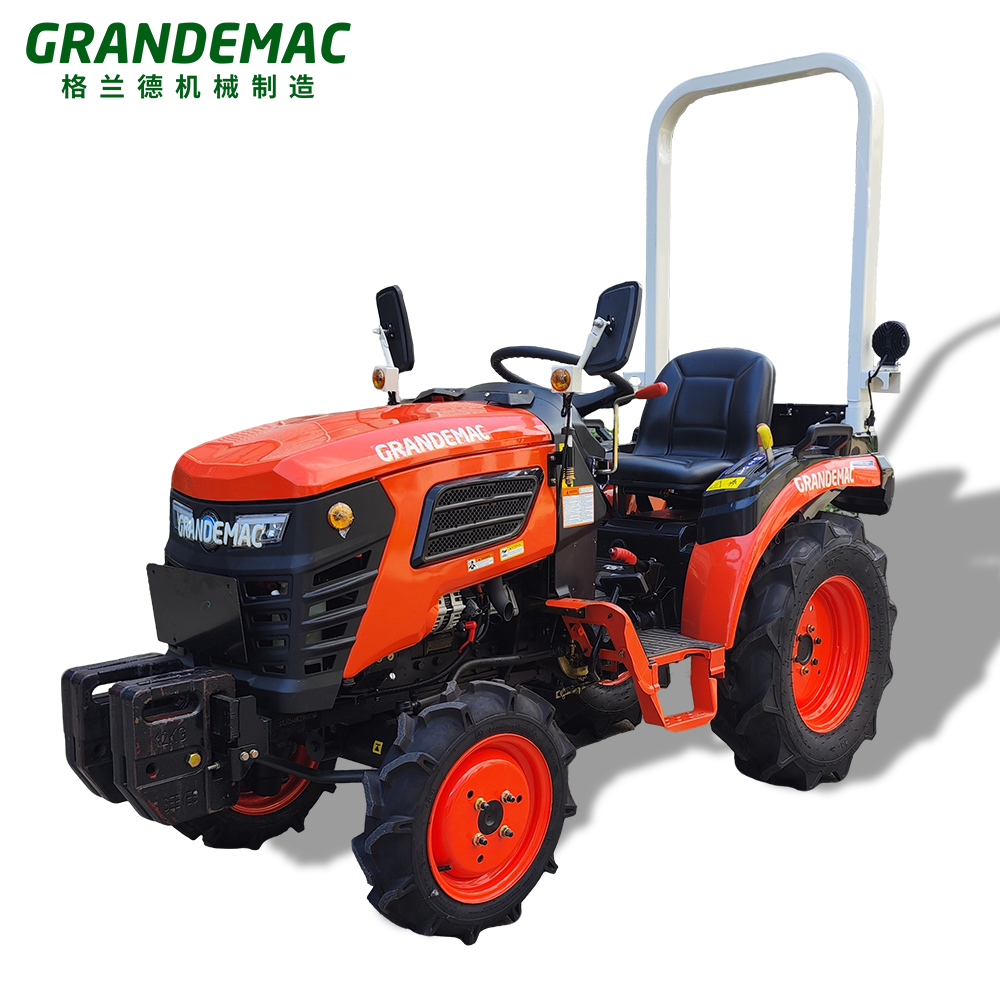
Off-the-shelf agricultural equipment rarely meets the precise dimensional, terrain, and operational constraints of modern high-density orchards. You operate in complex environments where every inch matters. Generic tractors struggle navigating narrow rows and specialized crop layouts. Ordering a customized orchard work vehicle represents a major capital expenditure. Over-specifying inflates your budget unnecessarily. Under-specifying causes frustrating operational bottlenecks during peak harvest seasons. We designed this guide to help you avoid these costly missteps entirely. This article provides a technical, objective framework for defining your exact structural, mechanical, and compliance specifications. You will learn how to measure dimensional constraints, evaluate hydraulic needs, and prioritize operator safety efficiently. These actionable insights prepare you properly before approaching a manufacturer. Clear requirements ensure you receive exactly what your farming operation needs.
Key Takeaways
Dimensions dictate design: Canopy height, row width, and turning radiuses must be strictly quantified before evaluating drivetrains or payloads.
Hydraulics over horsepower: Standard power metrics matter less than precise hydraulic flow rates and PTO capabilities for specialized orchard implements.
Safety and compliance cannot be retrofitted: Cab filtration for spraying and low-profile ROPS (Roll-Over Protection Structures) must be factored into the initial custom build.
Vendor vetting mitigates risk: Lead times, warranty terms, and reliance on non-proprietary parts are just as critical as the vehicle's physical specs.
Why Standard Equipment Fails in Specialized Orchards
The Dimensional Mismatch
Standard tractors often wreak havoc in specialized agricultural setups. They feature bulky frames unsuited for modern planting geometries. These oversized units routinely cause costly canopy damage. They snap fragile branches and trigger premature fruit drop. Narrow-row and V-trellis systems demand extremely tight clearances. Generic vehicles simply cannot navigate these confined spaces safely. Their heavy footprint also leads to severe root compaction. Compacted soil restricts water absorption and harms long-term tree health. High-density apple and pear orchards suffer immensely from improper machinery profiles. You lose valuable yield every time a generic tractor scrapes a dense tree row.
Workflow Inefficiencies
Off-the-shelf units lack essential integration features. They rarely include built-in bin-handling systems. They also lack specialized mounting points for custom sprayers. Specialized crop cycles require seamless equipment transitions. Farm operators waste countless hours modifying generic machinery onsite. They strap temporary mounts onto standard frames. These makeshift solutions reduce overall workplace safety significantly. They also slow down time-sensitive harvesting operations. A purpose-built machine eliminates these frustrating workflow bottlenecks entirely. Operators can focus on farming instead of constant equipment modification.
The Operational Efficiency Argument for Customization
You must justify the upfront premium of bespoke machinery through careful efficiency planning. Calculate the reduction in long-term crop damage carefully. Custom equipment protects delicate yields from mechanical harm. It drastically reduces wasted labor hours spent on constant equipment modification. You also eliminate the need to purchase redundant secondary machines. A single, well-designed machine handles multiple specialized tasks seamlessly. The initial financial outlay pays dividends through optimized operational efficiency. It protects your bottom line across multiple harvest seasons.
Dimensional and Terrain Specifications to Define First
Maximum Envelope Constraints
Define your absolute maximum width carefully. You must allow for implement overhang. Mowers and side-sprayers extend beyond the main chassis footprint. Calculate the maximum height by accounting for operator seating. Consider low-hanging branches in mature orchards. Nut orchards often feature dense, drooping canopies. Measure the narrowest headland in your layout. Use this measurement to specify the required turning radius accurately. Articulated steering might be necessary for extremely tight turns. Document every dimension meticulously before requesting initial proposals.
Measure minimum row spacing across your oldest orchard blocks.
Calculate absolute maximum height limits under mature canopies.
Determine headland turning space available at the end of each row.
Account for the widest attachment you plan to mount.
Ground Contact and Soil Preservation
Evaluate your ground contact options based on terrain grading. Assess seasonal mud conditions accurately. Wheeled systems work well for dry, flat terrain. Continuous tracks excel in seasonal wet conditions. Tracks distribute machine weight evenly across fragile soil. This prevents deep ruts from forming. High clearance prevents high-centering on uneven ground. Rutted rows easily trap low-clearance machinery. You must specify adequate ground clearance from the start. Compare your terrain realities against available traction systems.
Table 1: Wheeled vs. Continuous Track Systems for Orchards
Feature
Wheeled Systems
Continuous Track Systems
Terrain Suitability
Dry, flat, well-maintained rows
Muddy, steep, or highly uneven ground
Soil Compaction
Higher risk in wet conditions
Lower risk due to distributed weight
Maintenance Focus
Tire pressure, puncture repair
Tension adjustment, roller wear
Turning Impact
Minimal soil disruption on turns
Can scuff soil during sharp zero-turns
Stability Metrics
Detail the required center of gravity carefully. This metric is critical for steep gradients. Hillside avocado farms present unique rollover dangers. Citrus orchards on uneven terrain require wide stances. Detail your specific slope angles for the manufacturer. Engineers use these metrics for precise weight distribution calculations. A remarkably low center of gravity saves operator lives. Never compromise on stability specifications when navigating aggressive hillside inclines.
Power, Payload, and Implement Integration
Right-Sizing the Powertrain
Avoid defaulting to maximum available horsepower automatically. Huge engines waste valuable fuel daily. They also generate excessive heat in tight spaces. Instead, match engine torque to your heaviest continuous load. Imagine pulling fully loaded sprayers directly uphill. This demanding scenario requires sustained low-end torque. Right-sizing the powertrain ensures highly reliable performance. It prevents constant engine strain during heavy tasks. Speak directly to engineers about continuous load ratings.
Hydraulic and PTO Requirements
When configuring a custom orchard tractor solution, prioritize hydraulic specifications relentlessly. Standard horsepower metrics matter far less here. Specify required hydraulic flow rates in Gallons Per Minute (GPM). Define necessary pressure in Pounds Per Square Inch (PSI). High-demand implements require robust hydraulic support constantly. Flail mowers, mechanical pruners, and tree shakers rely on consistent fluid flow. Under-specifying flow rates causes sudden implement stalling. Determine your specific need for front versus rear PTO mounts. Front PTOs allow superior operator visibility for specialized trimming tasks.
Payload and Cargo Configurations
Define the exact dimensions of your standard harvest bins. Specify their maximum loaded weight accurately. A successful custom orchard transportation vehicle design relies on these specific metrics. Request heavily reinforced flatbeds for dense loads. Ask engineers about specialized loading forks. Consider specifying modular chassis designs for varied seasons. Modular platforms adapt to different harvest phases quickly. They offer true year-round utility across your entire farming operation.
Operator Ergonomics, Safety, and Compliance
Chemical Application Safety
Operators face severe risks during frequent chemical applications. Pesticide and fungicide spraying requires maximum respiratory protection. Specify pressurized, Level 4 filtration cabs explicitly. These specialized cabs meet rigorous EN 15695 industry standards. They block harmful aerosols and toxic vapors completely. Do not rely on basic agricultural dust filters. Proper carbon filtration prevents long-term respiratory illnesses. Prioritize operator lung health in your initial design specifications.
Low-Profile Protection
Roll-Over Protection Structures (ROPS) save lives during accidents. However, standard ROPS snag expensive netting easily. They tear straight through delicate trellis wires. You must detail requirements for specialized canopy protection. Specify folding or low-clearance ROPS designs. These structures protect the operator efficiently. They slip smoothly under low branches without causing canopy damage. Always ensure these custom structures meet strict ISO rollover standards.
Ergonomic Durability
Harvest shifts routinely last 12 grueling hours. Operator fatigue causes dangerous, costly accidents. Specify high-quality suspension seating for your crew. Demand intuitive control placement across the dashboard. Joysticks should rest naturally near the operator's hands. Request comprehensive vibration dampening throughout the cabin. Constant chassis vibration damages spinal health over time. Ergonomic durability keeps operators highly alert and ultimately safe.
Evaluating an Orchard Work Vehicle Supplier: Vetting Criteria
Engineering Transparency
Never pay a final deposit blindly. Assess the supplier's engineering transparency first. They must provide detailed CAD drawings readily. Request comprehensive weight distribution calculations before production starts. Review their proposed hydraulic schematics closely alongside your mechanic. A reliable orchard work vehicle supplier shares these documents gladly. Total transparency proves their underlying design maturity. Refuse to work with builders hiding structural details.
Component Sourcing
Proprietary components trap you into highly expensive service contracts. Favor builders utilizing standardized, commercial parts. Look for universally available Cummins diesel engines. Request standard Danfoss hydraulic pumps and valves. Local mechanics understand these widespread brands intimately. Standardized parts ensure immediate local serviceability. You avoid waiting long weeks for rare, imported replacement parts. Uptime is critical during harvest windows.
References and Localized Expertise
Demand relevant case studies before signing major contracts. Ask for references from similar farming operations. Look for clients sharing your exact terrain and crop types. Validating real-world reliability is absolutely crucial. A successful custom orchard work vehicle deployment speaks volumes. Speak directly to previous buyers about their field experiences. Ask them specifically about post-sale support and actual breakdown frequencies.
Anticipating Timelines and Managing the Rollout
Manufacturing Lead Times
Custom manufacturing requires significant patience. Account for current global supply chain realities. Expect a 6-to-12-month window generally. This clock starts immediately after final design sign-off. Do not plan a major purchase weeks before harvest. Order well in advance of your busiest season. Buffer your timeline to accommodate unforeseen shipping delays.
Milestone Approvals
Structure your manufacturing contract intelligently.
Include mandatory chassis review phases early in the build.
Demand pre-paint inspections to verify structural weld quality.
Schedule rigorous hydraulic testing sign-offs.
Phased approvals prevent costly post-production modifications. Catching engineering errors early saves immense amounts of money. It also keeps the overall project strictly on schedule.
Post-Delivery Integration
Delivery day represents just the beginning. Plan for immediate onsite operator training. Operators must learn completely new control layouts safely. Schedule initial maintenance intervals immediately upon arrival. Register all OEM powertrain warranties the very same day. Proper integration ensures immediate field readiness. It prevents early mechanical failures caused by simple user errors.
Conclusion
A well-specified bespoke machine expertly bridges the gap between harsh agricultural demands and peak operational efficiency. You must prioritize daily function, equipment modularity, and standard replacement parts over minor cosmetic customizations. Accurate dimension tracking prevents costly field failures later. We strongly encourage you to audit your precise orchard dimensions and implement specifications today. Gather your headland measurements and hydraulic flow requirements carefully. Organize these critical metrics before requesting a formal consultation or quote. Preparation guarantees your final machine will protect your yields, optimize your labor, and serve your operation reliably for decades.
FAQ
Q: How much more does a custom orchard vehicle cost compared to a standard model?
A: Expect a typical premium between 15% and 30% over standard models. This initial markup reflects specialized engineering, reinforced frames, and custom hydraulic setups. However, you easily offset this premium through substantial operational savings. Custom machines drastically reduce crop damage during narrow-row navigation. They also eliminate the need to constantly modify generic tractors, saving countless labor hours.
Q: Can I modify a standard tractor for orchard use instead of ordering a custom build?
A: Modifying a generic tractor presents severe risks. Altering the wheelbase or cab height often compromises fundamental structural integrity. Such modifications immediately void original manufacturer warranties. More importantly, tampering with ROPS (Roll-Over Protection Structures) violates strict safety compliance laws. Custom builds integrate critical safety and precise dimensions safely from the very start.
Q: What is the typical warranty on a customized work vehicle?
A: Warranties for bespoke machinery usually split into two distinct categories. The Original Equipment Manufacturer (OEM) covers the core powertrain, including the engine and transmission. The custom supplier warranties the specialized fabrication work, hydraulic modifications, and bespoke chassis elements. Always demand written clarification on who exactly services each specific component.