Rotary cultivators are essential tools for preparing soil for planting. Their rotating blades make it easier to break up compacted soil, loosen dirt, and incorporate organic matter. However, a common question arises: Will a rotary cultivator cut through hard ground? This article will explore this question in detail, breaking down the key factors that determine the effectiveness of a rotary cultivator on tough, compacted, or hard soil.
1.What is Hard Ground?
Before diving into whether a rotary cultivator can handle hard ground, it’s important to understand what "hard ground" is and why it poses a challenge to cultivation tools.
Characteristics of Hard Ground
Hard ground typically refers to soil that has become compacted or dense over time. Several factors contribute to soil becoming "hard":
Compaction: Soil compression due to repeated use, heavy machinery, or lack of organic matter can make the ground hard and difficult to till.
Dryness: Dry soil, especially in arid climates, can harden significantly, making it tough for tilling tools to penetrate.
Clay Soils: Some soils, like clay, naturally compact more easily and retain water poorly, creating dense, hard surfaces that are difficult to till.
Rocky Terrain: Ground with large stones or rocks may be categorized as hard because these obstructions make it difficult for any tilling tool to dig through efficiently.
Hard ground is often a result of poor soil management or environmental factors, but the good news is that tools like rotary cultivators are designed to handle moderately tough soil. However, they are not a one-size-fits-all solution.
2.How a Rotary Cultivator Works
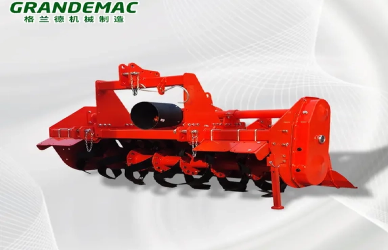
A rotary cultivator works by using rotating blades or tines that break up the soil, making it loose and more suitable for planting. This is done by the power of a tractor or motor driving the blades to penetrate the earth. The blades rotate in a horizontal direction, digging into the soil and turning it over. This process is effective for aerating the soil and mixing organic material into the ground.
Key Features of Rotary Cultivators
Feature | Description |
Rotating Blades | High-speed rotating blades break up soil and turn it over. |
Adjustable Depth | Many rotary cultivators allow users to adjust the depth of the tilling process. |
Power Source | Typically powered by a tractor’s PTO or a motor to generate the necessary torque. |
Wide Coverage | Covers larger areas more efficiently compared to hand tools. |
While the rotating blades are effective at breaking up soil, hard ground presents a challenge because the compacted nature of the soil can hinder the blades from reaching the required depth.
3. Can a Rotary Cultivator Cut Through Hard Ground?
Yes, a rotary cultivator can cut through hard ground to an extent. However, the effectiveness largely depends on several factors such as soil type, blade design, tractor power, and soil moisture. While rotary cultivators are powerful tools, their ability to handle extremely tough conditions like compacted, dry, or rocky soil is not unlimited. In some cases, additional preparation or equipment may be needed for optimal performance.
Factors Affecting the Performance of Rotary Cultivators on Hard Ground
Blade Design: The shape, strength, and material of the blades are crucial in determining how effectively a rotary cultivator can cut through hard ground. Some rotary cultivators are equipped with heavy-duty, reinforced blades designed specifically to handle tougher, more compacted soils. These blades can penetrate deeper and work more effectively on hard soil.
Tractor Power: The tractor's horsepower and torque play a significant role in the cultivator's performance. A higher-powered tractor can generate more force, allowing the cultivator to cut through tougher, compacted soils more effectively. Insufficient tractor power can cause the cultivator to struggle or even damage the equipment.
Soil Moisture: Moisture is one of the most important factors in determining how easily a rotary cultivator can penetrate hard ground. Soil that is slightly moist is much easier to work with than dry, hard soil. Moisture helps loosen compacted layers, making it easier for the cultivator blades to break through. Dry, hard soil requires more effort and can lead to inefficient tilling.
Tillage Depth: Rotary cultivators are designed to till soil at varying depths, but as the tilling depth increases, so does the need for more power. Deeper tilling on hard ground requires more force and may necessitate multiple passes or depth adjustments. For very hard soils, setting the cultivator to a deeper level may be necessary to reach the required tilling depth.
When to Consider Pre-Tillage or Additional Tools
While rotary cultivators can handle moderately tough soil, extremely compacted, dry, or rocky soils may require additional equipment before the rotary cultivator can be used effectively. In such cases, a subsoiler or plow may be needed to break through deeper layers of compacted soil. After the initial soil loosening, the rotary cultivator can be used to finish tilling and prepare the soil for planting.
4.Tips for Using a Rotary Cultivator on Hard Ground
If you need to use a rotary cultivator on hard ground, here are some tips to achieve the best results:
Moisturize the Soil
Before using the rotary cultivator, it is highly recommended to moisten the soil. This can be done by watering the ground a few days in advance or waiting for rain. Moist soil is much easier for the rotary cultivator to handle and allows the blades to penetrate deeper.
Use Multiple Passes
For extremely hard soil, a single pass with the rotary cultivator may not be enough. Consider making multiple passes, each time adjusting the depth slightly to ensure thorough tilling.
Adjust Depth Settings
Many rotary cultivators come with adjustable depth settings. Shallow tilling might be appropriate for less compacted soil, but if the ground is hard, deeper tilling might be needed to break through the tough surface.
Choose the Right Blades
Some rotary cultivators come with heavy-duty blades designed for tougher soils. If you're dealing with hard ground regularly, it may be worth investing in a machine with reinforced or deeper blades that can withstand the stress of tougher soil conditions.
Pre-Till the Ground
If the soil is extremely compacted, you may need to use a subsoiler or a plow to break up the hardest layers before using the rotary cultivator. This allows the cultivator to work more effectively at a deeper level.
5.When to Consider Alternative Tools
Although rotary cultivators are powerful, there are situations where alternative tools may be necessary to prepare hard ground properly. Below are some tools that can be used in addition to or instead of a rotary cultivator:
Subsoilers
A subsoiler is designed to break up very compacted soil layers at greater depths. This tool is especially useful for hard, rocky, or clay-heavy ground. After using a subsoiler to loosen the deepest layers, a rotary cultivator can then be used to till the upper layers more effectively.
Chisel Plows
Similar to subsoilers, chisel plows can break through tough soil and are especially useful for heavy soils. Chisel plows can handle deeper layers of soil and can break up hard ground without disturbing the soil too much.
Heavy-Duty Tillers
Heavy-duty or deep tillers designed for tough soil conditions might be a good alternative for rotary cultivators when working on particularly compacted soils.
Frequently Asked Questions (FAQ)
1. Can a rotary cultivator handle rocky soil?
Rotary cultivators can handle soils with some rocks, but larger stones may cause damage to the blades. The rotating tines or blades are designed to break up soil, but when faced with large rocks, they can get bent or dull. For heavily rocky terrain, it's best to use a subsoiler or a plow first to break through the soil and loosen large stones, making it easier for the rotary cultivator to do its work.
2. How deep can a rotary cultivator till in hard ground?
Rotary cultivators typically till between 6-12 inches, depending on the model and soil conditions. For hard ground, it may be more difficult to reach the desired depth in a single pass. You might need to make multiple passes or adjust the cultivator's depth settings gradually to get through compacted soil. Some high-powered models are capable of deeper tilling, while smaller or less powerful models may only manage shallow soil preparation in tough conditions.
3. What should I do if the rotary cultivator isn't cutting through hard soil?
If the rotary cultivator struggles with hard soil, there are several solutions to improve its effectiveness. First, moisten the ground a few days before tilling to loosen the soil and improve blade penetration. Adjust the depth settings for deeper tilling or make multiple passes with the cultivator at different depths. If the ground remains very compacted, use a subsoiler or plow to break through deeper layers before using the rotary cultivator for final tilling.
4. Can I use a rotary cultivator in dry, hard ground?
Rotary cultivators are less effective in dry, hard soil. Dry ground becomes compacted, making it difficult for the blades to penetrate. To improve performance, it’s recommended to moisten the soil a few days prior to tilling. This softens the ground and allows the blades to penetrate more effectively, making the tilling process more efficient. If the ground is extremely dry and compacted, consider pre-tilling with a subsoiler to loosen the toughest layers.
Conclusion
Rotary cultivators can indeed cut through hard ground, but their effectiveness is influenced by factors such as blade design, soil moisture, tractor power, and tilling depth. For moderately hard soils, rotary cultivators can be highly effective, but for extremely compacted or dry ground, additional equipment like subsoilers or plows may be required to break through the toughest layers. By following the tips above, you can improve the performance of a rotary cultivator on hard ground, ensuring a smoother, more efficient soil preparation process.


