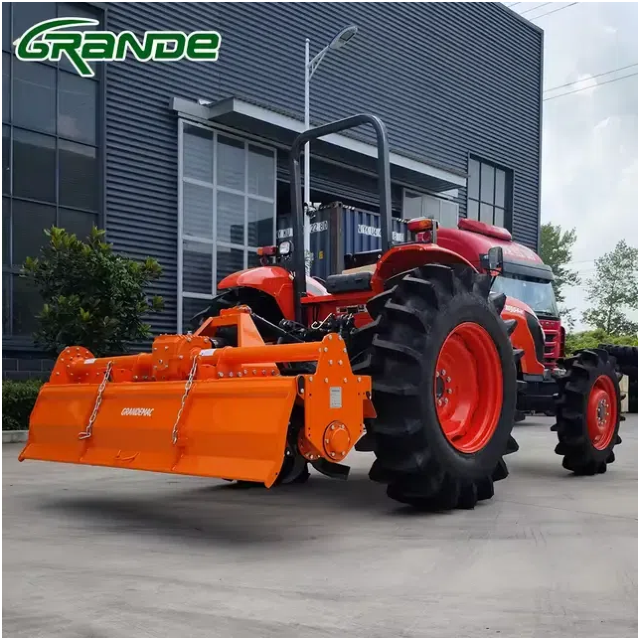
Proper soil management is the backbone of high-yield, sustainable farming, and using the right equipment is key. At Jiangsu Grande Machinery Manufacturing Co., Ltd., our rotary cultivators are designed to optimize land preparation while maintaining soil health. This guide explores how to use rotary cultivators effectively, when to till, and how to preserve or even improve soil structure to support productive crops.
When Should You (or Shouldn’t You) Till?
Tillage is a powerful tool in crop management, but timing and objectives matter. Using a rotary cultivator without a clear purpose can damage soil structure, reduce organic matter, and increase erosion risks. Understanding when to till helps achieve maximum benefits while protecting long-term soil health.
Primary Goals: Seedbed Preparation, Residue Incorporation, Weed Control
A rotary cultivator excels at creating an optimal seedbed for planting. By breaking up clods and leveling soil, it improves seed-to-soil contact, enhancing germination and early growth. In addition, incorporating crop residues into the soil provides essential nutrients and reduces disease pressure in subsequent crops. Rotary tillers are also effective for mechanical weed control, reducing competition for nutrients and sunlight. When used with intention, tillage can boost soil aeration, drainage, and overall productivity.
Risks of Over-Tilling and Compaction; Alternatives to Frequent Deep Tillage
Frequent or excessively deep tillage can lead to soil compaction, disrupt beneficial microbial activity, and deplete organic matter. Over-tilling also increases erosion risk, particularly on sloped lands. Alternatives include shallow cultivation, no-till or reduced-till methods, and cover cropping. These practices maintain structure, preserve moisture, and encourage healthy soil biota while still supporting good crop establishment. Using a rotary cultivator selectively—rather than on every field and every season—reduces these risks significantly.
Proper Settings and Technique for Healthy Soil
Achieving the full benefits of a rotary cultivator depends on correct settings and careful operation. Proper depth, speed, and pass strategies ensure even work while protecting soil structure.
Recommended Depth Ranges for Common Crops
As a general rule, tilling depth varies by crop type and soil condition. Light tillage between 5–10 cm is suitable for small-seeded crops, while medium to deeper tillage (10–15 cm) works well for larger crops such as maize or sorghum. Excessive depth can disturb soil horizons, reduce water-holding capacity, and harm soil microbes. For fields with compacted layers, specialized deep-loosening rotary cultivators can selectively target subsoil compaction without overworking the surface.
Forward Speed, PTO Speed, and Tine Engagement
The rotary cultivator’s forward speed and PTO (power take-off) settings must match soil conditions and implement type. Too fast can leave clods, while too slow increases fuel consumption and soil disturbance. Tine engagement should be adjusted to maintain uniform soil mixing and avoid uneven soil disturbance. Ensuring even operation not only improves seedbed quality but also maintains microbial balance and organic matter distribution.
Pass Strategy: Number of Passes, Overlap, Finishing Passes
Multiple shallow passes are often better than one deep pass, especially in delicate or high-moisture soils. Overlapping passes slightly ensures complete coverage, while finishing passes can refine surface texture without disturbing deeper layers. Planning pass strategy carefully reduces compaction, improves residue mixing, and promotes long-term soil health.
Managing Residue and Adding Organic Matter
Residue management is a key part of soil sustainability. Rotary cultivators help integrate crop residues and organic amendments into the soil, supporting microbial activity and nutrient cycling.
How to Mix Compost, Manure, and Cover Crop Residues
Adding compost or well-decomposed manure improves soil fertility and structure. Cover crop residues can be incorporated directly after mowing or left on the surface as mulch, depending on crop needs. Timing is critical: incorporating residues too early may lead to nitrogen immobilization, while leaving them on the surface too long can slow decomposition. Rotary cultivators allow flexible residue management, helping farmers optimize nutrient cycling and maintain a healthy soil environment.
Accelerating Residue Breakdown Without Harming Microbes
Rotary tillers can speed up residue decomposition by evenly mixing organic matter into the topsoil, creating favorable conditions for microbial activity. Adjusting tiller speed, depth, and pass frequency prevents excessive soil disturbance, ensuring that beneficial microbes are not disrupted. This approach improves nutrient availability for subsequent crops while maintaining a thriving soil ecosystem.
Using Deep-Loosening/Compaction Solutions Correctly
Soil compaction reduces root growth, water infiltration, and nutrient uptake. Targeted deep-loosening rotary cultivators offer solutions without damaging topsoil or over-tilling.
Identifying Compaction and Using Deep-Loosening Models Selectively
Compacted soil often shows symptoms such as poor seed emergence, water runoff, or shallow root systems. Deep-loosening models penetrate subsoil layers to alleviate compaction while leaving the upper soil relatively undisturbed. Using these implements selectively, rather than across all fields, maximizes effectiveness while minimizing disruption to soil structure.
Complementary Practices: Controlled Traffic and Crop Rotation
Controlled traffic systems reduce repeated tractor passes over the same area, preventing compaction. Crop rotation introduces diverse root structures that naturally aerate soil and improve nutrient cycling. When combined with a rotary cultivator, these practices optimize soil conditions, reduce compaction risks, and support sustainable yields.
Soil-Type Scenarios: Clay, Loam, Sandy Soils
Soil texture significantly influences tillage strategy. Tailoring rotary cultivator use to soil type ensures effective cultivation without causing damage.
Clay Soils: Avoid Overly Wet Tilling; Amend With Organic Matter or Sand
Clay soils are prone to compaction and poor drainage. Avoid tilling when wet, as this can smear soil and create hard pans. Incorporating organic amendments or sand can improve structure and water movement. Light, controlled passes with a rotary cultivator help maintain soil aeration while improving seedbed quality.
Sandy Soils: Avoid Excessive Passes That Reduce Structure
Sandy soils drain quickly but have low cohesion. Excessive tillage can reduce structure and increase erosion risk. Limiting passes and using organic residues for surface cover helps maintain stability. Rotary cultivators, when properly adjusted, can lightly mix the soil while preserving its natural structure and nutrient content.
Environmental & Sustainability Considerations
Modern agriculture increasingly emphasizes sustainability. Rotary cultivators can fit into integrated systems that reduce environmental impact while maintaining productivity.
When Reduced-Till or Conservation Practices Are Better
In fragile ecosystems, reduced-till or no-till systems minimize soil erosion, protect moisture, and promote biodiversity. Rotary cultivators can still play a role in conservation agriculture by performing selective, shallow tillage to manage residues or prepare seedbeds without compromising soil integrity.
Integrating Rotary Cultivators Into Sustainable Farming Systems
By using rotary cultivators strategically, farmers can balance soil health, crop productivity, and environmental sustainability. Proper timing, depth, and residue management allow tillage to support natural nutrient cycles, reduce erosion, and maintain long-term soil fertility.
Conclusion
Rotary cultivators from Jiangsu Grande Machinery Manufacturing Co., Ltd. provide versatile, efficient, and soil-friendly solutions for modern farming. When used with purpose—matching tilling depth, speed, and pass strategy to soil type—they improve seedbed quality, incorporate organic matter, and support healthy microbial ecosystems. Deep-loosening models and proper residue management further enhance soil structure without over-tilling. For sustainable, productive agriculture, contact us to explore the full range of rotary cultivators tailored to your land and crop needs.


