Introduction
The agricultural industry is evolving rapidly. As farmers seek more efficient solutions, rotary cultivators are taking center stage. These powerful machines are transforming soil tillage, offering speed, precision, and improved productivity.
In this article, we’ll explore why rotary cultivators are becoming essential for farms of all sizes. We’ll discuss their key benefits, how they support sustainable farming, and their role in enhancing productivity. You’ll also learn how products like Grandemac’s rotary cultivators are helping farmers optimize operations and improve soil health, whether on small farms or large commercial enterprises.
The Shift from Manual to Mechanized Farming
Mechanization is a key factor in modern farming. It allows for more efficient farming practices, which is essential for increasing productivity. Rotary cultivators exemplify this shift by making soil preparation faster and more consistent.
The Impact of Mechanization on Small Farms
Rotary cultivators have become essential tools for small farms, offering several benefits that increase efficiency and productivity.
● Improved Soil Preparation: These machines help break up compacted soil, improving aeration and water retention, which is essential for plant growth.
● Reduced Time and Labor Costs: Instead of spending hours or even days preparing the soil manually, farmers can now perform multiple tasks in a single pass. Rotary cultivators can plow, crush soil, and level the ground simultaneously, significantly reducing labor.
Example: Small farms can benefit from compact rotary tillers that can be paired with tractors as small as 18 HP, making them suitable for smaller operations.
Benefit | Traditional Manual Method | Rotary Cultivator |
Soil Preparation Time | Hours or Days | Single Pass |
Labor Cost | High | Reduced |
Soil Aeration | Limited | Enhanced |
Water Retention | Poor | Improved |
The Role of Rotary Cultivators in Large-Scale Operations
For large farming operations, rotary cultivators are vital for maintaining soil health and achieving consistency in soil preparation.
● Consistency in Soil Preparation: Rotary tillers ensure uniformity in seedbed preparation, which improves seed-to-soil contact for more reliable crop growth.
● Efficiency for Large-Scale Planting and Harvesting: Rotary cultivators work with various farm sizes and can be used in large-scale operations for a wide range of crops.
Example: Heavy-duty rotary cultivators work well with tractors over 60 HP and are ideal for large farms dealing with clay-rich soils, ensuring high efficiency in large-scale operations.
Factor | Traditional Methods | Rotary Cultivators |
Consistency in Soil Preparation | Varies by Operator | Uniform |
Efficiency in Planting and Harvesting | Requires Multiple Passes | One Pass |
Suitability for Large Farms | Limited | Ideal for Large Scale |
Environmental and Economic Benefits of Rotary Cultivators
Rotary cultivators are not just about efficiency; they also offer significant environmental and economic benefits.
Sustainability and Soil Health
Rotary cultivators play a crucial role in maintaining soil health. By reducing soil compaction and improving aeration, these machines help improve the soil structure, which is essential for plant roots to access water and nutrients.
● Soil Health and Water Retention: The adjustable tilling depths (8-20 cm) allow for optimal soil conditions tailored to different soil types, improving water retention and reducing erosion.
Economic Impact on Small and Large Farms
From an economic standpoint, rotary cultivators help farmers save on fuel and labor costs. By performing multiple tasks in one pass, these machines reduce fuel consumption and time spent on fieldwork.
● Cost Savings: The fuel-efficient operation reduces operational costs for both small and large farms, contributing to a better return on investment (ROI).
● Long-Term ROI: With reduced labor and fuel costs, rotary cultivators offer long-term savings, making them a worthwhile investment for sustainable farming.
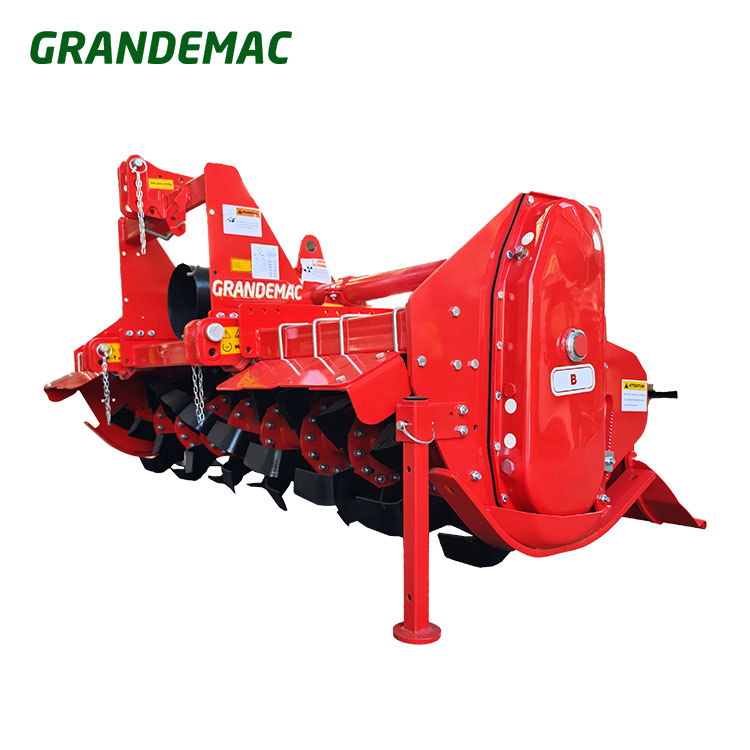
The Versatility of Rotary Cultivators
Rotary cultivators are versatile and adaptable to various farm sizes and soil types. From small gardens to large fields, these machines cater to diverse agricultural needs. By offering adjustable features and flexibility, rotary cultivators ensure that farmers can optimize soil preparation regardless of the farming scale or the type of soil.
Customization for Different Farming Needs
Rotary cultivators come with adjustable features, allowing for flexibility in their use.
Tailored Tilling Depths
Farmers can adjust the tilling depth depending on the soil type and the crop being cultivated. This is especially helpful for crops like rice, corn, or vegetables that require different soil preparation methods. With adjustable tilling depths, rotary cultivators provide optimal soil conditions for diverse crops, improving growth and yield.
Handling Various Soil Types
Rotary cultivators can efficiently work in sandy, loamy, or clay soils, making them versatile for different agricultural settings. These machines can also adjust for varying moisture levels and soil compaction, making them suitable for a wide range of terrains.
Adaptable for Various Terrains
Whether it’s paddy fields, dry lands, or orchards, rotary tillers are capable of tackling diverse farming environments. The adaptability of these machines makes them suitable for farms in varying climates and soil conditions, ensuring optimal soil preparation across different types of crops and terrains.
Technological Advancements in Rotary Cultivators
Recent technological innovations in rotary cultivators have brought about significant improvements, making them more efficient and precise.
Smart Farming: The Role of Technology in Rotary Tillage
Many modern rotary cultivators are integrated with advanced technologies like GPS systems and sensors, allowing for precise control over soil tillage. These features enable real-time adjustments based on soil conditions, optimizing field coverage.
● Precision Tillage: Sensors and GPS allow for accurate adjustments to tilling depth and speed, ensuring that soil is worked to the ideal level for optimal crop growth.
The Future of Autonomous Rotary Cultivators
The future of rotary cultivators is heading towards full automation. Autonomous rotary tillers, powered by AI and robotic technology, are expected to revolutionize farming by reducing human labor and increasing operational efficiency.
● Enhanced Productivity and Sustainability: Autonomous machines will allow farmers to improve precision, reduce labor costs, and boost overall productivity while preserving soil health.
Rotary Cultivators: A Universal Solution for Every Farm
Rotary cultivators are proving to be a universal solution for farms of all sizes, from small family-run operations to large commercial enterprises.
How Rotary Cultivators Support Regenerative and Conservation Agriculture
Rotary cultivators play an integral role in promoting sustainable farming practices such as conservation tillage. These methods help preserve soil structure, reduce erosion, and improve water retention.
● Environmental Benefits: Rotary cultivators support regenerative agriculture by improving soil fertility and promoting biodiversity, making them an essential tool in sustainable farming.
A Tool for All Farm Types: Flexibility in Operation
Rotary tillers can be used in a variety of agricultural settings, from home gardens to expansive agricultural estates.
● Versatility Across Farming Systems: Whether you're growing vegetables, grains, or cash crops, rotary cultivators provide the necessary flexibility to work in various farming conditions.
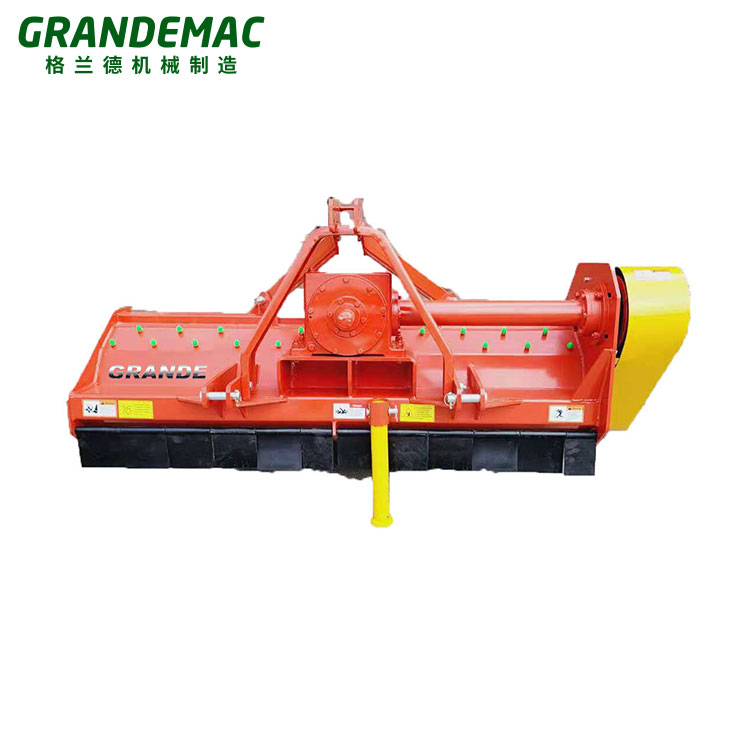
Growing Demand for Rotary Cultivators in Emerging Markets
As agriculture becomes more mechanized worldwide, the demand for rotary cultivators is increasing in emerging markets.
● Global Expansion of Rotary Cultivators: Farmers in countries with developing agricultural industries are increasingly recognizing the efficiency and versatility of rotary tillers, leading to their rapid adoption.
Overcoming Barriers in Emerging Markets
While rotary cultivators are gaining traction, there are still barriers in many regions, including access to affordable models and proper training for usage.
● Training and Support: Providing training for farmers in emerging markets is crucial to ensure that they can make the most of rotary cultivators.
The Economic Implications for Both Small and Large Farms
Rotary cultivators provide clear economic advantages by helping farms of all sizes cut down on labor and fuel costs.
● Long-Term ROI: Farmers investing in rotary tillers can see long-term savings by reducing operational costs, enhancing soil health, and increasing productivity.
Investing in Rotary Cultivators: A Cost-Effective Solution
For both small and large-scale operations, investing in rotary tillers results in improved productivity, better resource management, and sustainable farming practices that yield long-term economic benefits.
Conclusion
Rotary cultivators are revolutionizing agriculture by boosting productivity, reducing labor, and improving soil health. These machines are essential for both small farms and large enterprises. As technology advances, rotary cultivators, such as those from Grandemac, become more efficient, eco-friendly, and adaptable, securing their position as a universal solution for farms of all sizes.
FAQ
Q: What are rotary cultivators and why are they important for modern farming?
A: Rotary cultivators are agricultural machines that help prepare the soil for planting by rotating blades that break up and mix the soil. They are important for modern farming because they increase efficiency, reduce labor costs, and improve soil health, making them essential for both small farms and large commercial enterprises.
Q: How do rotary cultivators benefit small farms?
A: Rotary cultivators provide small farms with efficient soil preparation, reducing time and labor costs. They allow small-scale farmers to work more quickly and effectively, improving soil aeration, water retention, and overall crop health, which boosts productivity.
Q: Can rotary cultivators be used on large-scale farms?
A: Yes, rotary cultivators are ideal for large-scale farming operations. They can handle large areas quickly and efficiently, ensuring consistent soil preparation, which is crucial for large-scale planting and harvesting. These machines are also customizable to fit various tractor sizes, making them adaptable for large farms.
Q: How do rotary cultivators improve soil health?
A: Rotary cultivators improve soil health by breaking up compacted soil, promoting better aeration, and incorporating organic material into the soil. This improves water retention, nutrient availability, and root growth, which leads to healthier crops and higher yields.


