Managing expansive outdoor spaces requires serious equipment. The landscape of outdoor power tools is rapidly changing today. Many manufacturers now push battery platforms and automation. Property owners face a tough choice when managing areas over half an acre. You must balance new battery technologies against the brute-force reliability of traditional gas engines. Finding the right tool prevents wasted hours and endless frustration.
Electric options boast quiet operation and lower daily maintenance. However, large acreage often brings unpredictable terrain and dense vegetation. These harsh conditions quickly test the limits of modern battery packs. Traditional engines have decades of proven field testing. They offer unyielding power when facing heavy spring growth. We will explore how scale and terrain complexity dictate your equipment needs. You will discover objective criteria to evaluate different mowers. Ultimately, we will help you decide if a traditional gas setup remains your most efficient solution.
Key Takeaways
Runtime & Refueling: Gas remains the gold standard for uninterrupted, multi-acre mowing due to instant refueling capabilities.
Raw Power/Torque: For dense, overgrown, or damp grass, gas engines currently provide superior sustained torque without rapid energy depletion.
Maintenance Trade-offs: Gas requires consistent mechanical upkeep (oil, filters, carburetors), whereas battery/robotic options shift the cost to high-ticket battery replacements.
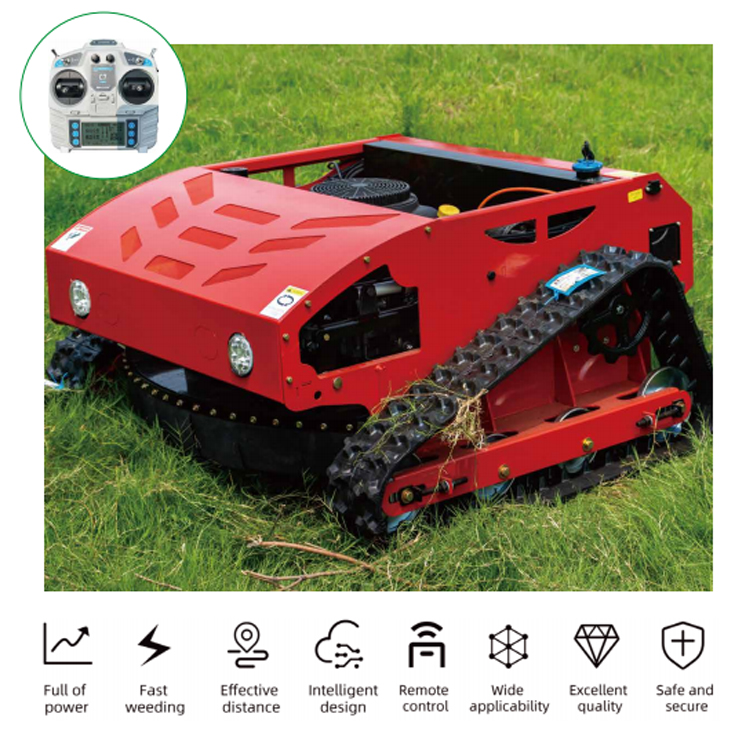
The Automation Factor: A robotic lawn mower is viable for large, flat areas but requires upfront infrastructure (boundary wires, charging stations) and frequent, incremental cutting rather than bulk clearing.
Defining the Challenge: What Constitutes a "Large" Grass Cutting Area?
Evaluating mowing equipment requires a clear understanding of your property scale. A small suburban lawn presents entirely different challenges than a sprawling rural estate. We categorize grass-cutting areas into specific acreage thresholds. Each tier demands a different class of machinery. You must match the tool to the territory to ensure efficiency.
Acreage Thresholds and Equipment Classes
Property sizes dictate the fundamental design of your ideal mower. Pushing a standard walk-behind mower across massive spaces quickly becomes physically exhausting. You lose valuable weekend hours to an underpowered machine.
0.5 to 1 Acre: This is the transitional zone. A heavy-duty push mower can handle this space. However, many homeowners upgrade to small rear-engine riding mowers or wide-area walk-behind units. This saves time and reduces fatigue.
1 to 3 Acres: You have officially entered large-scale territory. Walk-behind mowers are no longer practical here. You need a dedicated riding mower or a residential zero-turn mower. These machines offer wider cutting decks. They drastically reduce your total cutting time.
3+ Acres: Properties of this size demand commercial-grade equipment. You require heavy-duty zero-turn mowers or compact tractors. Standard residential equipment will wear out prematurely under this workload.
Terrain Complexity Matters
Acreage is only half the equation. You must also evaluate your terrain. Flat, unobstructed land is easy to mow. Slopes, ruts, and obstacles change everything. Uneven ground requires robust transmissions and excellent traction. Slopes demand low centers of gravity to prevent dangerous rollovers.
Ruts and divots punish mowing decks. A fragile mower will suffer bent blades or damaged spindles. If your property features numerous trees, garden beds, or outbuildings, you need superior maneuverability. Zero-turn mowers excel in tight spaces. Traditional lawn tractors struggle with sharp corners. You must audit your landscape carefully before making a purchase.
Grass Density & Overgrowth Variables
Not all grass requires the same amount of power. A weekly manicured lawn presents a light load. You only cut a small fraction of the grass blade. Conversely, rural properties often endure infrequent mowing schedules. You might tackle field grass, dense clover, or thick weeds.
Infrequent mowing allows vegetation to thicken. This creates massive resistance against your mower blades. High-torque setups become essential here. If you push an underpowered machine through dense overgrowth, the engine will stall. We will explore how different power sources handle these extreme density spikes.
Where the Gasoline Lawnmower Still Dominates (The Case for Gas)
Despite rapid advancements in battery technology, internal combustion engines hold distinct advantages. Heavy-duty applications highlight the strengths of gas power. You cannot fake raw torque. When conditions turn harsh, gas engines prove their worth.
Continuous Operation Without Downtime
Time is your most valuable resource. Large properties take hours to cut. Gas mowers provide true continuous operation. When a gas tank runs dry, you simply refill it. The entire refueling process takes less than two minutes. You immediately return to cutting grass.
Battery platforms struggle with sustained runtime on large acreages. A heavy load drains batteries rapidly. Once depleted, large lithium-ion packs require hours to recharge. You must purchase multiple expensive backup batteries to match the nonstop workflow of a simple jerrycan. Gas gives you portable, instant energy.
Sustained Torque in Adverse Conditions
Grass is rarely perfectly dry and thin. Morning dew, spring rain, and shaded areas leave grass damp. Wet grass is incredibly heavy. It clumps together and creates massive drag on mower blades. This drag requires immense torque to overcome.
Gas engines feature mechanical governors. When blades hit dense, wet patches, the governor automatically opens the throttle. It dumps more fuel into the cylinder. The engine roars louder and powers through the resistance. It maintains the necessary RPMs to eject the heavy clippings. Electric equivalents often suffer in these conditions. Thick grass pulls too much amperage. Electric control boards trigger thermal shutdowns to prevent wire melting. The gas engine simply works harder.
Handling Extreme Clearing Scenarios
Some properties feature overgrown fence lines, woody brush, and neglected pastures. A standard lawn deck cannot survive these conditions. Standard mower blades will shatter against thick saplings. You need specialized clearing equipment.
In these extreme scenarios, a gas-powered brush cutter mower is absolutely non-negotiable. These rugged machines utilize massive gas engines and heavy stump-jumper blades. They demolish tall weeds, thick brambles, and small trees. Electric brush cutters currently lack the sustained raw power required for heavy agricultural clearing. Gas remains the only viable choice for reclaiming wild land.
Commercial-Grade Durability
Professional landscapers rely on gas engines for a reason. Brands like Kawasaki, Honda, and Kohler build engines for brutal environments. These commercial engines feature cast-iron cylinder sleeves. They utilize dual-element air filters to block fine dust. They incorporate pressurized lubrication systems.
A well-maintained commercial gas engine easily runs for thousands of hours. Residential users who buy commercial-grade gas equipment often keep it for decades. They offer a level of proven, long-term physical durability. Electric platforms are still proving their longevity in extreme 10-year use cases.
Common Mistake: Many buyers purchase residential-grade gas mowers for 3-acre properties. The lighter transmissions and smaller engines burn out quickly. Always match the commercial grade of the equipment to the scale of your land.
Evaluating the Alternatives for Large Properties
We must objectively look at the alternatives. Gas is powerful, but it requires regular maintenance. You must change oil, replace spark plugs, and clean carburetors. The outdoor power equipment industry offers compelling new technologies. Let us examine the heavy-duty electric and automated options.
High-Voltage Electric Riding Mowers
Lithium-ion zero-turn mowers are gaining popularity. They offer distinct user benefits. You get immediate torque at the blades. There are no belts to slip or carburetors to clog. Furthermore, the noise reduction is significant. You can mow early in the morning without waking neighbors.
However, you must consider the drawbacks for large acreage. High-capacity battery packs perform well initially. Over time, battery cells degrade. By year four or six, you might notice a substantial drop in runtime. Replacing a massive electric zero-turn battery pack is incredibly expensive. You face a significant maintenance hurdle down the road.
What to watch out for: Beware of extreme heat. Mowing a massive property in 95-degree summer heat stresses lithium batteries. Many units will slow their blade speeds to manage thermal limits.
The Robotic Lawn Mower Solution
Automation represents the ultimate labor-saving alternative. You entirely remove yourself from the physical mowing process. A robotic lawn mower quietly roams your property. It cuts the grass incrementally every single day. This constant micro-mulching returns vital nutrients to your soil.
There are significant pros to automation. You gain back your entire weekend. Your lawn always looks freshly cut. Modern units even use RTK GPS technology, eliminating the need for buried perimeter wires. They mow in perfect, efficient stripes.
Yet, robots have clear limitations on large estates. They require extensive initial setup. They are vulnerable to theft if your property lacks secure fencing. Most importantly, they cannot handle heavy seasonal overgrowth. If you leave your property for a month, a robot cannot cut through 12 inches of thick field grass. They maintain grass; they do not clear it.
Equipment Suitability by Property Profile
Property Profile
Best Equipment Type
Primary Advantage
Key Limitation
1-3 Acres, Flat, Clean
High-Voltage Electric ZTR
Low noise, zero emissions, immediate torque.
Struggles with sustained heavy loads; thermal limits.
2+ Acres, Hilly, Rough
Traditional Gasoline ZTR
Continuous power, fast refueling, heavy-duty frames.
Requires regular engine and fuel system maintenance.
Overgrown Pastures/Woods
Tow-Behind Brush Cutter
Clears thick brush and saplings effortlessly.
Single-purpose tool; requires towing vehicle.
1-2 Acres, Fenced, Manicured
Automated GPS Robot
Zero manual labor, excellent soil health benefits.
Cannot handle overgrowth; high upfront setup.
Decision Framework: Which Equipment Setup Fits Your Property?
Choosing the right machine requires a structured approach. You must map your specific property conditions to the equipment's capabilities. We have created three common scenarios. Find the one that best matches your land.
Scenario A: 1-3 Acres, Flat, Manicured Weekly
Your property looks like a golf course. You never let the grass grow too high. The ground is relatively smooth without major ruts. In this scenario, high-end electric riding mowers shine. They handle light, consistent cutting beautifully.
If your upfront budget allows, you might also deploy a heavy-duty robot. You prioritize labor reduction above all else. You avoid the noise and smell of gas. Because the terrain is forgiving, electric platforms will easily meet your demands.
Your property is challenging. You have rolling hills. You often skip a week of mowing due to rain or busy schedules. When you finally mow, the grass is thick and daunting.
Here, a heavy-duty riding gasoline lawnmower remains the most reliable choice. The gas engine will power through the thick, delayed growth. The robust transmission will handle the uneven terrain without overheating. You get the job done quickly and efficiently. You avoid the frustration of battery thermal throttling.
Scenario C: Rural, Brush-Heavy, or Mixed Terrain
You own a large rural estate. The property features a mix of standard lawn near the house and wild pastures near the perimeter. You deal with rocks, saplings, and heavy weeds.
This scenario requires a multi-tool approach. A single machine will fail. You need a reliable gas tractor for the primary lawn areas. Additionally, you must invest in a tow-behind brush cutter for the perimeter. This combination ensures you have the finesse for the lawn and the brute force for the wilderness.
Shortlisting Next Steps
Before you spend thousands of dollars, take actionable steps. First, audit your property's slope grade. If your hills exceed 15 degrees, you must look at specific low-center-of-gravity machines. Next, calculate your available mowing time. If you only have two hours on a Saturday, you need the widest deck possible.
Finally, check your local dealership support. Buying a machine online is easy. Fixing it is hard. Ensure you have a local dealer who stocks parts and services your specific brand. Good dealer support turns a frustrating breakdown into a minor inconvenience.
Conclusion
Managing large acreage demands respect for the terrain and the grass. We have explored the limits of modern mowing technology. Electric and robotic alternatives are rapidly advancing. They offer incredible convenience for flat, frequently maintained properties. However, real-world landscapes are rarely perfect. They feature wet spots, overgrown patches, and steep inclines.
A high-quality gas engine still provides the most versatile, resilient power. It offers predictable performance in unpredictable conditions. You can refuel instantly and muscle through thick brush without waiting for a battery to cool down. Assess your land carefully using the frameworks provided. Consult a local dealer to physically test these machines. Make your choice based on your most difficult mowing day, not your easiest.
FAQ
Q: Is it cheaper to run a gas or electric mower on a 2-acre lot?
A: Electricity is cheaper than liquid fuel on a per-mow basis. You will save money weekly with an electric unit. However, the crossover point occurs when the electric mower requires a battery replacement. High-capacity lithium packs cost hundreds or thousands of dollars. Over a 7-year span, battery replacement costs often offset the initial fuel savings completely.
Q: Can a robotic lawn mower handle steep hills on a large property?
A: Standard robotic mowers struggle on steep hills. They lack the weight and traction to navigate inclines over 20 degrees safely. They easily slip on wet grass. Some advanced All-Wheel Drive (AWD) robotic models handle up to 35-degree slopes, but they are expensive. Always check the manufacturer's maximum slope-grade rating before purchasing.
Q: How do I prevent ethanol damage in my gasoline lawnmower if I only mow bi-weekly?
A: Ethanol blends attract moisture, which corrodes carburetors during sitting periods. To prevent this, always purchase ethanol-free recreational fuel if available. If you must use standard pump gas, add a high-quality fuel stabilizer immediately after filling your can. Keep your fuel fresh and never store untreated gas in the mower over winter.
Q: When should I upgrade to a brush cutter mower instead of a standard gas mower?
A: You should upgrade when vegetation routinely exceeds 8 to 10 inches or includes woody material. Standard mower decks are designed for turf grass. They utilize thin blades that bend or break when striking hidden rocks, thick saplings, or dense brambles. A brush cutter features heavy-duty stump jumpers to safely demolish harsh overgrowth.