Introduction
As agricultural practices evolve, the need for sustainable solutions grows. Can rotary cultivators be the future of eco-friendly farming? These machines are revolutionizing soil preparation while helping preserve the environment.
In this article, we will explore the role of rotary cultivators in sustainable farming and environmental preservation. We’ll look at how rotary cultivators improve soil health, reduce environmental impact, and increase crop yields.
You will also discover how high-quality rotary cultivators, like those from Grandemac, provide farmers with efficient, eco-friendly solutions that maximize productivity while maintaining soil integrity.
The Environmental Impact of Traditional Tillage Practices
Soil Erosion and Compaction
Traditional plowing methods can lead to significant soil erosion, particularly in areas with exposed soil. These methods often involve multiple passes over the land, leaving the soil vulnerable to wind and water erosion. As soil is repeatedly disturbed, it becomes more prone to compacting, which decreases its ability to absorb and retain water. This results in reduced water infiltration, making it harder for plants to access water, especially during dry spells.
Compacted soil also limits root growth, hindering plants from reaching nutrients and minerals essential for healthy development. Over time, this leads to a decline in soil fertility and an increase in susceptibility to erosion. The continuous cycle of soil degradation not only affects the immediate farming area but also contributes to broader environmental problems, such as sedimentation in nearby rivers and streams.
Rotary cultivators help mitigate these issues by preparing the soil more gently. Their design allows for precise, less disruptive tilling that reduces the likelihood of soil erosion. The adjustable tilling depth also promotes healthier soil structures that retain moisture better, which is crucial for crops to thrive. By preserving soil integrity, rotary cultivators encourage long-term soil health, making them a sustainable alternative to traditional plowing methods.
Factor | Traditional Tillage | Rotary Cultivators |
Soil Erosion | High, due to exposed soil | Low, due to minimized soil disturbance |
Soil Compaction | Increases over time | Reduces compaction by loosening soil |
Water Infiltration | Poor, as soil is compacted | Better, due to aerated soil |
Root Growth | Limited due to compacted soil | Facilitated by improved soil structure |
Excessive Fuel Consumption
Traditional tilling methods are notorious for consuming large amounts of fuel. Multiple passes with heavy machinery are required to till and prepare the soil, resulting in high fuel usage. This not only increases operational costs for farmers but also contributes to higher carbon emissions, making these methods less environmentally sustainable.
The excessive use of fuel also affects the profitability of farming, particularly for small and mid-sized farms where operating costs can quickly spiral. Additionally, the environmental toll of increased fuel consumption exacerbates climate change, as it adds to the overall carbon footprint of agricultural practices.
Modern rotary cultivators are designed with fuel efficiency in mind, reducing the need for multiple field operations. These machines are capable of performing several tasks in a single pass, such as plowing, soil crushing, and leveling. This streamlined process helps farmers save fuel while achieving optimal soil preparation. By using less fuel, rotary cultivators not only reduce operational costs but also lessen the overall environmental impact of farming practices.
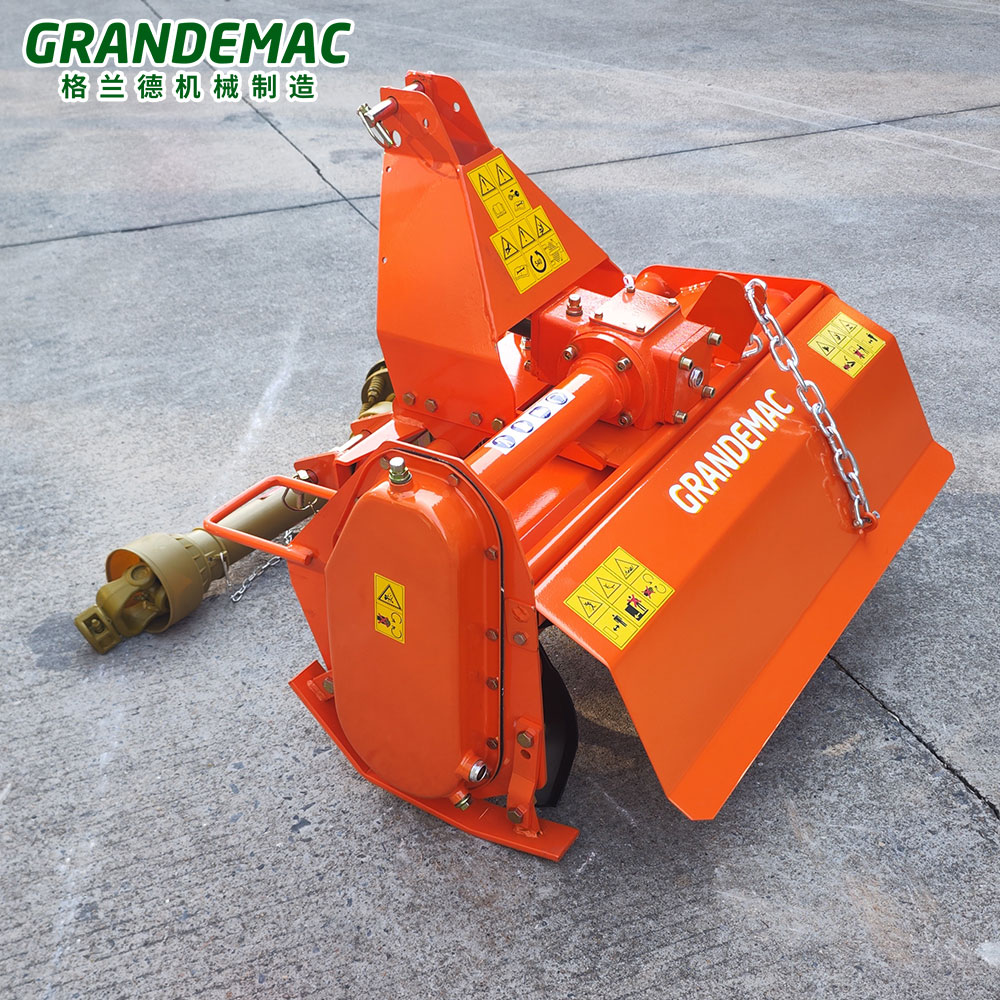
The Role of Rotary Cultivators in Sustainable Agriculture
Reduced Soil Erosion
One of the key benefits of rotary cultivators is their ability to reduce soil erosion. Unlike traditional plowing methods, which leave the soil exposed and vulnerable, rotary cultivators work in a way that minimizes soil disturbance. They break up compacted soil and incorporate organic material back into the topsoil, which helps form a protective layer on the surface.
This layer acts as a shield against wind and water erosion, making the soil more resistant to external forces. Moreover, the gentle action of rotary tillers reduces the chances of creating gullies or deep furrows that can exacerbate erosion. With adjustable tilling depths, these machines ensure the soil is prepared with minimal disruption, maintaining its structural integrity.
Improved Soil Structure
Rotary cultivators are designed to improve the structure of the soil by breaking up compacted areas and promoting better aeration. By loosening the soil, these machines allow water to permeate more easily, which is crucial for plant roots. Improved soil structure enhances the soil's ability to retain moisture and nutrients, which directly benefits crop growth.
This enhanced soil structure also facilitates root expansion, allowing plants to access a wider range of nutrients, resulting in healthier crops and higher yields. The durability of modern rotary cultivators ensures they remain effective in various soil types, from sandy soils to heavier clay-based ones. This reliability makes them a long-lasting solution for improving soil health.
Organic Matter Incorporation
Rotary cultivators also play a critical role in incorporating organic matter into the soil. As these machines till the land, they mix compost, plant residue, and other organic materials back into the topsoil. This process not only replenishes the soil with vital nutrients but also fosters natural nutrient cycling, which reduces the need for synthetic fertilizers.
By promoting the decomposition of organic material, rotary cultivators help create a fertile, nutrient-rich environment that supports healthy plant growth. This is particularly important for sustainable farming practices, as it reduces the reliance on chemical inputs, which can have negative long-term effects on the environment and soil health.
The ability to enrich the soil through the inclusion of organic material is a key factor in long-term soil fertility. By using advanced rotary cultivators, farmers can build and maintain fertile soils that support healthy crops year after year, all while reducing their environmental impact.
Benefit | Traditional Tillage | Rotary Cultivators |
Organic Matter Mixing | Limited, surface-level | Thorough, evenly distributed |
Nutrient Cycling | Slower, less efficient | Promotes faster nutrient cycling |
Fertility Build-Up | Requires chemical inputs | Reduces need for synthetic fertilizers |
Enhancing Sustainability with Rotary Cultivators
Fuel Efficiency and Reduced Energy Consumption
Fuel efficiency is increasingly important in modern farming, both for economic and environmental reasons. Rotary cultivators are designed to be more fuel-efficient than traditional tilling methods, reducing the number of passes required and minimizing fuel consumption. With efficient PTO transmissions and compact designs, modern cultivators help farmers reduce operational costs while also decreasing their carbon footprint.
Precision in Weed Control
Rotary cultivators are also beneficial for weed control. They can uproot weeds while simultaneously aerating the soil, reducing the need for chemical herbicides. This is a significant advantage for sustainable farming, as it lowers the reliance on chemicals that can harm the environment. By ensuring better soil health and promoting biodiversity, rotary tillers help farmers reduce their ecological impact.
Technological Innovations in Rotary Cultivators
GPS and Smart Technology Integration
Modern rotary cultivators incorporate advanced technologies such as GPS systems and sensors. These tools help farmers monitor soil conditions in real-time, allowing them to make precise adjustments to tilling depth and blade speed. This level of precision not only maximizes efficiency but also reduces unnecessary soil disturbance, further promoting sustainability in farming practices.
Autonomous Features and Automation
Looking ahead, rotary cultivators are expected to incorporate more autonomous features. These autonomous systems can perform tasks without human intervention, making farming operations more efficient and reducing labor costs. By using AI to optimize tilling depth, speed, and other variables, rotary cultivators will become even more effective in preserving soil health and minimizing environmental impact.
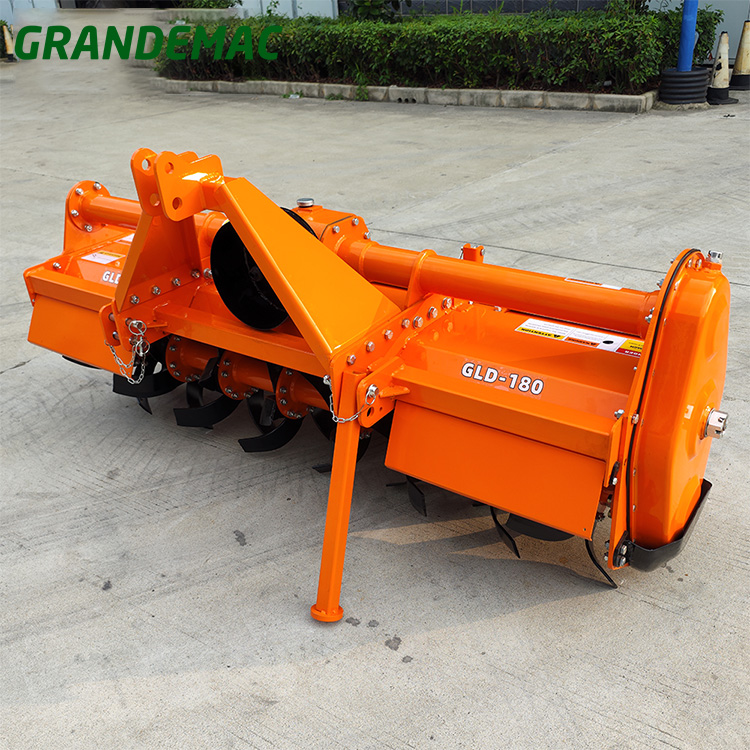
Real-World Examples of Rotary Cultivators in Sustainable Farming
Case Study 1: Organic Farms
Organic farms have increasingly adopted rotary cultivators to prepare soil without relying on harmful chemicals. These machines help maintain soil health by reducing soil compaction and erosion while promoting nutrient cycling. Rotary cultivators are particularly effective in organic farming, providing reliable and eco-friendly soil preparation solutions.
Case Study 2: Large-Scale Sustainable Operations
In large-scale farming, rotary cultivators help reduce labor costs and fuel consumption by performing multiple tasks in a single pass. These cultivators have been praised for their versatility and efficiency in large-scale operations, allowing farmers to prepare fields quickly while maintaining sustainability. Their adaptability to various terrains, such as paddy fields and orchards, makes them a perfect fit for diverse farming operations.
The Economic Benefits of Using Rotary Cultivators
Long-Term Cost Savings
Although the initial investment in rotary cultivators might be higher than traditional tilling equipment, the long-term savings are substantial. These machines help reduce labor and fuel costs while improving soil health, which leads to higher crop yields. Over time, rotary cultivators provide a high return on investment by improving both productivity and sustainability.
Return on Investment for Sustainable Practices
Farmers who adopt rotary cultivators often see a significant return on investment. Not only do these machines reduce operating costs, but they also promote sustainable practices that align with increasing environmental regulations and consumer demand for eco-friendly products. Rotary cultivators are a wise investment for farmers looking to enhance both their environmental and economic sustainability.
Conclusion
Rotary cultivators are transforming sustainable farming by improving soil health, reducing erosion, and lowering fuel consumption. These machines enhance crop yields and contribute to environmental preservation. Products like those from Grandemac offer durable, high-performance solutions, helping farmers optimize productivity while aligning with sustainability goals. As the agricultural industry evolves, rotary cultivators remain essential for achieving a profitable and eco-friendly future in farming.
FAQ
Q: What is a rotary cultivator and how does it contribute to sustainable farming?
A: A rotary cultivator is a farming tool used to till and prepare soil for planting. It contributes to sustainable farming by improving soil health, reducing soil erosion, and minimizing fuel consumption compared to traditional tilling methods.
Q: How do rotary cultivators help reduce soil erosion?
A: Rotary cultivators reduce soil erosion by breaking up compacted soil and incorporating organic material. This helps form a protective layer that minimizes wind and water erosion, promoting long-term soil health.
Q: Why are rotary cultivators considered eco-friendly in agriculture?
A: Rotary cultivators are eco-friendly because they improve soil structure, reduce fuel consumption, and decrease the need for chemical inputs like herbicides and synthetic fertilizers, supporting more sustainable farming practices.
Q: What are the long-term cost benefits of using rotary cultivators?
A: Rotary cultivators provide long-term savings by reducing fuel costs, labor, and the need for excessive chemical inputs. Their efficiency helps increase crop yields, offering a strong return on investment for sustainable farming.


