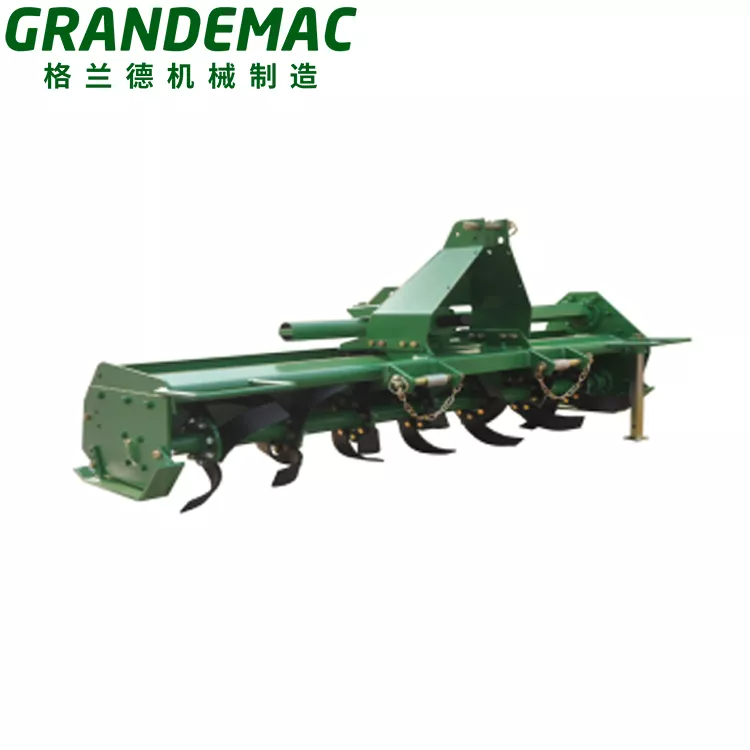
When it comes to maintaining the efficiency and productivity of your farm, having the right equipment is essential. One such piece of equipment that has proven to be invaluable to many farmers is the GRANDEMAC Rotary Tiller. Known for its high performance, versatility, and durability, it’s a tool that plays a crucial role in soil preparation. But one of the most common questions farmers have when considering an investment in a rotary tiller is: What is the lifespan of a GRANDEMAC Rotary Tiller?
In this article, we will explore the factors that influence the lifespan of the GRANDEMAC Rotary Tiller, how long it typically lasts, and what you can do to maximize its lifespan to ensure a solid return on investment.
Factors That Influence the Lifespan of a GRANDEMAC Rotary Tiller
Material Quality and Durability
One of the most important aspects that determine the lifespan of any agricultural machinery is the quality of the materials used in its construction. The GRANDEMAC Rotary Tiller is made with high-strength steel, designed to withstand the harsh conditions it’s often exposed to. The frame, blades, and other critical parts of the tiller are built with materials that resist wear and corrosion, extending the machine’s durability.
In particular, the GRANDEMAC Rotary Tiller’s high-quality, durable blades are designed to maintain sharpness for longer, reducing the frequency of blade replacements and improving overall performance. This contributes significantly to the longevity of the equipment, even after years of use in the field.
How Material Quality Affects Lifespan
The quality of materials used to build agricultural equipment is directly linked to its resistance to damage caused by wear and tear. A tiller made with premium steel or specialized alloys will not only last longer but will also operate more efficiently. Lower-quality materials, on the other hand, can wear out quickly, requiring frequent repairs and replacements.
Frequency and Intensity of Use
The frequency with which a GRANDEMAC Rotary Tiller is used, as well as the intensity of the tasks it is assigned to, will play a major role in determining how long the tiller will last. A tiller used regularly for light farming tasks such as tilling gardens or fields with soft, loamy soil will naturally last longer than one used frequently in tough, rocky conditions or heavy-duty agricultural operations.
When a rotary tiller is used regularly and at maximum capacity, the parts experience more stress, which can shorten the equipment’s lifespan. Farmers using their tillers in rocky soil, where the blades are constantly hitting stones, or in wet, heavy soil conditions, may find that their tillers need more frequent maintenance or even earlier replacement.
Impact of Intensive Use
If the GRANDEMAC Rotary Tiller is used on hard, compacted soils or rocks, the blades and internal components will wear down more quickly. In these conditions, the lifespan may be reduced, but the tiller will still likely last several years with proper care and attention.
Maintenance Practices
Proper maintenance is perhaps the single most important factor in extending the lifespan of any machinery, and the GRANDEMAC Rotary Tiller is no exception. Regular maintenance not only ensures that the tiller operates efficiently, but it also prevents minor issues from becoming major problems that could compromise its functionality or shorten its life.
Key maintenance tasks include:
Regularly sharpening the blades to maintain cutting efficiency.
Cleaning the tiller after each use to remove soil, plant debris, and moisture that could lead to rusting.
Lubricating moving parts to reduce friction and prevent wear.
Inspecting the frame, gears, and PTO system for signs of wear and replacing parts as necessary.
How Proper Maintenance Extends Lifespan
A GRANDEMAC Rotary Tiller that is well-maintained can last much longer than one that is neglected. Regularly checking for wear and tear, cleaning the tiller after each use, and addressing small issues as they arise can prevent major repairs and ensure that the tiller continues to work efficiently for years.
Average Lifespan of the GRANDEMAC Rotary Tiller
Expected Lifespan with Proper Maintenance
When properly maintained, the GRANDEMAC Rotary Tiller can last anywhere from 10 to 15 years. This estimate is based on moderate use and regular maintenance practices. With proper care, the tiller can serve for many seasons, providing consistent performance.
How Maintenance Affects Longevity
Proper maintenance can extend the lifespan of the tiller significantly. For instance, routine checks on the condition of the blades, frame, and PTO system can prevent costly repairs and breakdowns that could otherwise shorten the tiller’s useful life.
Lifespan in Harsh Conditions
While the GRANDEMAC Rotary Tiller is built to be durable, operating in extreme conditions can affect its lifespan. For example, tilling in rocky or excessively dry soils can cause more wear on the blades, requiring more frequent replacements. In such cases, the lifespan may be reduced, but the tiller will still likely last several years with proper care.
How to Maximize the Lifespan of Your GRANDEMAC Rotary Tiller
Regular Inspections and Preventative Maintenance
Preventative maintenance is the best way to ensure that your GRANDEMAC Rotary Tiller stays in top condition for as long as possible. This includes inspecting the machine regularly to check for signs of wear, cleaning it after each use to prevent the buildup of dirt and debris, and keeping the blades sharp.
Maintenance Checklist
Task | Frequency | Details |
Blade Sharpening | After every 10 uses | Keep blades sharp to maintain cutting efficiency. |
Cleaning | After every use | Remove soil, plant debris, and moisture. |
Lubricating Moving Parts | Every 50 hours of use | Prevent wear on bearings, gears, and other moving parts. |
Inspect PTO and Frame | Every 50-100 hours of use | Check for cracks, damages, and part misalignments. |
By sticking to a maintenance schedule and addressing issues before they escalate, you can keep your tiller running smoothly for many years.
Proper Storage and Handling
When the GRANDEMAC Rotary Tiller is not in use, storing it properly can prevent unnecessary wear. Always store the tiller in a dry, sheltered area to protect it from the elements, particularly rust caused by exposure to moisture. If possible, cover it with a tarp or protective cover to shield it from dust and debris.
Storing the Tiller in Off-Seasons
During the off-season, it’s important to clean the tiller thoroughly and store it in a climate-controlled environment. Prolonged exposure to rain or harsh sunlight can degrade parts of the tiller, leading to a shorter lifespan.
Using the Tiller According to Manufacturer Guidelines
The GRANDEMAC Rotary Tiller is designed with specific usage guidelines in mind. Adhering to the manufacturer’s recommendations ensures that the tiller is used within its optimal capacity, reducing unnecessary strain on the components. Overloading the machine or using it in unsuitable conditions (e.g., over-tilling or working in extremely rocky soils) can shorten its lifespan.
Following Usage Guidelines
Always refer to the user manual for specific instructions on tiller depth, speed, and load limits. This will help prevent damage to the machine and ensure it works efficiently.
What to Do When the GRANDEMAC Rotary Tiller Reaches the End of Its Lifespan?
Signs It’s Time for a Replacement
Even with the best care, all machinery eventually reaches the end of its useful life. Some of the signs that it may be time to replace your GRANDEMAC Rotary Tiller include:
Excessive blade wear that can no longer be fixed by sharpening.
Frame damage that impacts the machine's structural integrity.
Frequent breakdowns or issues with the PTO system.
When these signs appear, it may be time to invest in a new tiller.
How to Recycle or Dispose of Your Tiller
When your GRANDEMAC Rotary Tiller is no longer usable, it’s important to dispose of it properly. Many components of agricultural machinery can be recycled, including metals and plastics. Check with local recycling centers or agricultural equipment dealers to find the most environmentally friendly way to dispose of your old tiller.
Conclusion
The lifespan of the GRANDEMAC Rotary Tiller is influenced by factors like material quality, usage frequency, and the level of maintenance it receives. With proper care, this durable piece of equipment can provide reliable service for many years, significantly improving soil preparation efficiency and increasing overall productivity on the farm.
Regular maintenance, including cleaning, lubrication, and periodic inspections, plays a crucial role in extending the tiller's lifespan. Storing the equipment properly and following the manufacturer’s recommended guidelines for usage can further enhance its longevity. When well-maintained, the GRANDEMAC Rotary Tiller can serve you for 10 to 15 years or even longer, offering exceptional value for your investment.
At Jiangsu Grande Machinery Manufacturing Co., Ltd., we are dedicated to providing high-quality agricultural equipment that stands the test of time. If you are looking to learn more about the GRANDEMAC Rotary Tiller or explore how it can enhance your farming operations, our team is here to provide expert guidance and support. Feel free to contact us to discuss your needs and find the best solution for your farm.
FAQ
How long does the GRANDEMAC Rotary Tiller last on average?
With proper maintenance, the GRANDEMAC Rotary Tiller can last between 10 and 15 years.
What factors can reduce the lifespan of the GRANDEMAC Rotary Tiller?
Operating in harsh conditions, such as rocky soil or frequent use in heavy-duty tasks, can shorten the lifespan of the tiller.
What maintenance should be done to increase the lifespan of a GRANDEMAC Rotary Tiller?
Regularly check and replace the blades, clean the tiller after use, lubricate the moving parts, and inspect the frame and PTO system for wear.
Can I replace parts of the GRANDEMAC Rotary Tiller to extend its lifespan?
Yes, key parts such as blades, bearings, and belts can be replaced to extend the machine’s life.
How should I store the GRANDEMAC Rotary Tiller when not in use?
Store the tiller in a dry, sheltered place and cover it to protect it from moisture and dust.


