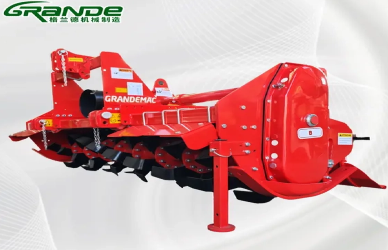
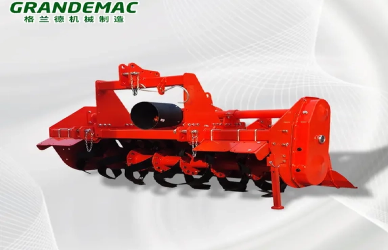
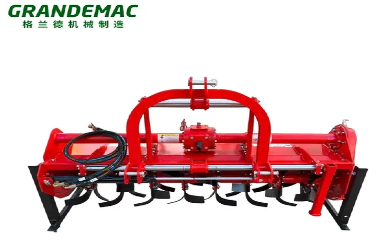
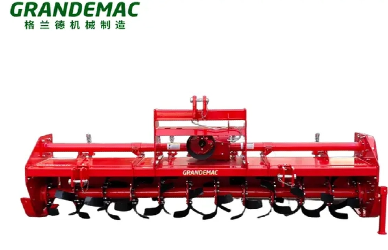
Single-pass tillage with a rotary tiller reduces passes, fuel, and soil compaction for perfect seedbeds.
Tight orchard rows? Compare specialized wheel tillers vs traditional tractors for soil health & maneuverability. Choose your ideal orchard machine.
Rotary cultivators are essential tools in modern farming, offering deep tilling, soil aeration, and effective crop bed preparation. However, like any piece of machinery, they are subject to wear and tear, and can encounter various operational issues over time.
A rotary cultivator is a versatile and powerful piece of farming equipment that helps to prepare soil for planting, manage weeds, and improve soil health. It is particularly useful in large-scale farming operations, orchards, and vineyards, where soil preparation and aeration are critical.
Tillers and rotary cultivators are both essential tools in modern agriculture, used for soil preparation to create ideal conditions for planting. While they serve similar purposes, their design, functionality, and applications vary. A tiller is typically a smaller, lighter tool used for shallow soil cultivation, ideal for smaller gardens or light soil work.
In modern agriculture, the rotary cultivator plays a crucial role in enhancing farming efficiency and soil health. It is a versatile piece of machinery designed to prepare the soil for planting by breaking, loosening, and aerating the ground. By using high-speed rotating blades, a rotary cultivator efficiently breaks down soil clumps, mixes organic matter, and improves soil structure.