Introduction
Agricultural experts are always searching for innovative ways to maximize crop yields. Rotary cultivators are emerging as a powerful solution to achieve this. These machines help improve soil health and yield efficiency, making them an essential tool for modern farming.
In this article, we’ll explore why rotary cultivators are increasingly popular among agricultural experts. You’ll discover how high-quality machines, like those from Grandemac, offer farmers efficient, eco-friendly solutions that enhance soil health and productivity.
The Role of Rotary Cultivators in Maximizing Yield
Efficiency in Soil Preparation
Rotary cultivators significantly reduce the time and labor required to prepare soil for planting. Unlike traditional methods, rotary tillers break up compacted soil, ensuring better aeration and moisture retention. The speed and efficiency at which these machines operate make them indispensable for large-scale farming operations.
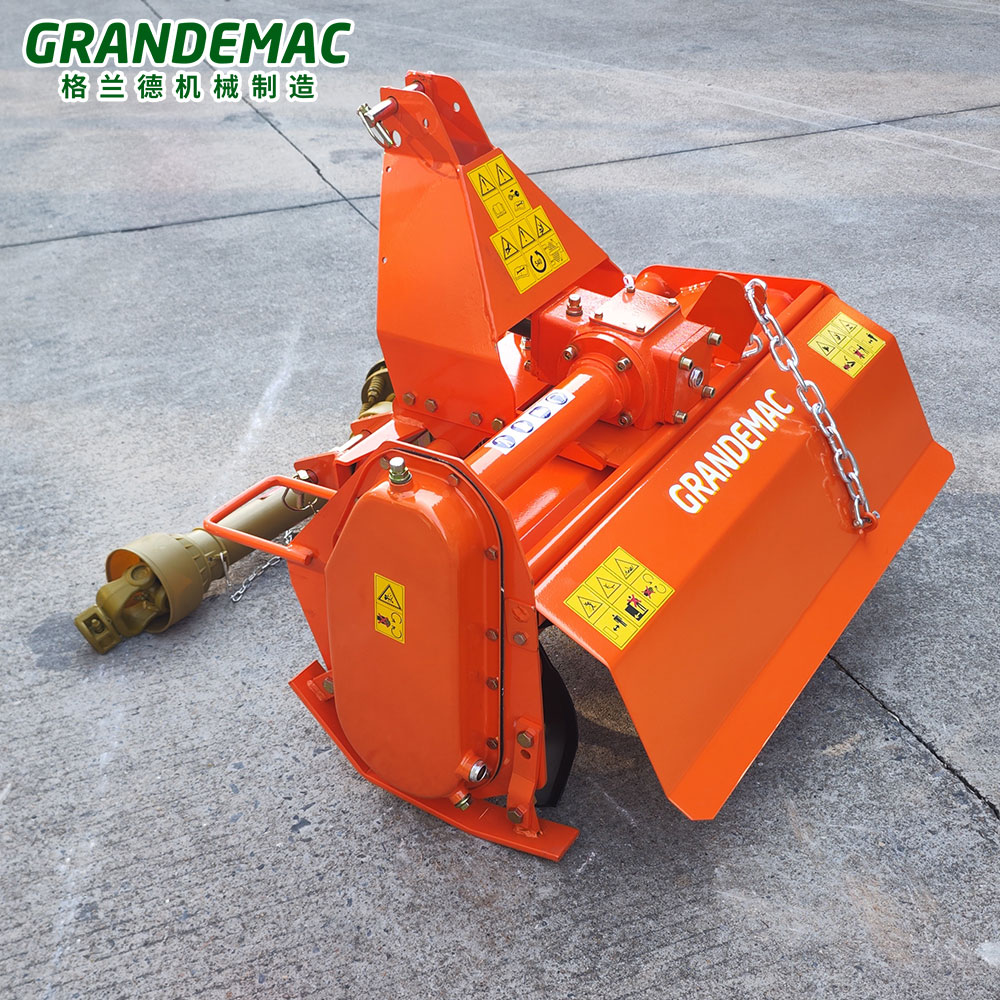
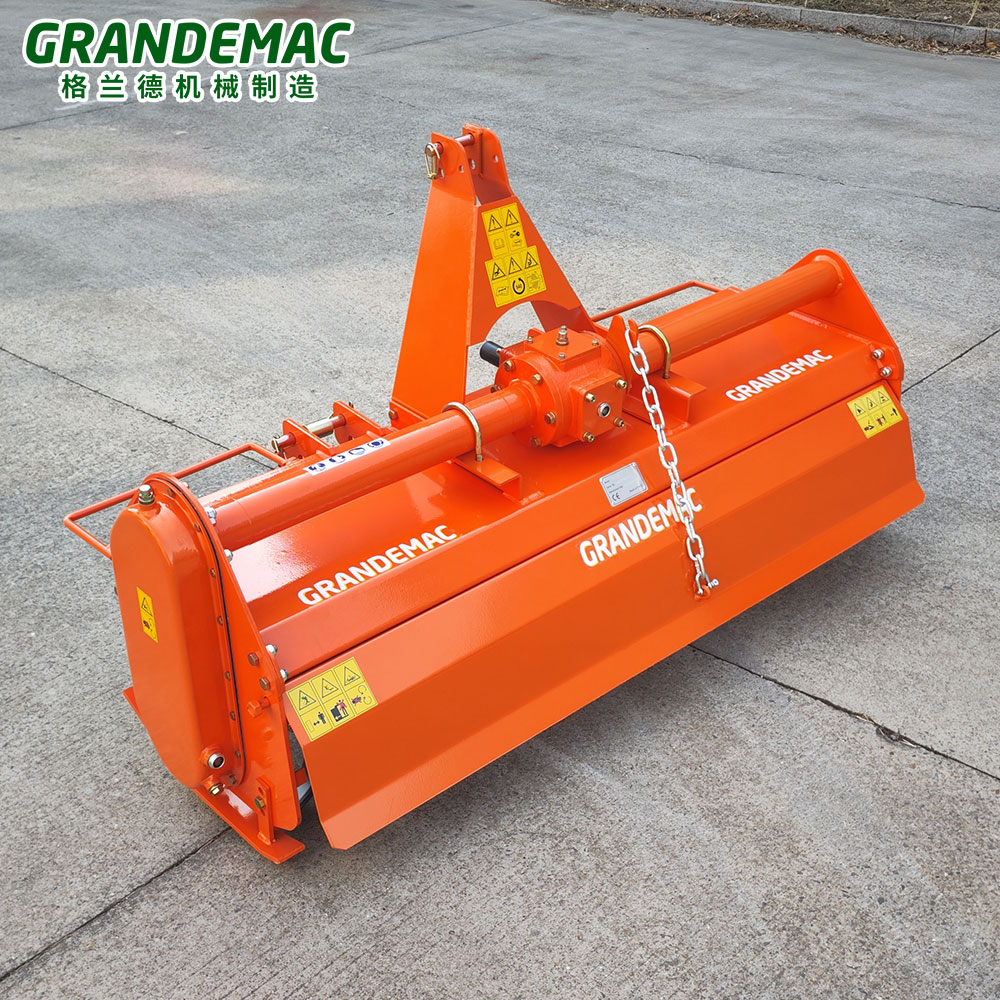
They also allow for consistent soil preparation, resulting in uniform seedbeds that foster better crop growth. As agricultural experts strive to minimize labor costs while maximizing productivity, the efficiency of rotary cultivators is crucial. Rotary cultivators, for instance, are known for their high-quality performance, offering adjustable tilling depths between 8–20 cm, and are capable of performing multiple tasks such as plowing, soil crushing, and leveling in one pass, making them perfect for maximizing yield.
Enhancing Soil Health for Better Crop Production
Soil health plays a key role in crop yields. Rotary cultivators excel at improving soil structure by breaking up compacted areas and mixing organic material into the soil. This process helps enhance soil fertility, promote beneficial microbial activity, and ensure optimal root growth conditions.
By incorporating organic matter like compost and plant residue into the soil, rotary tillers provide nutrients that foster healthier crops. This leads to a more sustainable farming system, with healthier soils that require fewer chemical inputs. The durability of rotary cultivators, built with wear-resistant materials and high-quality blade shafts, ensures that they can operate efficiently in a variety of soil types, making them a reliable option for experts looking to enhance soil health.
Precision for Optimal Plant Growth
Adjustable depth control is a hallmark feature of modern rotary cultivators. This ensures that tilling is done at the right depth for various crop types, which is critical for proper root development. Whether dealing with shallow-rooted vegetables or deep-rooted grains, rotary cultivators provide the necessary precision.
This level of customization ensures consistent plant growth, enhances seed germination, and leads to better yields overall. The ability to customize tilling depth also makes rotary cultivators versatile for different types of crops and soil conditions. Rotary cultivators offer fine soil crushing and leveling, ideal for creating perfect seedbed conditions that contribute to higher crop yields.
Feature | Description |
Adjustable Tilling Depth | Customizable depth between 8-20 cm for various crop needs |
Multi-Functionality | Performs plowing, soil crushing, and leveling in one pass |
Durability | Built with wear-resistant materials, ideal for various soil types |
Efficiency | High-performance, fuel-efficient design for large-scale operations |
Technological Advancements in Rotary Cultivators
GPS and Sensor Integration for Precision Farming
Modern rotary cultivators are incorporating GPS technology and sensors that help monitor soil conditions in real time. These technologies allow for precise adjustments to tilling depth and blade speed based on soil moisture levels, compactness, and other variables.
This shift toward smart technology in rotary cultivators enables farmers to optimize their operations, use resources efficiently, and make data-driven decisions that directly impact crop yield. By improving soil management with these technologies, farmers can expect higher productivity and lower operational costs. Advanced rotary models provide easy integration with GPS systems, offering real-time data to optimize soil preparation and increase farming efficiency.
Fuel Efficiency and Sustainability
Fuel efficiency is becoming increasingly important as agricultural operations seek to reduce costs and environmental impact. Rotary cultivators, particularly those designed with advanced technology, offer significant fuel savings over traditional tilling methods.
By requiring less fuel and reducing the need for multiple passes across the field, rotary tillers help minimize carbon footprints, making them an environmentally sustainable choice for modern agriculture. Rotary cultivators are not only fuel-efficient but also designed to offer long-term durability and high performance, helping farmers achieve more while using fewer resources.
Comparing Rotary Cultivators to Traditional Tillage Methods
Advantages Over Plowing and Harrowing
Traditional plowing and harrowing methods often require multiple passes, causing unnecessary soil compaction. Rotary cultivators, on the other hand, can perform these tasks in a single pass, saving both time and fuel. This efficiency allows farmers to prepare large fields quickly while improving soil health.
The precision and uniformity of rotary tilling also ensure better seed-to-soil contact, which is critical for maximizing crop yields. By reducing soil compaction and improving aeration, rotary cultivators promote better root growth and water absorption. Rotary cultivators help streamline soil preparation by performing multiple operations simultaneously.
Feature | Rotary Cultivators | Traditional Tillage Methods |
Efficiency | Single-pass operation, reducing time and labor | Requires multiple passes, increasing time and fuel consumption |
Soil Health | Breaks up compacted soil, improves aeration | Can cause soil compaction over time |
Fuel Consumption | More fuel-efficient, saves energy | Typically requires more fuel per acre |
Uniformity | Provides uniform seedbeds for better crop growth | Less uniform, leading to uneven seed-to-soil contact |
Cost-Effectiveness in the Long Run
While the initial investment in a rotary cultivator might be higher than traditional tilling equipment, the long-term savings are significant. These machines reduce labor costs and fuel consumption, and their ability to improve soil health results in better crop yields.
In addition, rotary cultivators help prevent soil erosion and the loss of valuable topsoil, contributing to more sustainable farming practices. With proper maintenance, they offer durability and a high return on investment. Rotary cultivators are built with high-quality materials, ensuring longevity and minimizing the need for repairs, offering an excellent return on investment for farmers.
Agricultural Experts' Feedback on Rotary Cultivators
Success Stories from Agricultural Experts
Agricultural experts have shared numerous success stories about the advantages of rotary cultivators. For instance, farmers who have adopted these machines report better soil structure, improved crop yields, and reduced operational costs. Their ability to handle various soil conditions and crop types makes rotary cultivators a versatile tool.
Experts emphasize the importance of using the right tilling equipment to match soil conditions and farm size. Rotary cultivators have been praised for their adaptability, from small farms to large-scale operations, proving their value in diverse agricultural settings.
Recommendations for Optimal Use
To maximize yield, experts recommend selecting a rotary cultivator that matches the power requirements of your tractor and the size of your fields. Farmers should also consider the soil type and adjust tilling depth accordingly.
Regular maintenance is essential for optimal performance. Ensuring that blades are sharp and that the cultivator is properly lubricated will help maintain efficiency and extend the life of the equipment. Manufacturers offer clear operating and maintenance guidelines to help farmers keep their rotary cultivators running at peak performance.
The Impact of Rotary Cultivators on Sustainable Agriculture
Reducing Environmental Impact
Rotary cultivators play a crucial role in reducing the environmental impact of modern farming. Their ability to improve soil structure, promote better water retention, and reduce erosion makes them an environmentally friendly choice.
Additionally, by reducing the need for chemical fertilizers and herbicides, rotary tillers help support organic farming practices, leading to healthier ecosystems and less reliance on synthetic inputs. Rotary cultivators are designed with eco-friendly features that reduce fuel consumption and promote sustainability.
Supporting Regenerative Farming Practices
Regenerative farming focuses on restoring soil health and biodiversity. Rotary cultivators contribute to this by improving soil aeration, incorporating organic material, and promoting healthier plant and root systems.
By fostering better soil conditions, rotary tillers support the goals of regenerative agriculture and help ensure long-term farming success while reducing environmental degradation. Rotary cultivators, built for diverse terrains and adaptable to different crop systems, support regenerative agriculture practices by maintaining soil integrity and boosting overall farm health.
Future Innovations in Rotary Cultivators
The Rise of Autonomous Rotary Cultivators
As agricultural technology continues to evolve, rotary cultivators are expected to incorporate more automation. Autonomous machines capable of operating without human intervention could greatly enhance efficiency and reduce labor costs.
These autonomous systems will likely incorporate advanced sensors and AI to optimize tilling depth, speed, and other variables, further increasing productivity while minimizing waste and energy use. Rotary cultivators are part of this evolution, offering models that integrate smart technology for future-ready farming operations.
Smart Farming Integration
The future of rotary tillers includes integration with other farm management systems, allowing for real-time adjustments based on environmental data. AI-powered systems will help farmers optimize soil preparation, monitor crop conditions, and streamline overall farm operations.
These innovations will not only make farming more efficient but also more sustainable, aligning with the growing demand for smart farming technologies. Rotary cultivators are designed to integrate seamlessly into these smart farming ecosystems, helping farmers stay ahead of the curve.
Conclusion
Rotary cultivators are transforming modern agriculture by improving efficiency, boosting crop yields, and supporting sustainable farming practices. These versatile machines benefit both small organic farms and large commercial operations. By using rotary cultivators, farmers can enhance productivity, reduce environmental impact, and promote sustainability. Products from brands like Grandemac offer durable, high-performance solutions that optimize soil preparation, ensuring better crop outcomes and long-term farming success.
FAQ
Q: What are rotary cultivators and why are they important for maximizing yield?
A: Rotary cultivators are farming tools used for soil preparation. They are important because they improve soil health, reduce labor costs, and enhance crop yields by providing consistent soil aeration and better seedbed conditions.
Q: How do rotary cultivators help improve soil health?
A: Rotary cultivators break up compacted soil, mix organic material, and enhance aeration, which improves soil structure, water retention, and nutrient availability, leading to healthier crops and higher yields.
Q: Why are agricultural experts choosing rotary cultivators over traditional tilling methods?
A: Agricultural experts prefer rotary cultivators because they are more efficient, reduce the need for multiple passes, save fuel, and enhance soil health, making them ideal for maximizing crop yield.
Q: How does using a rotary cultivator contribute to sustainable farming?
A: Rotary cultivators support sustainable farming by reducing soil erosion, minimizing fuel use, and promoting better soil conditions, which leads to more efficient and eco-friendly agricultural practices.


