Introduction
Efficiency is key to modernizing agriculture. More farms, big or small, are investing in rotary cultivators. These machines, like the high-quality rotary tillers from Grandemac, are revolutionizing soil preparation across the globe. Rotary cultivators improve soil health, save time, and boost crop yields.
In this article, we’ll explore why farms of all sizes are embracing these versatile tools. You’ll learn how they help farmers improve efficiency and sustainability across diverse farm types.
What Is a Rotary Cultivator and How Does It Work?
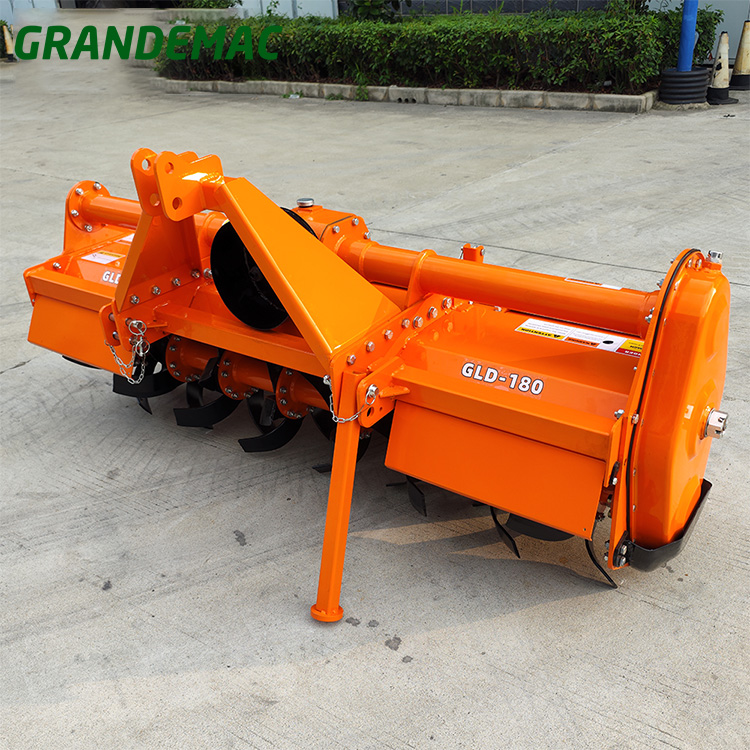
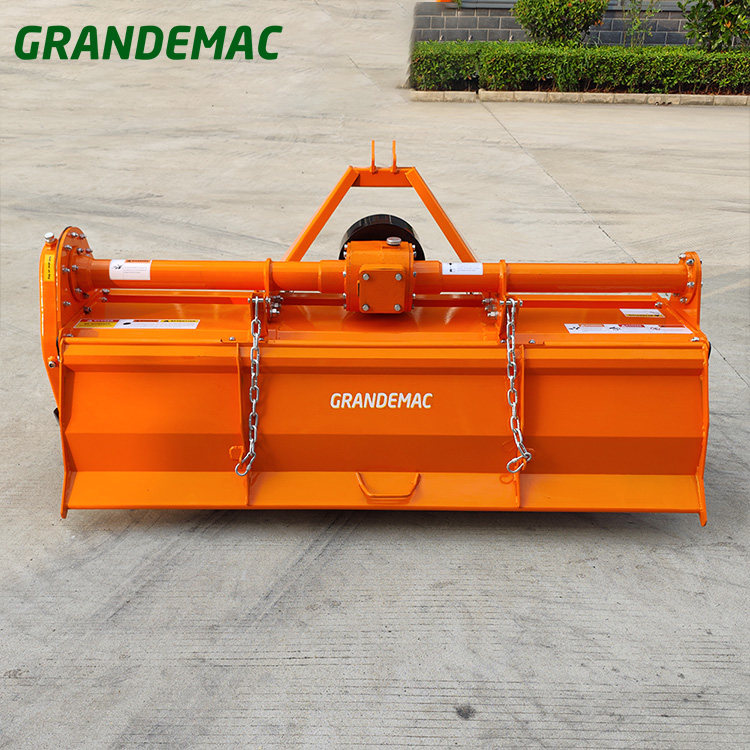
A rotary cultivator, often referred to as a rotary tiller, is a tractor-mounted tool designed to break up, aerate, and mix soil. The machine uses rotating blades or tines to churn the soil, creating a fine, well-aerated structure ideal for seedbed preparation. These machines are equipped with a Power Take-Off (PTO) shaft, which powers the rotating blades, and can be easily connected to a tractor for use in various agricultural operations.
Key Components and Functionality
The rotary cultivator features several important components, including:
● Rotating blades or tines: These break up and loosen the soil, allowing for better aeration and incorporation of organic matter.
● Adjustable depth settings: Many models allow farmers to adjust the tilling depth, which is typically between 8–20 cm, ensuring that the soil is worked to the right level for different crops.
● PTO connection: This allows the cultivator to draw power from the tractor, enabling high efficiency in soil processing without requiring excessive manual labor.
These key features make rotary cultivators effective for various farming needs, whether it's preparing soil for vegetable planting or working on large-scale grain production.
Feature | Small Farms | Medium Farms | Large Farms |
Tractor Compatibility | 18 HP and above | 30 HP and above | 50 HP and above |
Working Width | 1.5m - 2m | 2m - 3m | 3m and above |
Tilling Depth | 8 - 15 cm | 8 - 20 cm | 15 - 25 cm |
Blade Type | Standard Blades | Heavy-Duty Blades | Wear-Resistant Blades |
Ideal Terrain | Loamy & Sandy Soil | Loamy, Clayey, and Wet Soils | Rocky, Compact, and Clayey Soils |
The Appeal of Rotary Cultivators for Farms of All Sizes
The growing popularity of rotary cultivators among farms of different sizes is largely due to the benefits they offer. From small farms looking to reduce labor to large-scale operations seeking efficiency, rotary cultivators play an important role in modern agriculture.
Small Farms
For small farms, rotary cultivators offer a highly efficient, cost-effective solution for soil preparation. These machines allow farmers to complete field preparation tasks more quickly, reducing the need for manual labor. Rotary cultivators are often designed to be compact, which makes them ideal for smaller plots of land. Their versatility also makes them suitable for a range of crops, including vegetables and grains, which is crucial for farmers who rely on crop rotation to maintain soil health.
Many models are designed to be compatible with tractors as small as 18 HP, making them accessible for farms with limited equipment. Additionally, their user-friendly operation and simple installation process, such as connecting via the three-point linkage and PTO, make them easy for small-scale farmers to integrate into their workflow.
Medium-Sized Farms
Medium-sized farms benefit from rotary cultivators due to their ability to handle larger areas of land efficiently while offering customization for different crop types. The ability to adjust tilling depth and blade speed makes rotary cultivators versatile for diverse farming needs. These machines can perform multiple tasks in one pass—such as plowing, soil crushing, stubble removal, and leveling—leading to significant time and labor savings.
Rotary cultivators also contribute to sustainable farming practices by improving soil structure and increasing moisture retention, which is especially important in areas facing water scarcity. For medium-sized farms, these benefits can translate into higher yields and reduced reliance on external inputs.
Large Farms
On large-scale farms, rotary cultivators are essential tools for managing vast fields. With their high working width and the ability to cover large areas quickly, they reduce the time and labor required for soil preparation. Heavy-duty rotary cultivators can handle tough soil conditions, such as compacted or rocky terrain, making them ideal for expansive fields that need regular tilling.
For large farms that operate across multiple crop systems, such as grains, economic crops, and horticultural crops, rotary cultivators can be adapted for different soil types and farming conditions. Their robust design, often featuring wear-resistant components, ensures long-term durability, even under the strain of intensive farming operations.
Advantages of Rotary Cultivators for Diverse Farming Needs
Rotary cultivators offer several distinct advantages that make them a smart investment for farms of all sizes, improving both efficiency and sustainability in agricultural practices.
Improved Soil Health
Rotary cultivators are designed to create a fine, well-aerated soil structure that promotes optimal seed germination and root development. By breaking up compacted soil, they improve water infiltration and increase the soil's capacity to hold nutrients. This is crucial for supporting healthy crop growth, especially in soils that have been compacted by traditional plowing methods.
Many rotary cultivators are equipped with blades made from high-quality, wear-resistant materials, ensuring that they maintain their effectiveness over time, even with heavy use. This durability contributes to long-term soil health, which is essential for sustainable farming practices.
Weed Control and Reduced Herbicide Use
One of the most significant benefits of rotary cultivators is their ability to control weeds naturally. The rotating blades uproot weeds and incorporate them into the soil, which eliminates the need for chemical herbicides. This is particularly beneficial for organic farms or those looking to reduce their reliance on chemicals. By integrating weeds back into the soil, rotary cultivators contribute organic matter that enriches the soil and promotes healthier crop growth.
Time and Labor Efficiency
The efficiency of rotary cultivators is one of the main reasons for their widespread adoption. These machines cover large areas much faster than traditional manual tilling, significantly reducing the time spent on field preparation. With their ability to handle various soil types and conditions, rotary cultivators also help reduce the number of passes required for soil processing, saving both time and labor.
For large-scale farms, this time-saving ability allows for more efficient management of multiple crops and a quicker turnaround between planting seasons, which ultimately boosts productivity.
Adaptability to Different Soil Types
Rotary cultivators are versatile enough to work on a wide range of soil types, from dry to wet, and from sandy to clayey. The ability to adjust the tilling depth ensures that the cultivator can be used effectively in varying soil conditions. Whether preparing soil in paddy fields, orchards, or vegetable greenhouses, rotary cultivators are adaptable to a wide array of farming environments.
The models available also offer different sizes to suit the scale of the operation. Small, medium, and large-scale farmers can choose the right rotary cultivator based on their specific needs, making them highly adaptable tools for various farming applications.
Technological Innovations in Rotary Cultivators
Rotary cultivators have evolved significantly, integrating new technologies that further enhance their performance and efficiency. These innovations make them even more effective in meeting the needs of modern farming.
GPS and Precision Farming
The integration of GPS technology into rotary cultivators has allowed for more precise field navigation, reducing overlap and ensuring that soil is evenly tilled. This precision reduces waste and optimizes tillage efficiency, leading to higher yields and more sustainable farming practices. The ability to track and monitor cultivation progress also helps farmers make better-informed decisions about soil treatment and resource management.
Automated and Smart Cultivators
Newer models of rotary cultivators are moving towards automation, with sensors that can adjust the machine's settings based on real-time soil conditions. These sensors ensure that the depth and speed of tilling are always optimal, which improves overall soil management. By incorporating artificial intelligence and machine learning, these cultivators can adapt to varying field conditions, further enhancing their efficiency and reducing the need for manual intervention.
Variable-Speed and Hydraulic Systems
Some rotary cultivators now feature hydraulic systems that allow farmers to adjust blade speed and tilling depth, making them highly versatile. These systems provide greater flexibility in adapting to different soil conditions and crop requirements, ensuring the machine performs efficiently across various farming environments.
Real-World Success Stories: Impact of Rotary Cultivators
Rotary cultivators have proven their effectiveness in improving farm operations across the globe, from small organic farms to large commercial operations.
Organic Farming in California
In California, an organic vegetable farm saw a 20% reduction in herbicide use after integrating rotary cultivators into their weed management process. The ability to uproot and incorporate weeds back into the soil helped improve soil health and reduced the need for chemical inputs, which is a significant benefit for organic farmers. The cultivator also helped with seedbed preparation, ensuring a better start for their crops.
Rice Farming in Southeast Asia
In Southeast Asia, rotary cultivators are frequently used in rice paddies, where they help prepare the wet soil for planting. The machines’ ability to level the soil and mix organic matter into the field has led to increased yields, better nutrient uptake, and healthier rice crops.
Large-Scale Grain Production in the Midwest
Midwestern farmers have also adopted rotary cultivators for managing crop residues and preparing seedbeds for no-till planting. This practice has helped reduce soil erosion, improve water retention, and increase yields, showcasing the positive impact of rotary cultivators on large-scale grain production.
Why Rotary Cultivators Are a Smart Investment for Farms of All Sizes
The investment in rotary cultivators offers significant long-term returns in terms of productivity, efficiency, and sustainability.
Return on Investment (ROI)
The upfront cost of purchasing a rotary cultivator is quickly offset by the time and labor savings they provide. These machines help farmers prepare their land faster and more efficiently, leading to increased crop yields and reduced operating costs. Additionally, government subsidies in some regions help reduce the financial burden on farmers, making rotary cultivators a wise investment.
Environmental and Sustainability Benefits
Rotary cultivators contribute to sustainable farming by reducing the need for chemical herbicides and minimizing soil erosion. By promoting healthy soil and increasing organic matter, these machines support environmentally responsible farming practices, ensuring the long-term health of the land.
Conclusion
Rotary cultivators are reshaping modern farming by enhancing efficiency, increasing crop yields, and promoting sustainability. These versatile machines benefit both small and large farms. By investing in rotary cultivators, farmers can improve productivity, reduce environmental impact, and contribute to a sustainable future. Products like those from Grandemac, with their durable design and high performance, provide exceptional value, making them a smart choice for farmers of all sizes.
Tip:
Investing in a rotary cultivator is an investment in your farm's future. Consider the specific needs of your farm and select a model that provides the best efficiency and adaptability for your operations.
FAQ
Q: Why are rotary cultivators becoming popular across farms of all sizes?
A: Rotary cultivators are gaining popularity due to their ability to improve soil health, save time, and enhance crop yields. Farms of all sizes are investing in them because they offer efficiency in soil preparation, with versatile models that adapt to different soil types and crop needs.
Q: How does a rotary cultivator improve soil health?
A: Rotary cultivators break up compacted soil, improve aeration, and incorporate organic matter. This process enhances soil structure, promotes better root development, and increases nutrient availability, resulting in healthier soil for crops.
Q: What are the main benefits of using rotary cultivators on small farms?
A: For small farms, rotary cultivators reduce labor, increase efficiency, and help in fine soil preparation for seedbeds. Their compact design and easy operation make them ideal for small-scale operations, allowing farmers to save time while improving soil quality.
Q: Are rotary cultivators cost-effective for large farms?
A: Yes, rotary cultivators are cost-effective for large farms due to their efficiency in preparing vast areas quickly. They reduce labor costs, improve productivity, and enhance soil health, which ultimately leads to higher crop yields and better return on investment (ROI).


