Modern farmers are constantly searching for ways to make every hectare count — from conserving water to improving crop earliness and yield. For many vegetable, tobacco, and cotton growers, one key innovation has proven transformative: the ridge laminating machine. By combining ridge formation and film mulching in a single operation, this technology helps maximize field efficiency, reduce labor costs, and enhance crop quality. In this article, we’ll explore how ridge laminating machines from Jiangsu Grande Machinery Manufacturing Co., Ltd. are helping farmers achieve higher productivity and healthier plants through better soil management and precision engineering.
What Is a Ridge Laminating Machine and How Does It Differ from a Mulch Layer?
Basic Function: Film Mulching + Ridge Forming Combined
A ridge laminating machine integrates two essential tasks — forming soil ridges and laying plastic mulch film — into one smooth pass. Traditional mulching requires separate steps for ridging and film covering, but this equipment merges both. It forms uniform ridges that improve root aeration and drainage, while the film locks in soil moisture and warmth. The combined process means more consistent ridge shape and faster preparation for planting.
Typical Configurations (Tractor-Mounted, Ride-On, Multi-Row)
Ridge laminating machines are often tractor-mounted for easy integration with existing field setups. Some models are ride-on types suitable for small farms, while multi-row configurations serve large-scale vegetable or tobacco farms, handling multiple ridges simultaneously. Each setup is designed to maximize throughput and adapt to local field conditions.
How It Differs from Simple Mulch Layers or Hand-Laying Plastic
Unlike a basic film mulching machine, which focuses only on covering flat soil, ridge laminating machines contour the field surface before applying the film. The ridging process improves soil drainage and root health — two crucial factors for long-term productivity. Additionally, ridge laminating machines deliver consistent tension control, tighter film adherence, and fewer manual adjustments compared to hand-laying methods.
The Agronomic Benefits: Why Ridge + Film Matters for Yield
Soil Moisture Conservation and Reduced Evaporation
One of the biggest benefits of ridge laminating machines is improved water efficiency. The film covering reduces surface evaporation, helping soil retain valuable moisture for longer periods. During dry spells, this moisture conservation can sustain crops through critical growth stages and minimize irrigation needs.
Soil Temperature Increase and Earlier Germination
Plastic film also increases soil temperature around the root zone. Warmer soil encourages earlier seed germination and rapid seedling establishment — leading to earlier harvests and potentially higher market prices. Farmers using ridge laminating machines often report improved uniformity in crop emergence and stronger initial growth.
Weed Suppression and Reduced Herbicide Need
Film mulching provides natural weed control by blocking sunlight from reaching the soil surface. With less weed competition, crops benefit from more nutrients and water, while farmers spend less on herbicides and weeding labor. This contributes to both economic and environmental sustainability.
Case Snapshot: Best Crops for Ridge Laminating
The benefits are particularly evident in crops like tomatoes, peppers, tobacco, and cotton. These crops respond well to warm, well-drained ridges and benefit from consistent soil moisture. Ridge laminating systems allow growers to maintain optimal growing conditions across long production cycles, even in challenging climates.
Real-World Productivity: Labor, Time, and Field Efficiency
Labor Savings vs. Manual Mulching
Using a ridge laminating machine drastically reduces labor input. Instead of teams of workers forming ridges and laying film by hand, one operator can cover large fields in a fraction of the time. Labor costs drop, and work scheduling becomes more predictable.
Field Throughput and Planting Window Expansion
With tractor-mounted ridge laminating systems, farmers can prepare multiple rows per pass. This increases field throughput (rows per hour) and allows earlier planting, even in tight seasonal windows. The higher operational speed translates directly into better land utilization and improved annual output.
Machine Settings Affecting Productivity
Performance depends on correct machine calibration — width, ridge height, and travel speed should be adjusted to crop and soil types. For instance, deeper ridges suit root crops and tobacco, while shallower ridges benefit vegetables needing surface moisture. Jiangsu Grande Machinery Manufacturing Co., Ltd. designs machines with adjustable parameters for versatile use across different farms.
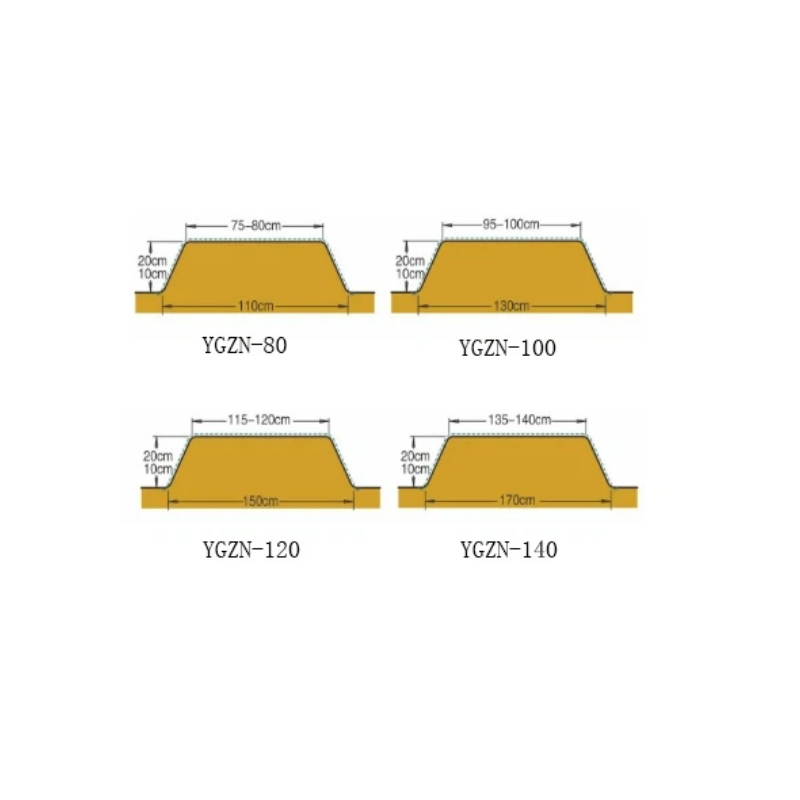
Design Features That Matter — What to Look For in a Ridge Laminating Machine
Film Feeding and Tension Control
Stable film feeding ensures tight, wrinkle-free mulching. Advanced tension systems help maintain consistent coverage even at varying speeds, preventing air pockets that reduce soil warmth and water retention.
Ridging Tools and Soil Flow Design
Effective soil shaping is crucial. Grande Machinery’s ridging blades and soil flow structures ensure clean, firm ridges resistant to collapse or erosion. The precision of these components determines how evenly the film adheres and how long the ridges last under rain or irrigation.
Durability and Adaptability
Quality materials — including high-strength frames, anti-rust coatings, and heavy-duty bearings — guarantee long service life. This is especially important in sandy or rocky soils. Durable design reduces downtime and maintenance costs, extending the machine’s productivity over many seasons.
Optional Attachments for Greater Versatility
Modern ridge laminating machines may integrate drip tape systems or even seeders, allowing simultaneous irrigation setup or planting. Compatibility with degradable film adds an eco-friendly advantage, aligning with global trends in sustainable agriculture.
Crop-Specific Advantages: Vegetables, Fruits, Tobacco, and Cotton
Vegetable Crops: Tomatoes, Peppers, and More
Vegetable growers benefit from earlier maturity and improved fruit setting due to warmer, more stable soil environments. Ridges prevent waterlogging and promote deep root growth, leading to healthier plants and better yields.
Tobacco and Cotton: Root Protection and Quality Enhancement
For tobacco and cotton, ridge laminating improves root aeration and nutrient uptake. The combination of loose, warm soil and reduced surface compaction fosters quality leaf and fiber development while reducing root rot risk in humid conditions.
Fruit and Seed Crops: Drainage and Root Establishment
Fruit and seed crops like melons, peanuts, and sunflowers also thrive under ridge-based cultivation. The raised beds improve drainage, reduce soil-borne disease pressure, and provide better access to nutrients and oxygen.
Quick Troubleshooting: Common Field Issues and Fixes
Uneven Film Lay — Causes and Fixes
If the film appears loose or uneven, it may result from inconsistent tension or mismatched ground speed. Checking the film roll alignment and maintaining stable tractor movement usually resolves the issue.
Ridge Collapse in Wet Soil
Soft or saturated soils can cause ridge deformation. Reducing ridge blade depth and slowing travel speed help the ridges maintain shape under these conditions.
Film Tears and Edge Burying Problems
Tears often occur when the film is too tight or when soil clods interfere with smooth laying. Adjusting tension and using fine soil for edge burying ensure reliable sealing and long-lasting coverage.
Profitability Snapshot — Simple ROI Thinking for Operators
Improved Inputs and Output Gains
A ridge laminating machine improves multiple input factors — soil moisture, temperature, and weed control — all of which boost yields and crop uniformity. This creates a measurable improvement in profitability through higher production and better product quality.
Savings in Labor and Chemicals
By reducing manual work and herbicide applications, the system saves both time and money. These savings accumulate quickly, offsetting machine costs over several growing seasons.
Timing the Investment
The right time to invest depends on farm size, crop value, and available labor. For farms shifting to higher-value crops or expanding acreage, ridge laminating technology offers a clear pathway to faster returns and sustainable productivity.
Conclusion
The ridge laminating machine is more than a convenience tool — it’s an essential piece of modern agricultural equipment that directly enhances yield, quality, and efficiency. Farmers adopting this technology enjoy improved soil conditions, reduced labor costs, and earlier harvests. Jiangsu Grande Machinery Manufacturing Co., Ltd. continues to deliver innovative ridge laminating solutions designed for durability and versatility across different crops and terrains. If you’re looking to upgrade your farming efficiency and achieve better returns, contact us today to learn more about our B Series models and request a product brochure.
FAQ
1. What crops benefit most from using a ridge laminating machine?
Vegetables like tomatoes and peppers, as well as tobacco and cotton, show the most yield improvement due to better soil warmth, drainage, and moisture retention.
2. How does a ridge laminating machine save labor compared to manual mulching?
It combines ridging and film application in one pass, allowing one operator to cover large areas quickly instead of relying on multiple workers.
3. Can ridge laminating machines work with degradable film?
Yes. Jiangsu Grande models are compatible with both conventional and biodegradable films to support sustainable farming practices.
4. What maintenance does a ridge laminating machine require?
Regularly check bearings, film rollers, and ridge blades. Keeping the soil contact parts clean and lubricated ensures consistent performance and long machine life.


