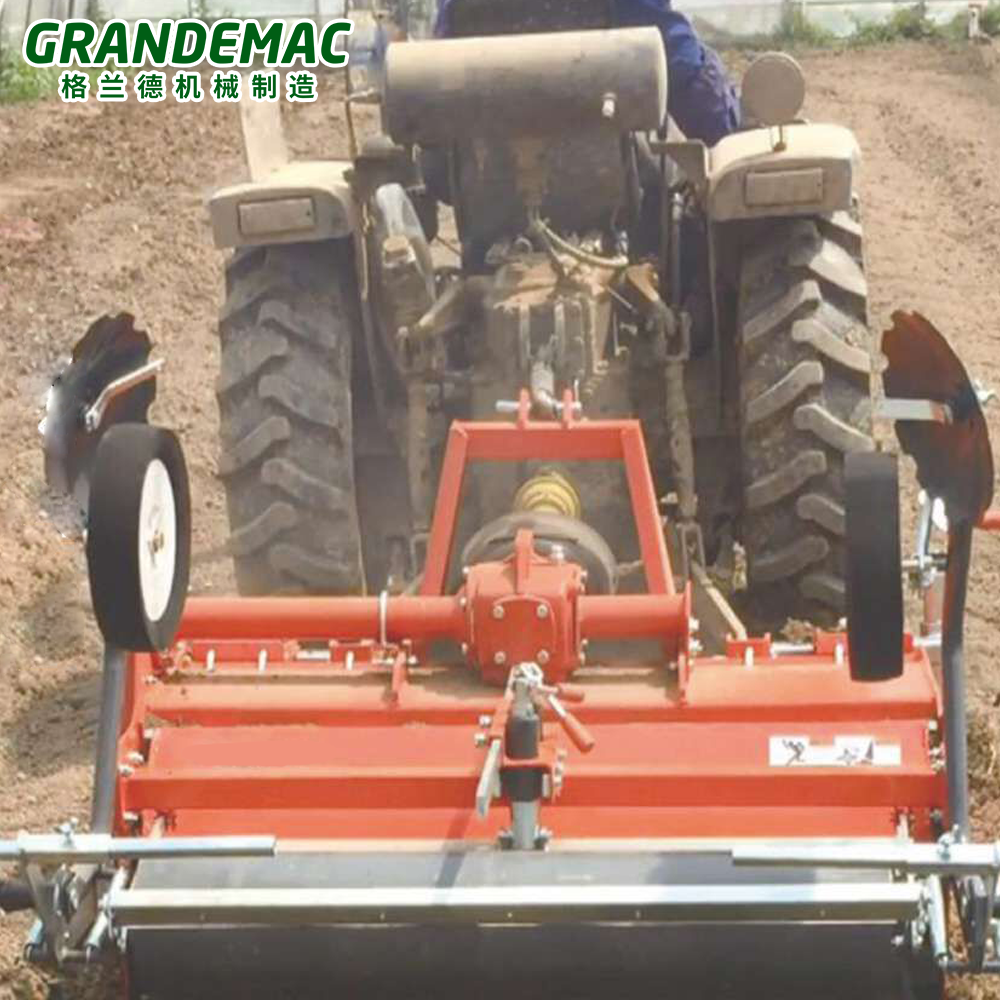
Modern commercial farming demands absolute precision. Transitioning from manual or semi-mechanized field preparation to fully integrated mulch laying requires substantial upfront capital. This financial reality makes equipment evaluation a high-stakes decision for farm managers everywhere. Unfortunately, inconsistent bed preparation and manual mulch application still plague many commercial operations. These outdated methods directly lead to soaring labor costs, uneven crop emergence, and severe vulnerability to sudden weather fluctuations. Relying on fragmented processes means you risk unpredictable harvests and wasted resources. Our guide will objectively evaluate how integrating a specialized plastic mulch layer addresses these glaring inefficiencies. You will discover how this machinery standardizes bed architecture, optimizes the delicate root zone, and delivers measurable agronomic returns. We will help you navigate this vital transition effectively.
A combined ridge making cultivator and laying system ensures precise plastic tension, mitigating wind-lift risks and optimizing seedbed microclimates.
Evaluating a tractor plastic mulch layer requires assessing compatibility with existing fleet horsepower, soil type realities, and adjustable implement widths.
Long-term soil protection is achieved through controlled moisture retention, targeted weed suppression, and reduced topsoil erosion.
The Cost of Inefficient Bed Preparation in Commercial Operations
Pre-season planting windows are incredibly narrow. Manual preparation drains your workforce rapidly. Farm managers often struggle to find enough seasonal labor. A fragmented approach causes massive operational bottlenecks. Your crews spend hours shaping dirt by hand. They waste precious daylight rolling out films manually. Delays during planting push your entire season backward. These labor and time bottlenecks destroy operational efficiency. They force you to pay extensive overtime wages just to finish planting.
Uneven ridges ruin root development completely. When workers build beds by hand, heights vary wildly across the field. Soil compaction remains inconsistent from row to row. Some plants struggle in loose dirt. Others fight against hard, compacted clods. Plants mature at entirely different speeds. You face unpredictable harvest timelines. Irregular crops force your crews to make multiple passes during harvest. This variability directly hurts your ability to fulfill rigid buyer contracts.
Improperly laid plastic destroys your material budgets. Loose film tears easily in the wind. Severe wind displacement rips entire rows straight from the ground. Poor soil anchoring exposes the fragile plastic edges. Sunlight causes rapid UV degradation on these loose sections. The material becomes brittle and shatters. You end up buying expensive replacement rolls. You also pay your crews twice to re-lay the damaged rows. Material waste erodes your profit margins rapidly.
Hidden Overtime: Paying manual crews extra hours to fix blown-away sections.
Fuel Waste: Driving tractors multiple times for separate shaping and laying passes.
Delayed Revenue: Crop loss resulting from planting schedules pushed past optimal dates.
Material Loss: Discarding torn or sun-degraded agricultural films mid-season.
Pairing your film applicator with a ridge making cultivator transforms field operations. The machine shapes the soil and covers the bed simultaneously. Single-pass operations save diesel fuel instantly. They also limit harmful soil compaction caused by heavy tractor tires. You combine primary tillage, precise shaping, and film application effortlessly. This integration streamlines your entire pre-season workflow. It removes the guesswork from field preparation.
Standard bed geometry is essential for high-yield farming. Uniform bed height ensures proper field drainage during heavy rains. Consistent bed width optimizes root zone aeration. Standardized beds capture sunlight evenly across the entire row. This creates localized soil warming for rapid early root development. Precision architecture gives every seed or transplant an equal chance to thrive. Uniformity translates directly to predictable harvest yields.
You must acknowledge your specific soil realities. Equipment has strict physical limitations. Optimal ridging requires perfectly pre-tilled, debris-free soil. Heavy clay soils clump and stick heavily to shaper pans. This creates dragging issues and misshapen beds. Rocky fields easily damage delicate disc components. Large stones catch in the shaper and tear the plastic immediately. You must prepare the ground thoroughly before laying any film.
Deep-till the field prior to shaping to break up heavy clods.
Clear large rocks to protect shaper pans and prevent plastic tears.
Wait for optimal soil moisture; muddy clay will not form a stable ridge.
Calibrate the cultivator depth to match your specific crop root requirements.
Precision Application: Optimizing the Planting Environment
Tensioning wheels control the exact film release speed. Adjustable coulters on a tractor plastic mulch layer guide the material flawlessly. They prevent the plastic from stretching too thin over the soil. They also stop the material from remaining loose enough to flutter. Proper tension prevents the plastic from snapping under thermal expansion. It ensures the film hugs the soil contour perfectly.
Wind-lift is a massive threat to young crops. Press wheels push the film firmly down into the trench. Rear covering discs immediately throw heavy dirt over the exposed edges. This specific mechanics creates a secure, airtight soil seal. A tight seal locks the film against the ground permanently. It prevents sudden wind gusts from catching the edges. Adequate soil weight guarantees the film survives brutal spring storms.
Tight plastic benefits mechanical transplanting operations immensely. Flat, stretched film ensures perfect alignment for downstream equipment. Mechanical hole-punching machines require a completely smooth surface to operate. Automated transplanters cannot pierce wrinkled or bubbling plastic accurately. Loose plastic tangles in the transplanter shoes. Precision application eliminates these costly downstream planting errors. It keeps your automated planting crews moving efficiently.
Align the tractor squarely at the headland before dropping the implement.
Adjust the tensioning brake on the roll carrier to match your tractor speed.
Set the trenching discs deep enough to anchor the film edges securely.
Angle the rear covering discs to deposit maximum soil weight.
Verify the edge seal manually every time you start a new row.
Soil Protection and Verifiable Agronomic ROI
The plastic barrier serves multiple crucial agronomic functions. It reduces surface water evaporation dramatically. You trap vital moisture securely underground. This allows for highly predictable drip-tape scheduling. You spend significantly less money on water pumping and electricity. Irrigation efficiency skyrockets when the sun cannot bake the bare earth. You deliver water directly to the root zone without atmospheric loss.
Root zone temperatures rise consistently under the film. Evidence-based temperature gains help early-season planting immensely. This microclimate regulation accelerates initial growth stages. However, do not over-promise complete frost immunity. The film protects sensitive roots, but cold ambient air still threatens exposed foliage. You gain a crucial head start on the growing season. The warmed soil encourages vigorous early root branching.
Weed suppression reduces your reliance on expensive herbicides. You eliminate manual weeding labor almost entirely. Different films offer distinct operational advantages. Opaque films block all sunlight and starve emerging weeds. Clear films maximize soil heating but allow some weed growth beneath. Biodegradable options decompose naturally over time. Carefully select the material that matches your weed pressure.
Erosion control remains a major long-term benefit. The physical barrier protects the delicate bed integrity beautifully. Heavy rainfall cannot wash away the perfectly shaped ridge. Wind-driven topsoil loss stops completely. The soil structure remains pristine until harvest time. You protect the valuable topsoil you spent years cultivating.
Film Material Type
Primary Agronomic Benefit
Weed Suppression Level
Black Polyethylene
Maximum moisture retention and physical durability
Excellent (blocks all visible light)
Clear Polyethylene
Rapid and extreme soil warming for early planting
Poor (requires targeted herbicide application)
Biodegradable Film
Zero end-of-season removal labor required
Good (degrades slowly over the season)
White-on-Black Film
Cools soil for sensitive summer crops
Excellent (blocks light while reflecting heat)
Equipment Evaluation: Shortlisting and Implementation Risks
Matching machinery to your existing fleet is absolutely critical. Evaluate your tractor horsepower capabilities first. Define the required 3-point hitch categories for your farm. Check your hydraulic output capacities carefully. Fully loaded mulch rolls and heavy shaping implements demand serious lifting power. An underpowered tractor will stall when pulling a deep shaper pan. Verify your lifting capacity before finalizing any equipment purchase.
Compare adjustable versus fixed-width equipment designs. Adjustable-width machines offer incredible long-term flexibility. You can alter bed sizes for varying crop types effortlessly. Fixed-width models provide superior structural durability over time. They have fewer moving parts to break during heavy field use. Assess whether you plant diverse crops or stick to one standard row spacing. Let your crop rotation dictate the frame style you choose.
Identify the high-wear components immediately upon delivery. Coulter blades dull rapidly over abrasive soils. Press wheels degrade from constant friction against the dirt. Shear bolts snap instantly when hitting subsurface rocks. You face severe operational downtime if you lack accessible replacement parts. Order essential spares before the planting season begins. Keep shear bolts and spare discs inside the tractor cab.
Operator learning curves represent a genuine implementation risk. Field calibration takes serious time and patience. Operators must perfectly match tractor speed, soil moisture, and plastic tension. Rushing the calibration leads to poor edge seals and wrinkled beds. Give your operators a dedicated practice field. Allow them to test tension settings before touching the main production acreage.
Pulling Too Fast: Speeding rips the film and leaves sloppy edges.
Unleveled Hitches: Failing to level the 3-point hitch causes uneven trenching.
Poor Moisture Timing: Attempting to shape beds in muddy conditions ruins soil structure.
Conclusion
Modern commercial farming requires abandoning isolated tools. You must view a mulch layer as a fully integrated soil management system. It standardizes your entire planting operation and protects your yields from weather extremes. Mechanizing this process eliminates the severe bottlenecks caused by manual field labor.
Farm operators must prioritize smart equipment choices. Pick machinery that matches your specific soil type and typical moisture levels. Ensure it fits your exact crop spacing requirements perfectly. Verify compatibility with your existing tractor fleet to avoid costly operational delays. Do not buy an oversized machine for an underpowered tractor.
Take logical next steps today to upgrade your infrastructure. We highly recommend scheduling an on-site dealer demonstration. Request detailed spec sheets immediately. Review the 3-point hitch compatibility and adjustability ranges thoroughly. Base your final equipment decisions on verifiable agronomic data and proven field performance.
FAQ
Q: What horsepower is required to pull a standard tractor plastic mulch layer?
A: Requirements typically range from 35 to 80+ HP. The exact horsepower depends heavily on the specific machine configuration. If the equipment includes integrated shaping pans, deep-tillage shanks, or carries multiple heavy mulch rolls, you will need the higher end of that range. Always match the tractor's lifting capacity to the fully loaded implement weight.
Q: Can a ridge making cultivator operate effectively in rocky or heavy clay soils?
A: While robust models feature spring-loaded components to prevent catastrophic damage, they have limits. Heavy clay clods or excessive rocks compromise the plastic's edge seal severely. These conditions prevent the covering discs from throwing uniform dirt. You must perform thorough secondary tillage beforehand to break up clods and remove large stones.
Q: Does a plastic mulch layer work with biodegradable films?
A: Yes, but it requires highly sensitive tension adjustments. Biodegradable plastics possess noticeably lower tensile strength than standard polyethylene. They are much more prone to stretching and tearing during the application process. You must loosen the tensioning brake slightly and drive at a slower, consistent speed to prevent material failure.
Q: How do you prevent the plastic from blowing away after application?
A: You must master the critical setup of three components. First, set the trenching discs deep enough to create a distinct furrow. Second, adjust the press wheels to push the film firmly into that furrow. Finally, angle the rear covering discs to continuously deposit heavy soil weight onto the film's edges, creating an airtight seal.