Owning a reliable rotary cultivator is essential for modern farming efficiency, and proper care ensures it performs optimally season after season. Jiangsu Grande Machinery Manufacturing Co., Ltd., a leader in high-quality agricultural machinery, provides rotary tillers that meet diverse land and tractor requirements. Understanding essential maintenance steps and troubleshooting techniques not only prolongs the life of your rotary cultivator but also improves soil preparation quality, reduces downtime, and saves replacement costs. By following these practical tips, operators can maximize efficiency while minimizing wear and tear on critical components.
Pre-Operation Checklist: Inspect Before Each Use
Before starting your rotary cultivator, a thorough inspection prevents breakdowns and ensures safe operation.
Check Grease Zerks, Gearbox Oil Level, and Driveline Condition
Regular lubrication is vital. Ensure all grease zerks are properly greased, and inspect the gearbox oil level for any leaks or contamination. Examine the driveline for wear, cracks, or loose connections, and verify that safety shields are in place and intact. Neglecting these steps can result in costly repairs or unexpected downtime. A quick pre-operation inspection often identifies minor issues before they become major problems.
Inspect Blade and Tine Wear and Balance
The blades or tines of a rotary cultivator experience constant stress and abrasion. Check for uneven wear, cracks, or bent tines, which can lead to poor soil turnover and excessive vibration. Balance inspection ensures consistent tilling performance and prevents undue stress on the gearbox and driveline components. Rotating blades between sessions can extend their lifespan and improve soil coverage uniformity. Replacing or rotating worn tines before use is key to maintaining efficiency.
Daily and Seasonal Maintenance & Storage Best Practices
Routine care, both after each use and seasonally, safeguards your rotary tiller against corrosion and mechanical issues.
Post-Use Cleaning to Prevent Rust and Residue Buildup
After every operation, thoroughly remove soil, plant residue, and moisture from blades, shafts, and the frame. Use a brush or compressed air to clean tight areas. Applying a light coating of protective oil to metal surfaces can prevent rust formation during storage. Clean equipment also makes inspection for wear or damage easier. Proper cleaning reduces friction and wear on moving parts, preserving both performance and safety.
Seasonal Gearbox Service, Seal Inspection, and Storage Tips
At the end of a season or extended period of inactivity, conduct a detailed inspection of the gearbox. Drain old oil, replace it with fresh lubricant, and check seals for wear or leaks. Examine PTO shafts, couplings, and universal joints for damage. Storing your rotary cultivator in a dry, sheltered environment protects it from rust and sun damage. Touch up exposed paint to prevent corrosion, and cover the machine if possible to avoid dust and moisture accumulation. Seasonal maintenance also includes checking bolt tightness, ensuring blade alignment, and replacing worn belts or chains, which can prevent major failures when the tiller is next used.
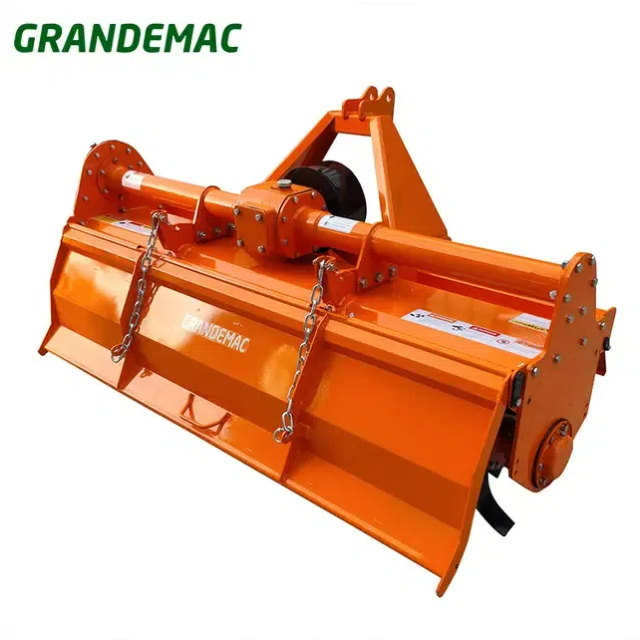
Common Problems and Step-by-Step Troubleshooting
Even well-maintained rotary cultivators can experience operational issues. Understanding the root cause allows for quick and effective fixes.
Excessive Vibration: Causes and Solutions
Excessive vibration often results from unbalanced flanges, worn bearings, or uneven tine wear. Start by inspecting blade balance and replacing or rotating worn tines. Check bearing condition and replace if necessary. Tighten loose bolts and flanges to ensure all rotating parts are aligned. Reducing vibration not only improves soil finish but also extends the life of the gearbox and driveline. Addressing vibration promptly prevents secondary damage, such as shaft misalignment or structural cracks.
Poor Tilling Depth or Uneven Finish
If the soil is not tilled evenly, consider adjusting skids, depth gauges, and PTO speed. Ensure that the tiller is correctly aligned with the tractor and that the machine moves at a consistent speed. Uneven soil can also result from bent tines or worn blades, so inspecting and replacing these components may be necessary for a uniform finish. In addition, verifying the tractor’s weight distribution and tire pressure can help achieve consistent ground contact and soil penetration.
Blades Clogging on Wet Residue
Rotary cultivators can clog when working in overly wet or sticky soil. If residue accumulates on blades, reduce tilling depth or switch to tines designed for heavy-duty or wet soil conditions. Keeping blades sharp and correctly positioned helps maintain consistent soil flow and prevents excessive strain on the PTO. Proper tilling speed adjustments during wet conditions also minimize residue buildup and protect both the machine and the soil structure.
Blade and Part Replacement: Choosing the Right Spare Parts
Selecting the correct blades and spare parts ensures optimal performance and reduces downtime.
When to Replace vs. Re-Sharpen Blades
Blades that are excessively worn, bent, or cracked should be replaced rather than re-sharpened. Using reinforced or wear-resistant blades extends the interval between replacements, especially under high-intensity operations. Regular inspection helps identify which blades can be maintained and which require replacement to sustain efficiency. Maintaining spare blades in stock ensures minimal downtime and allows for immediate replacement during peak cultivation periods.
Balancing Blades and Correct Installation Patterns
Proper installation of blades or tines according to the helix layout is essential for even tilling and reduced vibration. When replacing parts, follow manufacturer-recommended patterns to ensure optimal performance. Correct balancing improves soil turnover, reduces stress on the gearbox, and maintains a smooth, professional finish in cultivated fields. Periodically rechecking blade alignment ensures long-term operational consistency.
Safety Checks and Operator Tips
Safety is a crucial aspect of rotary cultivator operation. Regular checks protect operators and prevent costly accidents.
Protective Shields, PTO Safety, and PPE
Ensure all protective shields are securely in place before operation. PTO shafts should be fully guarded, and all driveline connections tightened. Operators should wear appropriate personal protective equipment, including gloves, safety boots, and eye protection. Safe transport involves securing the cultivator on trailers or implements to prevent tipping or accidental engagement. Following proper safety protocols reduces workplace injuries and equipment liability.
Sourcing Parts & Warranty/After-Sales Checklist
Maintaining a reliable supply of parts and keeping records supports both operational efficiency and warranty claims.
Keep a Detailed Parts List
Maintain an inventory of tines, flanges, gear oil, couplings, and other critical components. Knowing what to source from OEM suppliers versus aftermarket alternatives helps maintain quality and reliability. Using genuine parts ensures compatibility and longer lifespan, reducing future maintenance challenges. A detailed parts list also simplifies seasonal preparation and ensures your rotary cultivator is always ready for use.
Logging Service for Warranty Support
Document all maintenance, repairs, and part replacements. Detailed records facilitate warranty claims and provide insight into the frequency of replacements or common issues, enabling proactive maintenance planning. Logging service history also supports resale value and ensures continued support from Jiangsu Grande Machinery Manufacturing Co., Ltd. Accurate documentation is essential for both operational efficiency and long-term cost savings.
Conclusion
Proper maintenance and timely troubleshooting are essential to maximize the performance and lifespan of your rotary cultivator. Daily inspections, cleaning after use, seasonal gearbox service, and correct blade management prevent downtime and costly repairs. Jiangsu Grande Machinery Manufacturing Co., Ltd. provides durable, high-quality rotary tillers that deliver reliable performance when combined with regular maintenance and careful handling. For spare parts, guidance, or technical support, contact us today to ensure your rotary cultivator continues to perform at its best season after season, delivering excellent soil preparation and cultivation efficiency.


