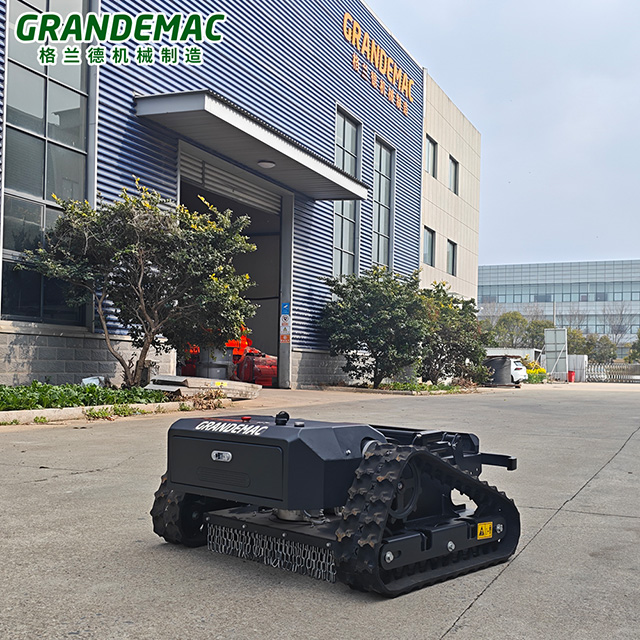
Clearing dense brush, thick saplings, and deeply rugged terrain pushes landscaping equipment to its absolute mechanical limits. These harsh, unpredictable environments place significantly higher stress on mechanical and electronic components than standard turf mowing. Thick branches strike the chassis repeatedly, while sticky plant sap clogs vital moving parts almost immediately. Failing to perform thorough post-job maintenance after heavy brush clearing quickly accelerates component failure.
Neglecting these critical post-job checks leads directly to severe engine overheating, sudden electrical breakdowns, and creates serious safety hazards for operators working nearby. We provide a highly transparent, extensively field-tested maintenance protocol for professional equipment operators and fleet managers alike. You will learn the exact, step-by-step procedures required to preserve your machinery after intense cutting sessions. We also guide you through properly evaluating equipment durability to ensure you select machines truly built for heavy-duty applications.
Key Takeaways
Debris Management is Critical: Sap, vines, and thick brush debris restrict cooling systems and blind sensors, leading to immediate performance drops.
Undercarriage Wear Esculates: Brush cutting increases the risk of track derailment and blade micro-fractures compared to standard mowing.
Proactive Inspection Lowers TCO: A 15-minute post-job teardown prevents overheating and costly motor replacements.
Hardware Selection Matters: Commercial-grade units, like the RM20 Remote Control Lawn Mower, feature accessible service points that reduce downtime.
The Reality of Heavy-Duty Brush Cutting: Mechanical Wear and Tear
Heavy brush clearing demands extreme mechanical output from every component. Operators routinely push their machines through incredibly thick thickets. They encounter hidden granite rocks, deeply rooted vines, and dense fallen branches. These unseen obstacles demand immense, immediate torque from the primary drive system. The continuous, heavy vibration rattles every mounting bolt, wire harness, and sensor bracket. Severe impact shocks transfer violent kinetic energy directly into the steel chassis. Standard residential turf mowing simply does not produce this extreme level of mechanical stress.
Effective maintenance requires establishing highly specific success criteria. You want to minimize any unexpected equipment downtime during active jobs. You must preserve long-term battery capacity and optimal engine health over years of service. You also need to maintain flawless remote connectivity integrity in rough, unpredictable areas. Sudden signal drops in highly dangerous terrain put operators at severe physical risk. A disconnected mower on a steep slope can easily roll out of control.
We must always remain completely transparent about true equipment limitations. Even the highest-end commercial mowers experience significantly accelerated wear in forestry or dense brush applications. Thick, woody brush inevitably degrades moving metal parts far faster than open grass. Rigorous daily maintenance heavily mitigates this harsh operational reality. It slows down the mechanical degradation process significantly, keeping machines in the field longer. However, regular maintenance does not eliminate wear entirely. You must strategically plan for routine part replacements and major seasonal overhauls.
Immediate Post-Job Clearing and Debris Removal
Cooling system clearance remains your absolute first priority after shutting down. High-load cutting through dense saplings generates massive amounts of trapped internal heat. Thick brush debris easily clogs essential air intakes and exhaust ports. You must remove built-up organic matter immediately to restore proper airflow. Clean the cooling fins on gas engines or electric drive motors thoroughly. Scrape away packed dirt blocking vital ventilation grills. Blocked cooling vents cause rapid, dangerous thermal throttling. Left unchecked, poor ventilation quickly becomes the primary cause of sudden motor failure. Excessive trapped heat destroys internal rubber seals and degrades synthetic lubricants rapidly.
Thorough deck and chassis cleaning actively prevents long-term structural corrosion. Dislodge deeply wrapped vines safely using heavy-duty pruning shears. Never pull stubborn, thick vines forcefully by bare hand. Aggressive pulling can easily rip out delicate sensor wires hidden underneath the deck. Fresh plant sap contains highly acidic natural compounds. These organic compounds corrode exposed metal and degrade rubber belts over time. Use high-pressure compressed air to blow out dry, powdery debris. Compressed air protects sensitive internal electronics perfectly. Using water requires extreme caution and careful preparation. Always verify your machine's exact IP water-resistance rating first. Never spray high-pressure water anywhere near battery compartments or receiver boxes.
Sensor and camera restoration ensures safe, reliable future deployments. Dirty, sap-covered sensors completely blind the machine's essential safety systems. Use a perfectly clean, soft microfiber cloth to wipe optical cameras. Wipe sensitive LiDAR lenses gently to avoid causing permanent micro-scratches. Clear proximity sensors of any sticky, lingering sap residue. We highly recommend using specialized electronic lens wipes for this delicate task. Proper, methodical cleaning ensures remote connectivity works flawlessly on the next deployment.
Inspecting Core Components: Blades, Tracks, and Powertrain
Blade and spindle integrity largely dictates your overall cutting efficiency. Inspect heavy blades carefully for dulling edges or deep metal gouges. Look closely for slight bending along the primary blade edge. Hitting a hidden, solid stump easily warps even heavy-duty steel blades. Operating warped, unbalanced blades creates severe cascading mechanical risks. An unbalanced blade spins unevenly at thousands of revolutions per minute. This imbalance creates excessive, violent vibration throughout the entire cutting deck. The uneven rotational force places extreme stress on internal housing mounts. This continuous vibration inevitably leads directly to premature spindle bearing failure. Once a bearing seal fails, dirt enters the mechanism rapidly. You should always replace compromised blades rather than attempting complex field repairs. Sharpening heavily gouged blades often removes too much steel from one side. This ruins the precise factory balance completely.
Track tension requires constant, vigilant monitoring after rough clearing jobs. Traversing highly uneven, stump-filled terrain stretches continuous rubber tracks constantly. Lateral forces push aggressively against the rubber treads on steep inclines. This twisting movement gradually loosens the primary tensioning system over a few hours.
Follow these practical, step-by-step logic checks to maintain proper tracks:
Park the machine on a completely flat, stable surface.
Lift the machine slightly using a properly rated service jack.
Measure the visible track sag halfway between the idler and main sprocket.
Compare your sag measurement against specific manufacturer specifications.
Tighten the main tensioner bolt carefully if sag exceeds normal limits.
Clear highly packed mud and loose gravel from all drive sprockets.
Debris buildup in the sprockets physically pushes tracks off their guide rails. Frequent clearing actively prevents dangerous track derailment during active operation.
Powertrain diagnostics keep the heavy machine running at peak performance. For gas or hybrid models, check engine oil levels consistently. Operating extensively on steep inclines often starves engines of crucial oil. Gravity pulls the fluid away from the internal pickup tube. Inspect primary air filters for heavy, choking dust accumulation. Tap the filter gently to dislodge trapped dirt particles. For fully electric models, check the outer battery housing for physical impact damage. Deep scratches or dents could indicate internal cell compression. Verify that all electrical terminal connections remain completely tight and secure. Continuous machine vibration easily rattles vital electrical nuts and bolts loose. Loose connections increase electrical resistance dramatically. High resistance generates excess heat at the terminals during operation. This heat can melt protective plastic casings over time.
Evaluating Machine Durability: The Shortlisting Logic
Smart hardware selection heavily influences your ongoing maintenance routine. You should strictly evaluate equipment based on overall maintenance accessibility. Look specifically for machines featuring quick, tool-less access panels. These convenient panels let operators clear trapped debris quickly in the field. Self-cleaning track designs actively push mud out automatically as they turn. This specific feature saves countless hours of tedious manual scraping.
The RM20 Remote Control Lawn Mower provides distinctly valuable advantages for professionals. Engineers designed it specifically from the ground up to handle dense brush. It features heavily reinforced, impact-resistant steel cutting decks. Thick physical shields protect sensitive wiring harnesses from violently snagging branches. Heavy-duty track tensioners actively resist loosening when operating on steep inclines. These targeted, intelligent engineering choices reduce necessary maintenance time drastically. Operators spend significantly less time wrenching and far more time cutting. Compare this directly to poorly retrofitted consumer mowers. Consumer models often require complete deck disassembly just to reach a snapped belt.
Commercial buyers managing multiple active units face unique scalability challenges. Effective fleet management absolutely requires smart parts standardization. You should standardize replacement components across your entire commercial fleet. Buying machines that share common blade sizes heavily reduces inventory headaches. Standardized drive belts and common air filters streamline routine garage servicing.
Machine Durability Evaluation Criteria
Engineering Feature
Primary Operational Outcome
Direct Maintenance Impact
Tool-less Access Panels
Enables faster field inspections between jobs
Reduces routine teardown time by nearly 50%
Protected Wiring Harnesses
Prevents unexpected thick branch snags
Virtually eliminates sudden electrical shorts
Self-Cleaning Track Designs
Maintains crucial traction in deep mud
Significantly lowers manual scraping requirements
Standardized Hardware Components
Simplifies complex garage inventory tracking
Speeds up routine fleet servicing dramatically
Conclusion
Rigorous, consistent post-brush-cutting maintenance remains absolutely non-negotiable for professionals. It directly dictates the long-term reliability and safety of your heavy equipment. Routine, detailed teardowns actively prevent catastrophic hardware failures out in the field. We heavily encourage commercial buyers to factor maintenance accessibility into their purchasing decisions. Always carefully review the technical specifications of true purpose-built machinery. A highly durable Remote Control Lawn Mower will always prioritize long-term field serviceability.
Follow these actionable next steps to protect your fleet:
Schedule a mandatory 15-minute debris clearing session immediately after every job.
Stock up heavily on standardized replacement blades, belts, and air filters.
Train your field operators on safe, accurate track tensioning procedures.
Inspect vital cooling systems thoroughly before the engine ever starts.
FAQ
Q: How often should I sharpen the blades when cutting heavy brush?
A: Brush cutting requires impact-dependent timelines for blade maintenance. We recommend performing a quick daily inspection. You should sharpen blades immediately after hitting hard debris like hidden rocks. Replace the blade entirely when you notice deep gouges or bending.
Q: Can I pressure wash my remote control lawn mower after a messy job?
A: You must always check your machine's IP water-resistance rating first. High-pressure water easily penetrates delicate receiver boxes and battery housings. We recommend using compressed air and a damp cloth instead. This safe cleaning alternative protects internal electronics perfectly.
Q: Why does my remote mower lose track tension after clearing sloped brush?
A: Steep inclines subject your machine to severe lateral forces. Gravity pulls the heavy chassis sideways against the continuous tracks. This immense physical pressure gradually loosens the tensioner bolts over time. You should check and adjust these bolts routinely.
Q: What are the signs that my mower's engine or motor was overworked during brush cutting?
A: Overworked machinery exhibits several clear warning signs. You might experience sudden thermal shutdowns during operation. Listen for unusual gear whining indicating excessive strain. Scorched smells often point to slipping belts or overheating motors. Electric models typically show rapid battery capacity drops.