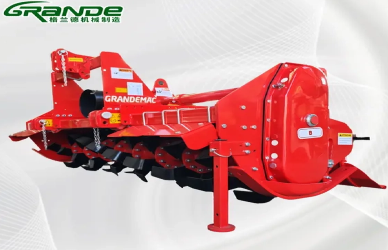
A rotary cultivator is a versatile and powerful piece of farming equipment that helps to prepare soil for planting, manage weeds, and improve soil health. It is particularly useful in large-scale farming operations, orchards, and vineyards, where soil preparation and aeration are critical. Deciding when to use a rotary cultivator involves understanding its capabilities and the specific needs of your soil, crops, and farming methods. This article will explore the various scenarios where a rotary cultivator is most effective.
1.Preparing Soil for Large-Scale Farming
Rotary cultivators are designed for large-scale farming and are commonly used in extensive fields to break up the soil and prepare it for planting.
Deep Tilling for Large Fields
When dealing with large farming operations, especially those that involve crops like wheat, corn, or vegetables, soil preparation is crucial. A rotary cultivator is ideal for deep tilling, which helps to break up compacted soil, creating a loose seedbed for planting. The rotating blades of the cultivator allow for deeper penetration into the soil compared to other tilling equipment. This is especially beneficial for preparing the soil in large fields before sowing crops.
Benefits of Deep Tilling with Rotary Cultivator | Explanation |
Loosens Compact Soil | Ensures the soil is less compact, promoting better root growth. |
Improves Water Infiltration | Helps water penetrate deep into the soil, improving irrigation efficiency. |
Creates Ideal Planting Conditions | Provides a smooth, aerated surface that is perfect for planting seeds. |
A rotary cultivator is perfect for large fields where deep tilling is required. It can quickly cover a vast area, making the task much more efficient compared to manual methods or smaller equipment.
Efficient Soil Aeration and Mixing
In large-scale farming, efficient soil aeration is necessary for healthy crop growth. The rotary cultivator’s blades work by breaking up the topsoil and mixing in organic matter, improving the overall soil structure. Soil aeration helps with water retention, nutrient distribution, and root penetration. In addition, the rotary cultivator mixes crop residue into the soil, which helps to improve soil fertility.
For large-scale farming, having a tool that can perform multiple tasks at once is crucial. The rotary cultivator not only loosens the soil but also helps incorporate organic matter like compost, plant residue, and fertilizer, providing a more fertile environment for plants to thrive.
2.Handling Compacted and Tough Soil
Compacted soil is a common issue that farmers face, especially in fields that have been repeatedly plowed or heavily trafficked by machinery. Compacted soil can lead to poor root growth, water runoff, and decreased plant yields. A rotary cultivator is an ideal solution to break through tough soil.
Breaking Through Hard Ground
Hard, compacted soil can be difficult to manage without the right equipment. While traditional tillers may not be effective on compacted ground, a rotary cultivator can break through hard ground by using its powerful rotating blades to penetrate deeper into the soil. This tool is particularly useful for preparing fields that have been left fallow or are in need of soil rejuvenation.
When hard soil is left untreated, it can form a crust that inhibits root development. The rotary cultivator's blades are specifically designed to break through this crust and make the soil more workable. By loosening the soil and making it easier for water and nutrients to reach plant roots, the rotary cultivator plays a vital role in improving soil conditions for crops.
Loosening Clay or Rocky Soil
Clay soil and rocky terrains present additional challenges for many tilling machines. Clay soil has a tendency to become dense and sticky, especially when wet. A rotary cultivator can help loosen and aerate clay soil, allowing for better drainage and root growth. In rocky soils, rotary cultivators with reinforced blades can cut through the earth, although large rocks may still cause damage to the equipment if they are not first cleared.
The efficiency of a rotary cultivator in dealing with tough soil types like clay or rocky terrain depends on its blade design and the tractor's horsepower. Some models of rotary cultivators are built with stronger, heavier blades, making them better suited to handle these types of soil.
3.Maintaining Orchards and Vineyards
Rotary cultivators are also ideal tools for orchard and vineyard maintenance, where soil management is critical to the health of trees and vines.
Narrow Row Cultivation
In orchards and vineyards, the space between rows of trees or vines is limited. A rotary cultivator can be used for narrow row cultivation, where precise and shallow tilling is required. Rotary cultivators with adjustable widths can easily fit between rows, loosening the soil without damaging the plants.
This precision is essential for orchards and vineyards because it helps maintain the health of the trees and vines while ensuring that the soil remains properly aerated and nourished. This method of tilling also helps to control weeds without disrupting the plants' root systems.
Maintaining Soil Health Around Trees and Vines
Soil health is a critical factor in the growth of fruit trees and grapevines. A rotary cultivator helps maintain soil fertility by aerating the soil and incorporating organic matter around the base of trees and vines. The tool can also be used to control weeds, which compete with plants for nutrients and water.
Maintaining healthy soil in orchards and vineyards is vital for achieving optimal fruit yields. The rotary cultivator helps to improve soil structure, enhance water retention, and provide nutrients to the plants by mixing in compost and other organic materials.
4.Incorporating Organic Matter
Organic matter is crucial for healthy soil, as it improves fertility, soil structure, and moisture retention. A rotary cultivator is an effective tool for mixing organic matter into the soil, making it an essential part of sustainable farming practices.
Mixing Crop Residue into Soil
A rotary cultivator is highly effective in mixing crop residue—such as leftover plant matter, stems, and roots—back into the soil. This helps to break down organic materials and return valuable nutrients to the soil, enriching it for future crops. Crop residue that is left on the surface can decompose and improve soil quality by adding vital organic material.
Enhancing Soil Structure and Nutrient Distribution
In addition to breaking down crop residue, the rotary cultivator improves soil structure by aerating the ground. This promotes better water infiltration and prevents soil compaction. When organic matter is mixed in with the soil, it enhances nutrient distribution, allowing crops to have better access to the nutrients they need for growth.
The ability to efficiently mix organic materials into the soil ensures that the soil remains healthy and fertile, which is essential for long-term sustainability in farming.
5.Managing Weeds and Shallow Soil Work
Weeds are one of the most common problems for farmers and gardeners alike. Weeds compete for nutrients, light, and water, making it essential to control them to ensure healthy crop growth. A rotary cultivator is a powerful tool for weed control and shallow soil work.
Effective Weed Control
A rotary cultivator is especially effective in controlling shallow-rooted weeds. The rotating blades cut into the soil and uproot weeds, preventing them from taking hold and spreading. Using a rotary cultivator for weed management can reduce the need for harmful herbicides, promoting a more sustainable approach to farming and gardening.
By aerating the soil and disturbing the weeds’ root systems, the rotary cultivator helps create a more fertile environment for crops to grow without the competition from weeds.
Shallow Tilling for Garden Beds
In smaller areas like garden beds, a rotary cultivator is perfect for performing shallow tilling. It helps to prepare the soil by loosening the top layer, which is ideal for planting seeds and nurturing young plants. Shallow tilling also helps to incorporate nutrients and organic matter into the soil, making it suitable for gardening in smaller spaces.
In garden beds, the ability to adjust the depth of tilling is crucial. A rotary cultivator allows for precise soil management, ensuring that delicate plants are not disturbed while still promoting optimal growth conditions.
Frequently Asked Questions (FAQ)
1. Can a rotary cultivator be used on soft, sandy soil?
Yes, rotary cultivators can be used effectively on soft, sandy soils. The blades will loosen the soil and help aerate it, preparing it for planting.
2. Can I use a rotary cultivator in small gardens?
Rotary cultivators are ideal for larger spaces, but smaller models are available for small gardens and can be used to prepare soil for gardening in compact areas.
3. How often should I use a rotary cultivator on my farm?
Typically, a rotary cultivator is used once per planting season or whenever deep tilling is necessary to prepare the soil for planting. It may also be used for ongoing soil maintenance.
4. Is a rotary cultivator effective for mixing compost into soil?
Yes, a rotary cultivator is highly effective for mixing compost and organic matter into the soil, enhancing its fertility and promoting healthy plant growth.
Conclusion
A rotary cultivator is a versatile and effective tool for a variety of farming and gardening applications. Whether you are preparing soil for large-scale farming, handling tough soil conditions, maintaining orchards, or incorporating organic matter into the soil, the rotary cultivator is designed to make your soil preparation tasks easier and more efficient.
When used correctly, it can provide a solid foundation for healthy crops, sustainable farming practices, and efficient land management. Understanding the ideal situations in which to use a rotary cultivator will help ensure the best results for your soil and crops.


