Many buyers purchase a residential mower primarily to cut grass. Soon, you face a common dilemma. You want to justify the machine by hauling yard waste, tools, or firewood. Most standard mowers feature a rear hitch plate. This suggests they can handle towing tasks easily. However, exceeding manufacturer load limits creates major problems. You can quickly destroy the transmission under heavy strain. Overloading also compromises your braking ability, creating serious safety hazards.
This guide explores the safe towing thresholds of these machines. We break down practical transport applications for your yard. You will discover essential hardware upgrades to improve daily performance. We also explain how to evaluate your workload accurately. You will learn exactly when your yard tasks demand heavier agricultural machinery instead of standard mowers.
Key Takeaways
Weight Limits: A safe baseline is to never tow a loaded weight exceeding the combined weight of the lawn tractor and the operator.
Transmission Variables: Gear-driven or heavy-duty hydrostatic transmissions handle towing heat significantly better than entry-level, sealed hydrostatic transaxles.
Tongue Weight Matters: Exceeding the standard 50-lb tongue weight limit can bend the rear frame or reduce front-wheel steering traction.
Scalability Check: Continuous hauling on sloped terrain or pulling loads exceeding 500 lbs usually necessitates stepping up to a sub-compact model or a 30HP orchard tractor.
Defining the Safe Load Capacity of a Lawn Tractor
Operators must understand exactly how weight interacts with their machine. You cannot just hitch a heavy load and drive away. Mechanical limits dictate safe operation.
Understanding Towing vs. Payload
You must clarify the difference between pulling weight and supporting weight. Towing refers to pulling weight on wheels. We call this rolling resistance. Ground friction dictates how hard the machine works to move the cart. Payload, or tongue weight, acts differently. Tongue weight pushes vertically down on the hitch. It forces the rear chassis toward the ground. High rolling resistance strains the transmission. High tongue weight damages the structural frame.
The "Rule of Half" and Weight Ratios
Industry professionals rely on a standard evaluation framework. Total towed weight should generally not exceed your machine's gross weight. Many mechanics suggest the "Rule of Half" for residential machines. You should restrict towed loads to half the machine's total weight for maximum safety. If your mower weighs 500 pounds, limit your towed cart to 250 pounds. This ratio preserves your chassis and protects your brakes.
Transmission Vulnerabilities
Heat destroys hydraulic systems. Entry-level hydrostatic transmissions often use sealed units. They lack external oil coolers or serviceable filters. Continuous torque loads generate immense internal friction. This friction heats the hydraulic fluid rapidly. Overheated fluid loses viscosity. It cannot transfer power efficiently, leading to immediate transmission slip. Eventually, the internal pumps fail entirely.
We must contrast these sealed units with ground-engaging models. Garden tractors utilize heavy-duty transaxles like the K66 series. These robust transaxles hold more fluid. They dissipate heat effectively. They handle continuous pulling tasks without premature failure.
Incline Factors
Hills change the towing physics completely. Towing capacities decrease exponentially on slopes. Gravity pulls your cart backward down the hill. This force removes traction from your rear tires. Your transmission works twice as hard to maintain forward momentum. Downhill travel is equally dangerous. A heavy cart pushes you forward, eliminating your braking control. You should reduce your maximum load by at least fifty percent when operating on inclines.
Proven Light Transport Use Cases for Lawn Tractors
A residential mower transforms into a versatile utility vehicle when used correctly. You just need to match the task to the machine.
Yard Carts and Material Handling
You can haul mulch, topsoil, or firewood easily. Standard poly or steel dump carts work best for these jobs. They typically offer a 300 to 500-pound capacity. Poly carts resist rust and clean up quickly. Keep loads level and balanced over the cart axle. This prevents excessive tongue weight on your hitch.
Lawn Care Attachments
Your mower excels at pulling specific turf attachments. Tow-behind aerators, broadcast spreaders, and leaf sweepers fit perfectly. These tools utilize low-resistance, continuous-pull dynamics. They do not dig deeply into the soil. They trail lightly across the grass surface. The transmission handles this steady, light resistance without overheating.
Recreational and Utility Trailer Parking
Many homeowners use their mowers to maneuver empty utility trailers. You can carefully push small boats into tight driveways. Front or rear hitch attachments make this maneuvering simple. However, you must observe strict limits here. Do this only on flat, paved, or hard-packed surfaces. Soft dirt will trap the tires immediately. Do not attempt to move heavy RVs or loaded cargo trailers. The frame will buckle under the massive tongue weight.
Table 1: Transport Application Capability Matrix
Application Type
Typical Load Range
Resistance Level
Recommended Surface
Poly Dump Carts
300 - 500 lbs
Medium
Flat grass or packed dirt
Broadcast Spreaders
50 - 150 lbs
Low
Any turf surface
Plug Aerators
100 - 250 lbs
Medium-High
Moist turf (avoid slopes)
Empty Utility Trailers
400 - 800 lbs
Low (Rolling)
Paved concrete/asphalt only
Essential Hardware and Upgrades for Safe Towing
Factory configurations often lack the strength for frequent transport tasks. You can upgrade specific components to protect your equipment.
Hitch Upgrades
Most mowers feature a simple stamped-steel hole on the rear plate. This thin metal bends easily under stress. You should move to an aftermarket reinforced hitch plate. These thick steel plates distribute weight across the frame. You can also install a bolt-on ball mount. This provides a secure connection for standard trailer couplers. It prevents the cart pin from tearing through the factory steel.
Traction Management
Standard turf tires protect your grass. However, they slip instantly during pulling tasks. You need better grip for transport chores. Switch to lug or AG tires for aggressive tread. They bite into soft ground and push the machine forward. You can also add tire chains for loose-soil transport. Chains deliver excellent traction when pulling heavy aerators across wet grass.
Counterbalancing
Heavy tongue weight creates a fulcrum effect. It pushes the rear down and lifts the front tires. Front-wheel steering traction vanishes immediately. You lose control of the machine. Counterbalancing fixes this dangerous dynamic. Add front wheel weights to keep the tires planted. You can also bolt suitcase weights to the front bumper. This restores steering geometry and keeps you safe.
Best Practices for Hardware Upgrades:
Inspect your rear frame for existing stress cracks before adding reinforced plates.
Check tire clearance before installing thick AG tires or steel chains.
Remove front suitcase weights when you finish towing to reduce steering linkage wear.
Lubricate your hitch pins to prevent metal-on-metal galling during tight turns.
When to Upgrade: Lawn Tractor vs. 30HP Orchard Tractor
You will eventually outgrow light-duty equipment as your property demands increase. Recognizing this transition saves you money and prevents catastrophic breakdowns.
Business and Operational Problem Framing
How do you identify when tasks graduate into heavy-duty requirements? Light transport involves weekend mulch runs. Heavy landscaping involves moving wet gravel daily. If you constantly worry about breaking your mower, your needs have escalated. Continually maxing out a residential machine guarantees downtime.
Feature-to-Outcome Comparison
You must compare equipment features against your desired outcomes.
Standard Mowers: A standard lawn tractor remains ideal for flat residential lots. It handles occasional firewood hauling beautifully. It offers a tight turning radius around delicate landscaping. It cuts grass efficiently and pulls light spreaders without issue.
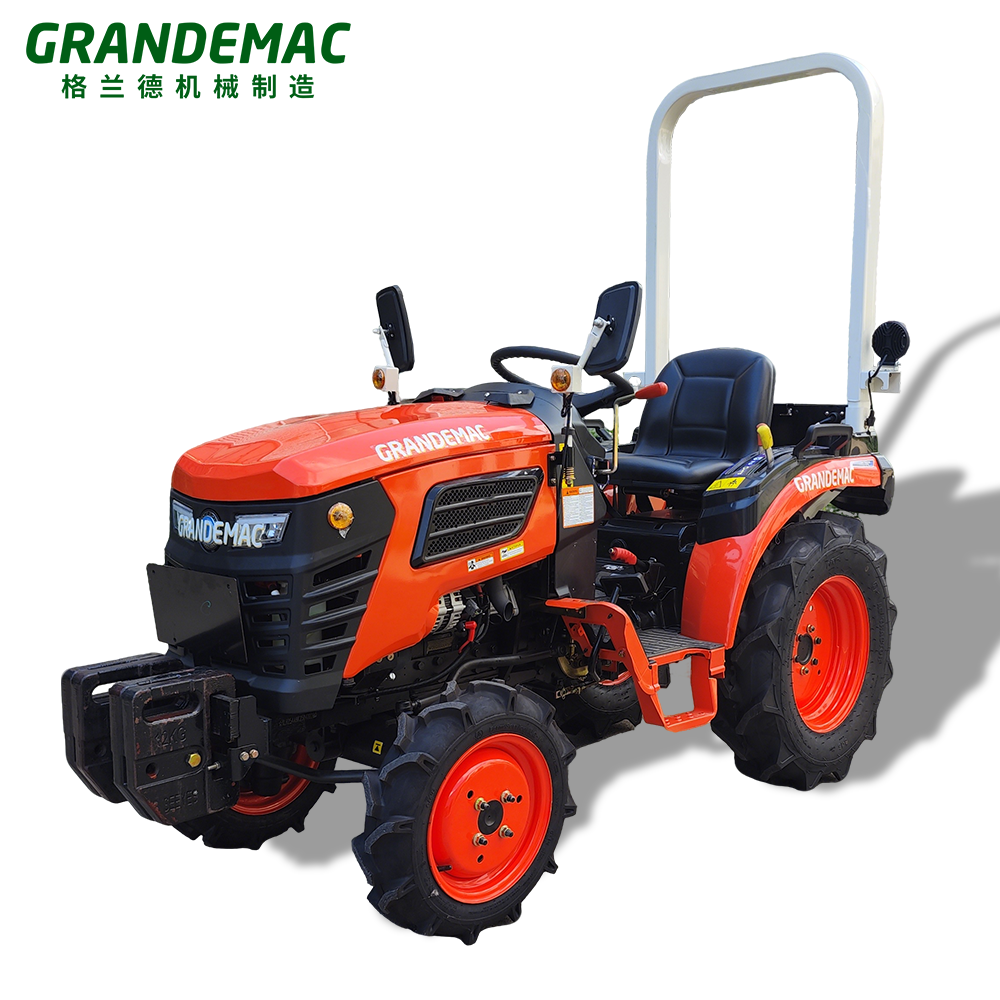
Agricultural Machines: A 30HP Orchard Tractor changes your capabilities entirely. It comes built with a robust PTO and a three-point hitch. You get massive diesel torque. Heavy cast-iron axles replace thin steel frames. It is designed for constant ground-engaging work. It easily hauls heavy sprayers and moves loaded trailers through muddy, rutted terrain.
Longevity Considerations
Overworking a residential mower voids warranties immediately. Manufacturers spot abuse through warped frames and burnt belts. Investing in a heavier tractor mitigates long-term repair costs. A diesel machine survives continuous heavy transport. It absorbs daily abuse without flinching. You avoid the frustrating cycle of replacing blown hydrostatic transaxles every season.
Operational Risks and Best Practices for Transport Tasks
You must adopt safe driving habits when hauling any load. Physics act differently when you add hundreds of pounds to your hitch.
Braking Dynamics and Jackknifing
Braking causes the most accidents during transport tasks. A heavy cart pushes the mower downhill relentlessly. Residential brakes cannot stop heavy rolling momentum quickly. Jackknifing occurs when the cart pushes the rear of the mower sideways. You must always brake in a straight line. Never brake mid-turn on a slope. If you start sliding, keep the steering wheel straight. Let the machine slow down naturally.
Heat Management
You must monitor your transmission temperature actively. Heat acts as a silent killer for hydrostatic units. Advise operators to listen for hydrostatic transmission "whine." A loud whining noise indicates fluid cavitation and overheating. Stop immediately if you hear this sound. Allow the transaxle to cool for thirty minutes during extended hauling sessions. Park in the shade and leave the engine idling briefly to circulate air.
Warranty and Compliance Restrictions
Manufacturers enforce strict limits on their equipment. Remind users to check the owner’s manual for specific towing limits. Warranties are strictly voided by visible signs of overloading. Dealers easily spot warped hitch plates. They look for burnt drive belts and scorched hydraulic fluid. Follow the manual precisely to keep your warranty intact.
Common Mistakes to Avoid:
Towing loads across steep hillsides horizontally, risking rollovers.
Connecting tow straps to the rear axle instead of the designated hitch plate.
Running the machine at low RPMs while towing, which reduces cooling fan speeds.
Leaving the mower deck engaged while transporting heavy material carts.
Conclusion
A standard mower operates as a highly capable multi-tool for light, flat-ground transport. It serves you well when operated strictly within its structural and thermal limits. You can move mulch, aerate lawns, and organize small trailers safely. You just need to respect the physics of towing and payload.
We recommend readers weigh their equipment and review their specific transaxle model specifications today. Audit your typical hauling tasks before purchasing heavy attachments. If you constantly haul heavy loads across slopes, consider upgrading. Moving to heavier agricultural machinery ensures safety and prevents expensive mechanical failures.
FAQ
Q: Can I pull a car with my lawn tractor?
A: No. Even if the tractor can momentarily move the vehicle, the transmission will suffer immediate, irreversible stress. The hydraulic pumps will overheat instantly. Furthermore, the mower’s brakes cannot stop a car's momentum, creating a severe crushing hazard.
Q: What happens if I exceed the tongue weight on my lawn tractor?
A: The front wheels will lift or lose traction completely. This eliminates your ability to steer the machine. It can also permanently bend the rear chassis, tear the hitch plate, and destroy the transaxle housing.
Q: Are zero-turn mowers better or worse for towing than lawn tractors?
A: Worse. Zero-turns use independent dual wheel motors that are highly sensitive to towing stress. Their steering dynamics make hauling unstable compared to standard mowers. Towing with a zero-turn often causes erratic jerking and rapid hydrostatic motor failure.
Q: How should I transport my lawn tractor to a job site?
A: Use a dedicated utility trailer with a fold-down ramp. Ensure the tractor is secured using four-point ratchet tie-downs. Always secure the heavy structural frame. Do not strap down the mowing deck or steering components to meet DOT transport safety standards.