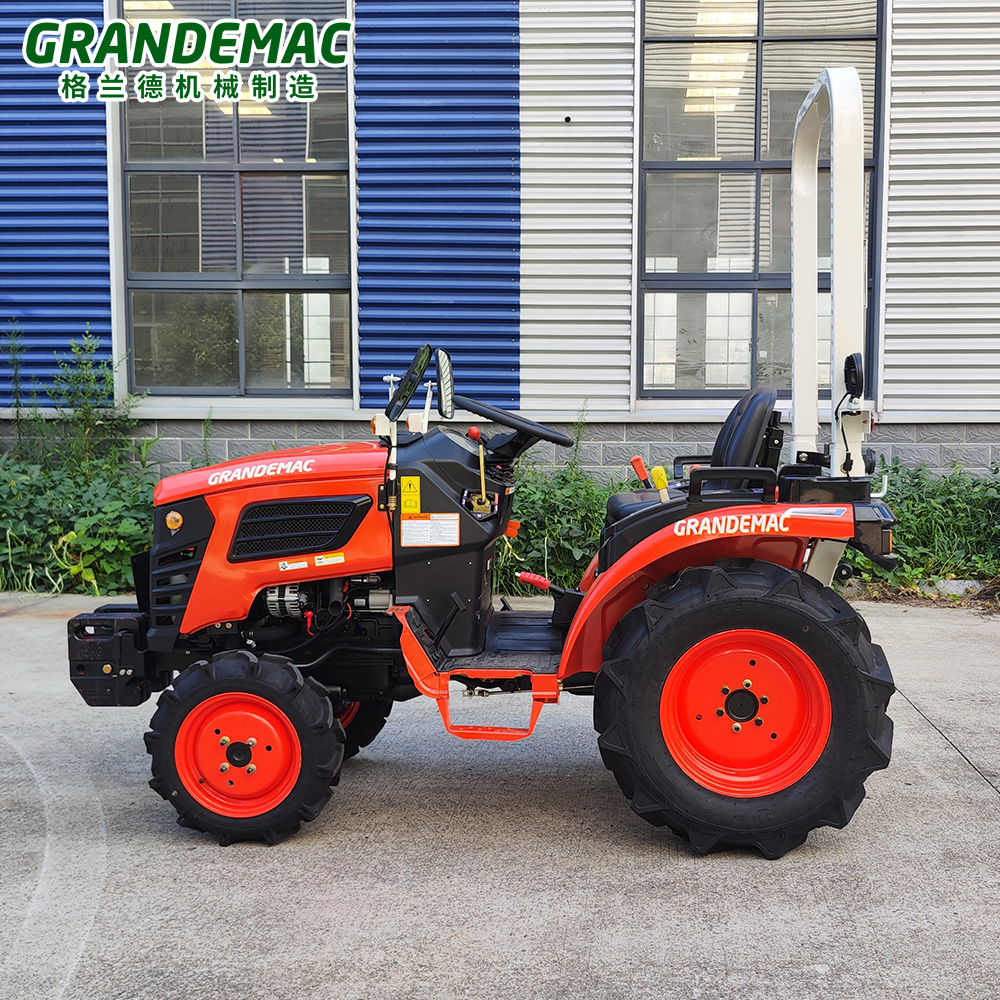
Soil preparation heavily dictates the pace of your entire agricultural cycle. Traditionally, farmers find it demands immense time. It also consumes vast amounts of diesel fuel.
Multi-pass tillage systems rely on separate, distinct stages. You plow the field first. Then you disc it. Finally, you harrow it. This repetitive cycle drives up operational hours. Repeated tractor passes also increase soil compaction heavily. Furthermore, they delay tight planting schedules significantly.
Coupling a rotary tiller to a properly sized tractor solves these issues. It creates a powerful single-pass primary and secondary tillage solution. This setup leverages Power Take-Off (PTO) mechanics beautifully. It optimizes soil pulverization immediately. It chops crop residue effectively. It slashes field turnaround time dramatically. You will learn the exact mechanical advantages below. We will explore equipment sizing rules. You will also discover best practices for managing different soil types.
Key Takeaways
Single-Pass Efficiency: A wheel tractor with rotary tiller combines primary and secondary tillage, reducing field passes by up to 50% compared to traditional plow-and-disc methods.
Optimal Power Transfer: Efficiency relies on matching the tractor’s PTO horsepower to the tiller’s working width and gearbox rating.
Residue Management: The active rotation of tiller tines provides superior chopping and incorporation of weeds and cover crops into the soil matrix.
Operational Constraints: While highly efficient in loamy and sandy soils, aggressive rotary tilling requires careful depth management to prevent hardpan formation, particularly in heavy clay.
The Mechanics of Single-Pass Tillage
Direct PTO drive functions completely differently than traditional draft pulling. Draft implements rely entirely on traction. The tractor must physically drag a heavy, passive tool through the dirt. If the ground gets slightly wet, tires spin. You lose momentum immediately. You waste fuel fighting friction.
PTO mechanics reverse this dynamic entirely. The tractor's engine sends power backward through a spinning shaft. This directly powers the tiller's gearbox. The sequence of power transfer happens in three distinct stages:
The PTO shaft rotates at a constant high speed, typically 540 RPM.
The central gearbox reduces this speed while multiplying torque.
The side drive transfers this massive torque to the rotor shaft, spinning the blades forward.
The tiller blades spin rapidly. They bite into the earth aggressively. As they strike the soil, they physically push the implement forward. This pushing force transfers straight to the tractor chassis. It actively propels the machine forward. You eliminate wheel slip almost entirely. Because traction demand drops, a smaller wheel tractor can perform work previously requiring a much larger machine.
Consolidation of Field Operations
Separate passes waste valuable daylight. A moldboard plow turns the soil over, leaving massive clods. A disc harrow then breaks those clods. A drag harrow finally levels the surface. You drive over the same field three times.
A properly configured rotary tiller tractor eliminates this sequence completely. The high-speed tines shatter the earth continuously. They mix organic matter thoroughly. They leave a fluffy, aerated profile behind. You complete primary and secondary tillage simultaneously.
Seedbed Uniformity
Adjustable rear trailing boards play a crucial role in seedbed perfection. As soil exits the tiller housing, it strikes the trailing board. The board shatters any remaining clods instantly. It also levels the disturbed earth perfectly. You achieve a standardized, plant-ready seedbed in just one pass. You create optimal seed-to-soil contact immediately.
Quantifying Efficiency: Time, Fuel, and Labor Reductions
Evaluating tillage efficiency requires looking closely at fuel and labor consumption. Multi-pass passive implements burn immense amounts of fuel through traction loss. Conversely, an active rotary tiller utilizes fuel highly efficiently through direct power transfer.
Tillage Method Efficiency Comparison
Efficiency Metric
Multi-Pass (Plow + Disc)
Single-Pass (Rotary Tiller)
Field Passes Required
3 to 4 passes
1 pass
Fuel Consumption Rate
High (Due to heavy draft loads)
Optimized (PTO-driven momentum)
Soil Compaction Risk
High (Multiple wheel tracks)
Low (Reduced field traffic)
Residue Breakdown
Slow (Leaves large pieces)
Fast (Chops organic matter finely)
Fuel Consumption Metrics
You run the tractor at a very slow ground speed. However, the engine runs at high RPM to power the PTO properly. This sounds fuel-intensive at first. Yet, a single slow-speed pass uses significantly less cumulative fuel per hectare. You avoid pulling heavy draft loads across the field three separate times.
Labor Hour Optimization
Operators spend much less time in the cab. You cut total field time drastically. You meet tight weather windows easily. If a rainstorm approaches quickly, you can prep and plant your acreage much faster. Consolidating operations keeps your schedule entirely on track.
Crop Yield Correlations
Thorough chopping accelerates residue breakdown perfectly. The tines act like a blender. They chop cover crops into tiny fragments. Soil microbes access this chopped organic matter much faster. This uniform aeration accelerates nutrient availability for the next planting cycle. Better soil health directly correlates to stronger root development and higher overall crop yields.
Equipment Sizing and Compatibility Framework
You must match your tractor to the implement correctly. Improper sizing destroys gearboxes. It also overheats engines. Industry standard evaluation metrics dictate strict horsepower rules for active implements.
Matching HP to Working Width
You need approximately 25 to 30 PTO horsepower per meter of tiller width. This ratio depends heavily on soil density. A two-meter tiller requires roughly 50 to 60 PTO HP. Do not confuse engine HP with PTO HP. Engine HP is always higher. Always consult the implement's minimum PTO rating. If you undersize the tractor, the engine will stall during deep tillage.
3-Point Hitch Requirements
You must match hitch categories exactly. Category 1 fits smaller implements. Category 2 handles larger, heavier units. A wheel tractor with rotary tiller requires proper front ballast. A tiller represents a massive rear load. If you raise the 3-point hitch, the front tires might lift off the ground. You lose steering control entirely. Add front suitcase weights to counter this rear load safely.
Transmission Considerations
Ground speed control remains critical for rotary tillers. You need high PTO RPMs, usually 540 RPM. However, you need very slow forward movement simultaneously. Standard gear transmissions often move too fast in first gear. The tiller bogs down.
Creeper Gears: Provide ultra-low ground speeds while maintaining maximum engine RPM.
Hydrostatic Transmissions: Allow infinite speed adjustment via foot pedals. They let you adjust pace instantly based on soil density.
Common Mistake: Never slip the clutch to slow down a gear-driven tractor. You will burn the clutch plates out in a single afternoon.
Application Realities: Soil Types and Risk Mitigation
Rotary tillers deliver incredible results in specific environments. However, they can damage soil structure if used improperly. You must understand your soil composition before deploying active tillage.
Where It Excels
Peak performance occurs in loamy and sandy-loam soils. You can incorporate thick cover crops flawlessly. Vegetable beds require fine, fluffy soil profiles. The high-speed tines provide exactly this texture. The pulverized dirt allows delicate vegetable seeds to germinate evenly.
Limitations and Skeptical Considerations
Heavy clay soils present severe challenges. If you operate in wet clay, you risk smearing the subsoil. The rotating blades act like trowels. They create a slick, impenetrable layer underneath. Roots cannot pierce this glazed surface. Water pools above it. Never till heavy clay when it is overly wet. Wait for optimal moisture levels.
The hardpan effect represents a genuine long-term risk. Repeated tilling at the exact same depth compacts the soil heavily. The downward pressure of the tines creates a dense plow pan just below the working depth. Over years, this hardpan severely restricts root growth. We recommend periodic subsoiling. Run a deep ripper tool through the field every few seasons. This shatters the compacted pan effectively.
Rocky terrain destroys standard equipment. Standard L-shaped tines bend against large stones. The gearbox suffers massive shock loads. If you farm rocky soil, you need specialized blade designs. C-shaped tines slide past obstacles more gracefully. You also must utilize robust driveline protection.
Equipment Maintenance and Component Longevity
Active implements require disciplined maintenance. High-speed rotation generates friction. Friction destroys bearings and gears if left unmanaged. Proper servicing prevents catastrophic failures during peak planting seasons.
Driveline Protection
Rocks and hidden stumps stop tillers instantly. This sudden stoppage sends a massive torque spike up the PTO shaft. You must protect the driveline. You have two primary options: shear pins or slip clutches.
A shear pin breaks upon severe impact. It disconnects power immediately. You must stop the tractor, climb out, and replace the pin manually. A slip clutch uses specialized friction plates. It slips automatically during an overload. Once the obstruction clears, it engages power again smoothly. We highly recommend slip clutches for reliable commercial use. They protect the PTO and tiller gearbox from sudden impact loads constantly without stopping your workflow.
Wear Parts Management
Tines wear out steadily over time. Sandy soil acts like aggressive sandpaper. It grinds metal away quickly. You must track wear patterns actively.
L-Shaped Tines: Provide superior undercutting. They lift the soil well and create excellent seedbeds. However, they consume more horsepower.
C-Shaped Tines: Penetrate hard ground easily. They handle heavy, wet residue better. They require less horsepower overall.
Monitor your tines closely. Replace them when they lose their distinct shape. Operating with worn, rounded tines wastes fuel and leaves clumps in the soil.
Routine Servicing
You must follow strict service intervals. Gearbox oil changes are completely non-negotiable. Metal shavings accumulate during the initial break-in period. Drain the factory oil after the first 50 hours of use. Refill it with heavy gear lube based on manufacturer specs. You must also lubricate rotor bearings daily. Grease the PTO shaft universal joints before every single shift. These simple habits prevent massive downtime.
Conclusion
A single-pass tillage approach delivers immense operational value. The core efficiency of this setup stems directly from time savings. You achieve superior seedbed quality in fewer passes. You burn less diesel fuel per hectare. You reduce soil compaction by minimizing field traffic.
Audit your operation carefully before selecting an implement. Check your primary soil type closely. Verify your available PTO horsepower precisely. Understand your specific crop root requirements. These factors dictate your ideal tiller configuration perfectly.
Take action before the next planting season. Consult with a specialized equipment dealer. Ask to review specific PTO dyno tests for your tractor model. Check implement weight charts to ensure safe lifting. Confirm local parts availability for replacement tines and bearings. Upgrading your tillage strategy today secures better field performance tomorrow.
FAQ
Q: How much horsepower does a wheel tractor need to run a rotary tiller effectively?
A: It generally requires 25-30 PTO HP per meter (39 inches) of tiller width. Heavy clay soils or deep tilling depths will increase this requirement. Always consult the implement’s minimum PTO HP rating, not just the tractor's engine HP. Proper matching prevents bogging down the engine and ensures efficient soil pulverization.
Q: Can a rotary tiller tractor setup replace a plow entirely?
A: For shallow-rooted crops and seedbed preparation, yes. However, for deep soil fracturing or breaking virgin ground, you still need a moldboard plow or subsoiler first. A rotary tiller excels at secondary tillage and mixing residue. It cannot break deep compaction layers effectively on its own.
Q: What is the best ground speed for a wheel tractor with rotary tiller?
A: Efficiency is found at low ground speeds (typically 1 to 3 mph) combined with high PTO RPM (usually 540 RPM). This ensures maximum soil pulverization without bogging down the engine. Using a creeper gear or hydrostatic transmission helps maintain this balance perfectly across varying field conditions.
Q: Does rotary tilling cause soil compaction?
A: While the single-pass nature reduces tractor wheel traffic, the tiller blades themselves can create a hardpan layer just below the tilling depth. This occurs if you use it repeatedly at the exact same depth over multiple seasons. Periodic subsoiling helps break up this compacted layer effectively.