Rotary cultivators are essential tools in modern farming, offering deep tilling, soil aeration, and effective crop bed preparation. However, like any piece of machinery, they are subject to wear and tear, and can encounter various operational issues over time. Understanding the common problems that arise with rotary cultivators can help prevent downtime and ensure optimal performance. This article will cover the typical problems faced by users and provide solutions to address them.
1.Difficulty in Cutting Through Hard Ground
One of the main challenges when using a rotary cultivator is the difficulty in cutting through hard or compacted soil. While rotary cultivators are powerful tools, they may struggle with certain soil conditions that hinder their performance.
Inadequate Tractor Power
The power of the tractor that drives the rotary cultivator plays a significant role in its ability to break through tough ground. If the tractor's horsepower is too low, it may not provide enough torque to rotate the blades efficiently, especially in compacted or dense soil. In such cases, the cultivator might not penetrate the soil properly, resulting in ineffective tilling.
Factor | Effect on Performance |
Low Tractor Power | Insufficient torque prevents the cultivator blades from penetrating hard soil. |
High Tractor Power | Adequate power ensures effective soil penetration and deeper tilling. |
To address this issue, it's important to ensure that the rotary cultivator is paired with a tractor that provides sufficient power for the task. Checking the tractor's specifications and matching them with the requirements of the cultivator will help maximize performance.
Blade Design Issues
The design of the blades is another critical factor in determining how effectively a rotary cultivator can cut through hard ground. Some rotary cultivators come with blades that are not designed for deep tilling or tough soil. If the blades are too shallow or made from softer materials, they can wear out quickly or fail to break through compacted soil.
Choosing a cultivator with reinforced blades or heavy-duty blade design can solve this issue. These blades are designed to withstand the stress of tougher soil and maintain sharpness for longer periods.
2.Rotary Cultivator Not Starting
A common problem many users face is their rotary cultivator failing to start. This can be due to a range of issues, from fuel problems to electrical system failures.
Battery or Fuel Problems
If the cultivator is not starting, the first thing to check is the fuel supply. The fuel tank should be filled with fresh fuel, as old or contaminated fuel can cause starting issues. Additionally, issues with the battery or fuel system can also prevent the cultivator from starting.
Common Issues | Solution |
Old Fuel | Replace with fresh fuel and ensure fuel lines are clear. |
Battery Problems | Check the battery for charge and corrosion; replace if necessary. |
To avoid fuel-related issues, make sure the fuel is clean and fresh. Additionally, if the cultivator has a battery, ensure that it is charged and that the terminals are free from corrosion. Regularly cleaning the fuel system and battery connections will improve reliability.
Electrical System Failures
Electrical system failures are another potential cause for a rotary cultivator not starting. Faulty wiring, a damaged ignition switch, or a malfunctioning spark plug can prevent the cultivator from starting. A thorough inspection of the electrical system should be conducted regularly to detect any issues before they cause a failure.
To avoid electrical problems, regularly check the wiring and electrical components for any signs of damage or wear. Replacing faulty parts and maintaining clean connections will help ensure reliable starting performance.
3.Uneven Tilling and Poor Soil Mixing
Rotary cultivators are designed to provide consistent tilling and soil mixing. However, uneven tilling is a common issue that may arise, leading to poor seedbed preparation.
Inconsistent Depth Adjustment
One of the causes of uneven tilling is improper depth adjustment. Many rotary cultivators allow users to adjust the depth of tilling, but if the settings are not calibrated correctly, the blades may not penetrate the soil evenly. This can result in uneven mixing and inconsistent soil preparation, which can affect plant growth.
Issue | Effect |
Shallow Tilling | Causes uneven soil coverage and poor aeration. |
Deep Tilling | Can damage roots and disrupt soil structure. |
To solve this problem, it is important to regularly check and adjust the tilling depth based on the soil conditions. If the cultivator is struggling to reach an appropriate depth, making multiple passes at varying depths may help achieve better soil consistency.
Clogging of Blades or Tines
Another issue that can lead to poor soil mixing and uneven tilling is the clogging of blades or tines. Debris such as roots, rocks, or thick vegetation can get tangled in the blades, reducing the cultivator's effectiveness and causing it to miss areas of soil. Over time, this can lead to poor soil mixing and a lack of uniformity in tilling depth.
To prevent clogging, regularly clean the blades and tines of the cultivator. Removing debris during operation or after use will ensure that the machine continues to work efficiently and provides even tilling.
4.Excessive Vibration
Excessive vibration is another common problem faced by rotary cultivator users. While some level of vibration is expected during operation, excessive shaking can make the machine uncomfortable to use and lead to mechanical issues over time.
Loose or Damaged Parts
Loose or damaged parts can cause excessive vibration in the rotary cultivator. Over time, bolts, nuts, and other components can become loose due to wear and tear or improper maintenance. This can cause parts to rattle or shake, leading to poor performance and discomfort during operation.
Cause | Solution |
Loose Bolts | Tighten all bolts and screws, particularly around the blades. |
Damaged Components | Replace worn or damaged parts to reduce vibrations. |
To resolve this, regularly inspect the cultivator for any loose or damaged parts. Tightening bolts and replacing damaged components will reduce vibrations and improve the overall stability and performance of the machine.
Unbalanced Blades
Another cause of excessive vibration is unbalanced blades. If the blades are worn unevenly or not properly aligned, they can create an imbalance that results in excessive shaking during operation. This can reduce the efficiency of the cultivator and cause unnecessary strain on the machine.
To fix this issue, ensure that the blades are in good condition and properly aligned. Regularly check for wear and tear and replace or sharpen the blades as necessary to maintain balance and reduce vibrations.
5.Wear and Tear on Blades
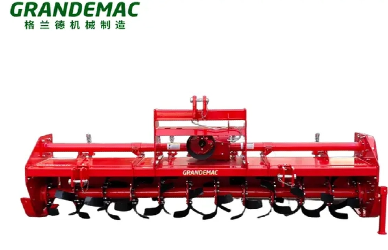
Blades are one of the most critical components of a rotary cultivator. Over time, the blades can wear down, especially if they are used on tough soil or rocky terrain. This can affect the performance of the machine and reduce its ability to break through soil effectively.
Frequent Blade Dullness
Frequent use of a rotary cultivator on tough soil can result in the blades becoming dull. Dull blades are less effective at cutting through soil, leading to poor tilling performance and uneven soil mixing. If the blades are not sharpened regularly, the cultivator may struggle to maintain its full potential.
Issue | Solution |
Dull Blades | Regularly sharpen or replace the blades to maintain optimal performance. |
Worn Edges | Replace blades once they show significant wear. |
To prevent this issue, regularly sharpen the blades or replace them if they show significant wear. Keeping the blades sharp ensures that the rotary cultivator can cut through soil efficiently and perform at its best.
Premature Blade Damage
In addition to dullness, blades can become damaged due to exposure to rocks, heavy soil, or improper maintenance. Premature blade damage can cause the cultivator to lose its effectiveness and potentially lead to costly repairs.
To avoid premature damage, always inspect the blades before use and remove any debris or rocks from the work area. Using the rotary cultivator on excessively tough ground without proper maintenance can lead to broken blades, which should be replaced promptly.
6.Maintenance and Cleaning Issues
Proper maintenance and cleaning are crucial for keeping a rotary cultivator in optimal working condition. Neglecting regular maintenance can lead to a buildup of debris and a reduction in performance.
Difficulty in Cleaning Clogged Parts
Rotary cultivators are often exposed to dirt, soil, and organic debris, which can clog up various parts of the machine. Clogged components can reduce efficiency and cause parts to wear out prematurely. Cleaning the machine after each use is essential to ensure that it continues to operate effectively.
Inadequate Lubrication
Lubrication is key to reducing friction between moving parts and preventing wear. Inadequate lubrication can cause parts to seize up or wear down faster, leading to costly repairs. Ensuring that all moving parts are properly lubricated before and after each use is essential for maintaining the longevity of the cultivator.
Frequently Asked Questions (FAQ)
1. What causes a rotary cultivator to lose power during use?
Loss of power can be due to issues like clogged air filters, dirty fuel lines, or insufficient fuel. Make sure the air filter is clean and the fuel lines are clear.
2. How can I prevent my rotary cultivator from clogging?
Regularly clean the blades and ensure the soil is not overly dry or too full of organic matter. Maintaining proper moisture levels helps prevent clogging.
3. What should I do if my rotary cultivator shakes excessively?
Check for loose bolts, damaged blades, or unbalanced components. Tighten the bolts and replace or repair any worn parts to reduce excessive vibration.
4. Why is my rotary cultivator not starting, even when fuel is available?
The problem could be a faulty spark plug, clogged carburetor, or fuel line issue. Check and clean the spark plug, inspect the fuel system, and ensure everything is connected properly.
 Conclusion
Rotary cultivators are powerful tools that can significantly improve soil preparation and crop management. However, like any piece of machinery, they are subject to wear and tear and can encounter various operational issues. By understanding the common problems, such as difficulty with hard ground, uneven tilling, excessive vibration, and wear on blades, users can take proactive steps to address these issues. Regular maintenance, proper cleaning, and timely repairs will ensure the rotary cultivator performs optimally and serves for many years.


