A well-manicured lawn is the pride of many homeowners, and the key to achieving that perfect cut lies in the sharpness of your lawn mower blades. Dull blades can tear grass rather than cut it cleanly, leading to a lawn that appears ragged and unhealthy. Understanding lawn mower blade maintenance is essential for anyone looking to maintain a pristine yard. This guide delves into the importance of sharp blades, the tools required for sharpening, and a step-by-step approach to keeping your mower in top condition.
The Importance of Sharp Blades
Sharp blades are crucial not just for aesthetic reasons but also for the health of your grass. When blades are dull, they rip and pull at the grass blades rather than slicing them cleanly. This tearing can make the grass more susceptible to diseases and pests. Moreover, mowing with dull blades can strain your farm tractor mower, leading to increased fuel consumption and potential engine wear.
Impact on Grass Health
Clean cuts from sharp blades heal faster, reducing the vulnerability of grass to fungal infections and insect infestations. Studies have shown that lawns mowed with sharp blades have a more vibrant color and are denser, contributing to the overall resilience of the turf.
Efficiency and Fuel Consumption
Using sharp blades reduces the workload on your mower's engine. Dull blades require more power to spin and cut through grass, which can lead to higher fuel consumption. Over time, this inefficiency not only costs more in fuel but can also lead to increased emissions and environmental impact.
Identifying When to Sharpen Blades
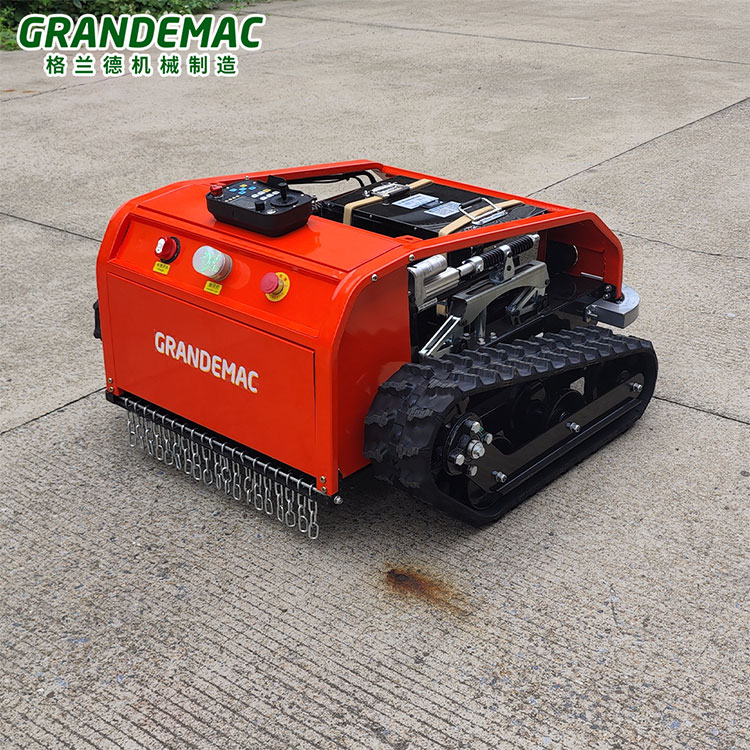 Knowing when to sharpen your blades is essential. A common rule of thumb is to sharpen after every 20 to 25 hours of mowing. However, this can vary based on the size of your lawn, the type of grass, and the presence of debris like rocks or sticks.
Visible Signs of Dull Blades
Inspect your lawn after mowing. If you notice frayed, brown tips on the grass blades, this is a clear indication that the mower blades are dull. Additionally, uneven patches or a ragged appearance suggest it's time for maintenance.
Physical Inspection of Blades
Regularly check the blades themselves. Look for nicks, dents, or bends caused by impact with hard objects. Even high-quality rotary lawn mower blades can suffer damage over time and require sharpening or replacement.
Safety Precautions
Sharpening mower blades involves sharp objects and machinery, so safety is paramount. Before beginning any maintenance, ensure you take the necessary precautions to prevent accidents.
Disconnecting Power Sources
Always disconnect the spark plug wire on gas mowers to prevent accidental starts. For electric mowers, unplug them from the power source. This step is crucial for your safety during maintenance.
Protective Gear
Wear thick gloves to protect your hands from sharp edges. Safety glasses are also recommended to shield your eyes from metal filings during sharpening.
Tools Needed for Sharpening
Having the right tools makes the sharpening process more efficient and ensures a better result. The basic tools required include a wrench, a file or grinder, and a blade balancer.
Wrench Set
A proper wrench set is necessary to remove the blade from the mower. Ensure you have the correct size to avoid stripping the nut or bolt.
Sharpening Tools
A metal file can suffice for manual sharpening. However, for quicker results, an angle grinder or bench grinder can be used. These tools require careful handling to maintain the correct blade angle.
Blade Balancer
After sharpening, it's important to balance the blade to prevent uneven cutting and strain on the mower's engine. A blade balancer helps identify any imbalance so you can remove additional material as needed.
Step-by-Step Sharpening Guide
Following a systematic approach ensures that the blades are sharpened correctly and safely. Below is a detailed guide to assist you through the process.
1. Prepare the Mower
Place the mower on a flat surface. Disconnect the spark plug wire or power source. Tilt the mower carefully to access the blade, ensuring that no fuel leaks if it's a gas mower.
2. Remove the Blade
Use the wrench to loosen and remove the bolt securing the blade. Note the blade's orientation for correct reinstallation. It's advisable to mark the bottom side of the blade for reference.
3. Clean the Blade
Remove any dirt, grass, or rust from the blade using a wire brush. A clean blade is easier to sharpen and allows for better inspection of damage.
4. Sharpen the Blade
Secure the blade in a vise for stability. Using a file or grinder, sharpen the cutting edge, following the original angle of the blade (usually around 30 degrees). Remove equal amounts of material from both ends to maintain balance.
5. Balance the Blade
Place the blade on a blade balancer. If one side dips lower, it indicates that side is heavier. Remove additional material from the heavy side until the blade remains level on the balancer.
6. Reinstall the Blade
Reattach the blade to the mower, ensuring it's installed in the correct orientation. Tighten the bolt securely but avoid over-tightening, which can cause damage.
7. Final Checks
Reconnect the spark plug wire or power source. Start the mower briefly to ensure it operates smoothly. Listen for any unusual sounds or vibrations that might indicate an imbalance.
Maintenance Tips for Prolonged Blade Life
Regular maintenance extends the life of your blades and enhances mower performance. Here are some expert recommendations to keep your equipment in prime condition.
Regular Cleaning
After each mowing session, clean the underside of the mower deck to prevent grass buildup, which can lead to corrosion and reduced cutting efficiency.
Avoiding Obstacles
Inspect your lawn for rocks, branches, and other debris before mowing. These objects can nick or bend the blades, necessitating more frequent sharpening or replacement.
When to Replace Blades
Even with regular sharpening, blades will eventually wear out. Signs that it's time to replace include cracks, excessive wear, or difficulty balancing the blades after sharpening.
Assessing Blade Damage
If sharpening does not restore a clean cutting edge or if the blade has significant damage, replacement is the safest option. Using damaged blades can be dangerous and lead to poor cutting performance.
Choosing the Right Replacement
Ensure that replacement blades are compatible with your mower model. Consult the manufacturer's specifications or seek advice from professionals to select the appropriate blade type.
Professional Sharpening Services
For those who prefer not to sharpen blades themselves, professional services are available. These services use specialized equipment to achieve optimal sharpness and balance.
Benefits of Professional Services
Professionals can extend the life of your blades by removing minimal material during sharpening. They also ensure precision sharpening angles, contributing to better cutting performance.
Cost Considerations
While professional sharpening incurs a cost, it may be justified by the extended blade life and the time saved. Compare local service providers for the best rates and quality.
Environmental Impact
Maintaining sharp blades contributes to environmental conservation. Efficient mowing reduces fuel consumption and emissions, aligning with sustainable practices.
Fuel Efficiency
Sharp blades require less power, which means your mower uses less fuel. This efficiency reduces the carbon footprint associated with lawn maintenance.
Healthier Lawns
Healthy lawns contribute to better air quality by absorbing pollutants and producing oxygen. Proper mowing practices, starting with sharp blades, support this environmental benefit.
Conclusion
Sharpening your lawn mower blades is a fundamental aspect of lawn care that pays dividends in the health of your grass, the efficiency of your equipment, and environmental stewardship. Whether using a standard mower or a specialized rotary lawn mower, regular maintenance ensures optimal performance. By following the steps outlined in this guide and adhering to safety protocols, you can achieve a cleaner cut and a more beautiful lawn.


