Introduction
Ever wondered how a 3 Point Tractor Verge Flail Mower turns tractor power into precise verge cutting? It’s more than just blades and metal — it’s a balance of hydraulics, power, and control. In this article, you’ll learn how it operates, how to use it safely, and how to keep it running smoothly.
Understanding the Mechanics of a 3 Point Tractor Verge Flail Mower
What “3 Point” Really Means
The “3 Point” refers to the three hitch points on the tractor’s rear linkage. Two lower arms carry the implement’s weight and provide lateral stability. The top link controls the mower’s pitch so the roller and skids track the surface. When set correctly, the hitch lets the deck float slightly over undulations. That float keeps the cutting head stable and protects turf on humps and dips.
Key Components That Drive Operation
A typical deck includes a PTO-driven gearbox, a belt drive, a flail rotor, a rear roller, and replaceable skids. The gearbox turns PTO input into rotor speed via the pulley set. The belts act like a clutch and shock absorber under load spikes. The rotor carries Y-flails or hammer flails that shred material into a fine mulch. The rear roller sets height, prevents scalping, and keeps the deck tracking straight along verges.
The Power Source: How PTO Drives the Mower
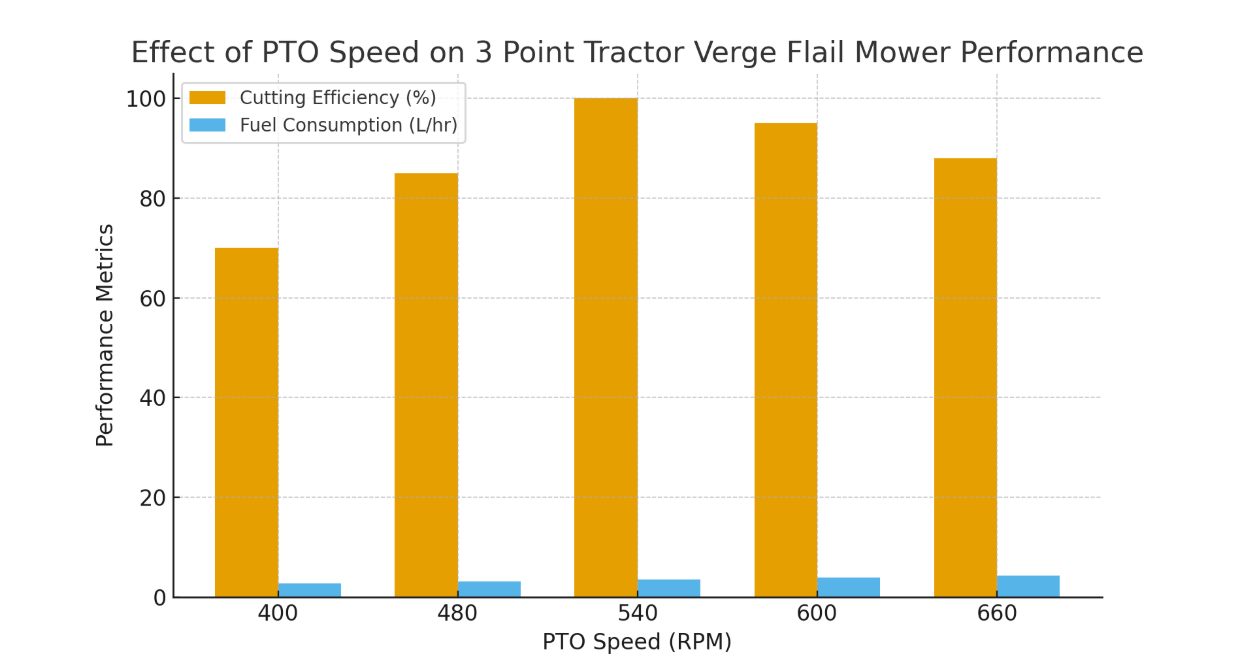
Most models require a 540 RPM PTO. The PTO shaft transfers torque through U-joints into the gearbox and belt train. Proper PTO speed keeps rotor tip speed in the sweet spot. It also reduces belt burn, clutch slip, and uneven cut quality. Too slow creates ragged cuts and clumping. Too fast increases stone throw, vibration, and wear.
The Flail Cutting Principle
Instead of a single swinging blade, the rotor carries many small flails that hinge on shackles. As the rotor spins, centrifugal force extends each flail, which slices and then mulches the stems. The design handles rough ground and variable growth while minimizing projectile risk. It also leaves a tidy finish when the roller height is set right.
Step-by-Step Guide: How to Operate a 3 Point Tractor Verge Flail Mower
Attaching the Mower to the Tractor
Park on flat, firm ground. Lower the three-point arms and align the lower pins into the ball ends. Fit the lynch pins and then secure the top link in the floating clevis. Bring the deck level using the tractor hydraulics so the skids sit parallel to the ground. Aim for slight rear-roller bias to help the deck follow bumps rather than dig into them. This setup gives the 3 Point Tractor Verge Flail Mower the stability it needs on banks and verges.
Connecting the PTO Shaft and Hydraulic Lines
Grease the PTO crosses and telescoping tubes before connection. Slide the PTO yokes onto the tractor stub and the gearbox input until the locks click. Fit the safety chain so the PTO guard does not rotate. Connect the two double-acting hydraulic spools where the mower uses offset and tilt. Wipe couplers clean to avoid valve damage from grit. Cycle each function to confirm smooth movement and correct hose orientation.
Adjusting the Cutting Height
Set initial height using the rear roller and the skids. A common starting point leaves at least 30 mm between hanging flails and the ground when the deck is level. Use the lift arms for fine changes on the fly, especially when grass density shifts. For wet, lush growth, raise the deck slightly to avoid clumping. For dry verge grass, lower the deck to increase mulching and improve appearance.
Adjusting the Tilt and Offset
Verge work needs controlled tilt and lateral shift. Many heads tilt up to about 90 degrees for hedge faces and down about 45 degrees for ditch banks. Offset keeps the tractor farther from traffic while placing the rotor at the verge edge. Start horizontal, then tilt in small increments until the flails cut without scalping or leaving a strip. Watch the roller contact line; it should track consistently along the verge crown.
Operating Speed and Gear Control
Select a low tractor gear to match rotor load and terrain changes. Keep the PTO near 540 RPM to maintain tip speed as you adjust ground speed. If you hear the rotor grunt or see belt smoke, reduce forward speed immediately. Slow the pass in heavy weeds or brush, then make a second finishing pass if needed. Your 3 Point Tractor Verge Flail Mower will leave a cleaner line at a steady PTO than at an over-fast ground speed.
Post-Operation Shutdown and Safety Checks
After each pass, idle the PTO down and disengage it before lifting the deck. Park on level ground, lower the head, shut the engine off, and remove the key before inspections. Clear wrapped material from the rotor ends. Check guards, belt cover, and hydraulic hoses for damage. Grease fittings while the joints are warm and accept grease easily.
Recommended Setup Snapshot
Parameter | Starting Point | Field Rationale |
PTO speed | 540 RPM | Keeps rotor tip speed consistent |
Deck pitch | Slightly lower at rear | Improves tracking and finish |
Blade clearance | ≥ 30 mm | Reduces scalping on crowns |
Ground speed | Slow–moderate | Balances cut quality and safety |
Fine-Tuning for Optimal Performance
Roller and Skid Adjustments
The roller controls finish and protects the ground. Loosen the fixing bolts on both sides, move the roller to the next hole set, and re-tighten evenly. Raise it for rough verges and unknown obstacles. Lower it for parkland edges and shorter grass. Skids prevent edge dig when you hit ruts or soft shoulders. Keep both skids at the same hole position. Mismatched skids tilt the deck and leave uneven stripes.
Belt Tension and Alignment
Belt tension should allow about one belt thickness of deflection at mid-span, typically near 10 mm. Another quick check is a quarter-turn twist by hand; more means loose, less means tight. To adjust, slacken the gearbox mounting bolts, set the tensioner position, and align the pulleys using a straight edge. Re-tighten evenly. Misalignment overheats belts fast and robs power from the rotor.
Balancing the Flail Rotor
Replace worn or missing flails in pairs across the rotor to keep mass even. Unequal flail lengths cause vibration, poor finish, and bearing wear. If you feel new vibration at a given RPM, stop and inspect the flail rows. Check the rotor bearings and the roller bearings during the same downtime window. Catching imbalance early protects the gearbox and the PTO driveline.
Safety Considerations When Operating a Verge Flail Mower
Key Safety Symbols and Warnings
Safety labels highlight pinch, thrown object, and entanglement zones. “Danger” marks immediate hazards, while “Warning” marks serious potential injury. Keep labels clean and legible so seasonal staff can read them fast. Replace any missing decals before work resumes.
Operator Protective Gear
Wear snug clothing, safety glasses, and hearing protection. Steel-toe boots help when hitching and moving heavy parts. A high-visibility vest increases your margin near traffic. Keep long hair and jewelry secured. Avoid headphones, as they mask rotor tone changes that often warn of problems.
Safe Transport and Field Handling
Disengage PTO before lifting to transport height. Travel slowly over rough ground to keep the deck stable. Allow more room for turning when the head is offset. On road sections, use beacons and warning boards where required. Obey local rules and post a spotter when sightlines are poor.
Common Operator Mistakes to Avoid
Do not mow wet, heavy grass at low deck height, or you will clog and clump. Do not run at full throttle then engage the PTO abruptly. Do not operate without belt covers or missing guards. These habits cut bearing life and increase injury risk.
Maintenance and Lubrication Schedule
Routine Maintenance Checks
Before mowing, confirm gearbox oil level at the side plug. Walk the deck and tighten any loose hardware. Spin the rear roller to feel for roughness or end float. After the first 50 feet of cutting, stop and confirm the height, pitch, and finish quality. Small adjustments early save hours later.
Lubrication Points
Grease the PTO U-joints and sliding profiles, the rotor bearings, and the roller bearings at the intervals in your manual. Use multi-purpose lithium grease unless the maker specifies otherwise. Warm components accept grease better and push stale grease past seals. For gearboxes, SAE 90W gear lube is common. Keep the deck level when you check the oil so levels read correctly.
Seasonal Storage and Cleaning
At season’s end, pressure wash the deck gently, avoiding direct spray into seals. Touch up paint on exposed steel to resist rust. Store indoors if possible. Hang a tag listing any parts needed before next season. Replace damaged decals now so operators start with clear instructions.
Troubleshooting and Performance Optimization
Diagnosing Cutting Irregularities
If the finish looks torn, raise PTO speed to the target and slow ground speed slightly. If you see windrows or clumps, raise the deck or make a second pass at a different angle. If strips appear, inspect for missing flails or a bent rotor segment. A smooth, even roller imprint usually means the head is tracking correctly.
Power Transmission Problems
Belt smoke, rubber smell, or black dust around the cover points to slip. Tension the belt and confirm pulley alignment. If the PTO shaft chatters, check the U-joint phase and grease points. Excess driveline angle from extreme offset can cause vibration. Reduce offset or lower the head to improve joint geometry.
Hydraulic and Tilt Issues
Slow or jerky tilt often means air or contamination in the lines. Cycle the spools through full travel several times to purge micro-bubbles. Check for hose kinks near the head pivot. If the head drifts down on its own, inspect check valves in the control circuit and confirm the spool is holding center.
Advantages of Using a 3 Point Tractor Verge Flail Mower
Versatility Across Terrains
The offset boom and tilting head let you handle ditches, banks, and hedge faces using the same machine. It reduces site trips and improves schedule certainty. The rear roller maintains a consistent finish on varied soil profiles.
Superior Safety and Efficiency
A flail system sheds energy into vegetation rather than throwing stones far. It helps where traffic or footpaths run close to the verge. The mulching action also reduces disposal needs by leaving a fine, fast-breaking residue.
Durability and Cost-Effectiveness
Heavy rotor tubes, forged hammers, and multi-belt drives stand up to roadside debris. Proper belt tension and oil checks keep lifecycle costs predictable. Over a season, consistent PTO speed and sane ground speed save fuel and belts.
Compatibility with Multiple Tractor Models
Cat-1 hitches and modest PTO requirements open a broad tractor range. Many units run well on 30–55 HP tractors, giving small fleets access to professional verge results. That flexibility helps when you must swap tractors mid-route.
Conclusion
A 3 Point Tractor Verge Flail Mower combines precise hitch geometry, PTO power, and hydraulics to deliver smooth, efficient verge cutting. Maintaining correct deck level and regular checks on belts, bearings, and oil ensures consistent performance. With its durability and versatility, it offers professional results across terrains. GRANDEMAC provides high-quality mowing solutions built for reliability, helping operators achieve safer and more productive land management.
FAQ
Q: What is a 3 Point Tractor Verge Flail Mower?
A: A 3 Point Tractor Verge Flail Mower is a PTO-driven attachment that uses flail blades and hydraulics to cut grass, banks, and verges efficiently.
Q: How does a 3 Point Tractor Verge Flail Mower operate?
A: It connects to the tractor’s three-point linkage, powered by the PTO at 540 RPM, using belts and hydraulics to rotate flails for precise verge cutting.
Q: Why choose a 3 Point Tractor Verge Flail Mower over a rotary mower?
A: It offers safer, cleaner cuts with less debris throw, ideal for roadside or uneven terrain compared to standard rotary mowers.
Q: What maintenance does a verge flail mower require?
A: Regularly check belt tension, grease fittings, inspect blades, and maintain gearbox oil to ensure smooth operation and longer equipment life.
Q: Can a 3 Point Tractor Verge Flail Mower handle uneven ground?
A: Yes, its adjustable hydraulic arm and tilting head allow it to mow safely on slopes, ditches, and roadside verges with stable control.


