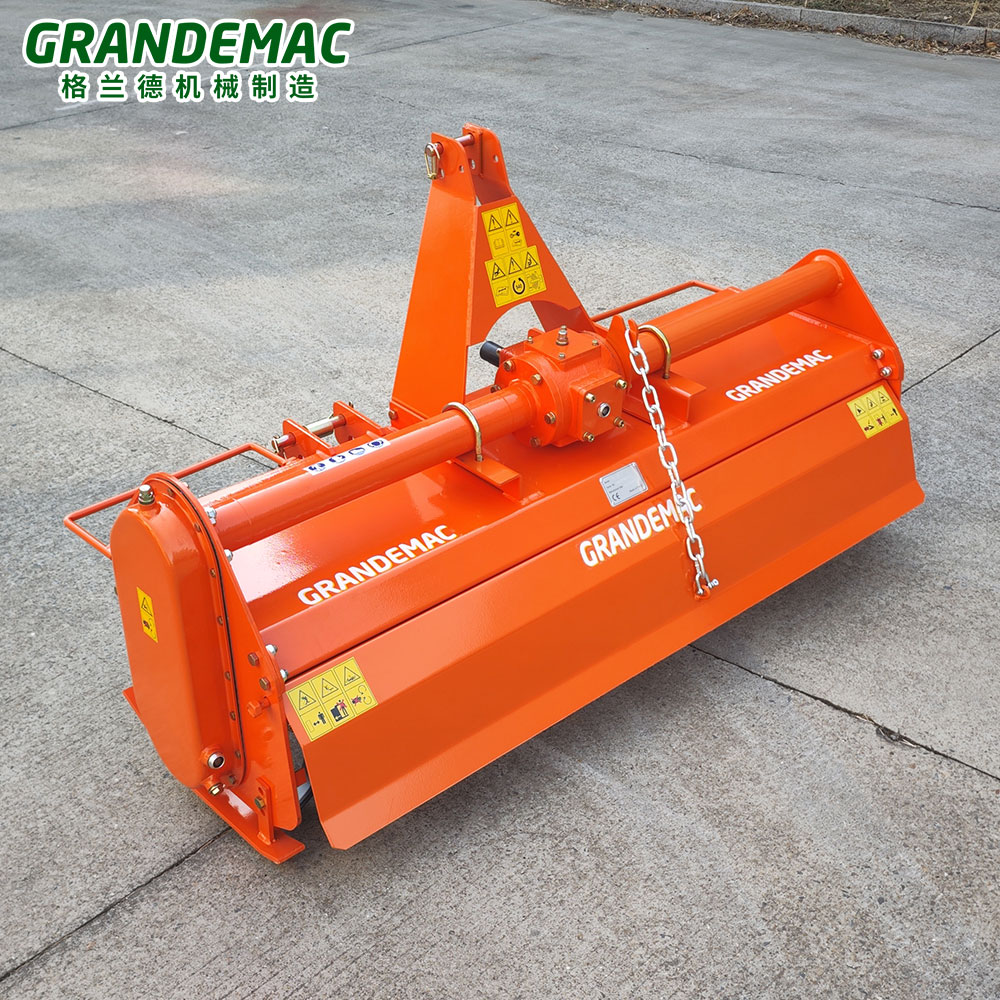
Operating a rotary tiller in improper soil moisture conditions does not just result in a poor seedbed. It accelerates mechanical wear, spikes fuel consumption, and damages long-term soil structure. For agricultural professionals and serious property managers, timing the till remains a critical operational decision. Moisture acts as either a lubricant or a restrictive glue, dictating exactly how equipment interacts with the earth.
Every field presents a unique environment. Tilling too early after a rainstorm can destroy soil aggregates, while waiting too long leaves the ground dangerously hard. This guide breaks down the mechanical and agronomic impacts of soil moisture. We provide a clear framework for evaluating when you should till, how you must adjust your machine, and what equipment specifications matter most to ensure field success.
Key Takeaways
Mechanical Strain: Tilling overly wet soil forces the gearboxes and tines to work against exponential resistance, risking shear pin failure and accelerated metal fatigue.
Agronomic Risk: Wet tilling causes "smearing" and creates an impermeable hardpan, while excessively dry tilling destroys soil aggregation and creates dust mulch.
Equipment Sizing Matters: Unpredictable moisture windows require adaptable equipment; a medium rotary tiller often provides the ideal balance of weight and torque for varying conditions.
Field Testing: Reliable, low-tech field tests (like the ribbon or ball test) are mandatory steps before engaging the PTO.
The Mechanics of Soil Moisture and Tine Engagement
The Physics of Resistance
Water content fundamentally alters soil cohesion and adhesion. Cohesion refers to how tightly soil particles bind to one another. Adhesion refers to how stubbornly those particles stick to foreign surfaces, like metal tiller blades. As moisture increases, cohesive forces initially strengthen. This creates a dense, heavy medium. Moisture dictates the sheer strength of the soil against the blades. If water saturates the soil profile, it transforms into a highly adhesive mud. This mud binds to the tines and the underside of the equipment deck. Conversely, absent moisture removes all cohesive binding. The ground hardens into a dense block, causing immense friction.
Impact on the Tractor and Implement
There is a direct correlation between soil moisture and PTO horsepower requirements. Heavy, damp soil demands much higher torque. As blades slice through saturated earth, they encounter immense drag. This drag transfers directly up the driveline. Your tractor engine must work harder to maintain standard PTO RPMs. Operators often hear the tractor engine bog down when hitting wet patches. This happens because the implement requires peak rotational force just to push through the heavy material. Operating in these conditions stresses every moving part. It increases fuel burn and reduces overall operational efficiency.
Clod Formation vs. Pulverization
The primary goal of tilling is achieving an optimal "friable" state. Friable soil crumbles easily under light pressure. It holds enough moisture to support seed germination but remains loose enough to allow oxygen flow. Proper moisture allows the tines to shatter soil along natural fault lines. The metal blades strike the earth, and the impact force breaks the soil aggregates apart naturally. When you till outside this moisture window, the mechanics change completely. Instead of shattering, wet soil slices into smooth ribbons of mud. Dry soil resists impact entirely, forcing the machine to crush the earth through sheer brute force rather than natural separation.
Tilling Extremes: Wet vs. Dry Soil Ramifications
The Hidden Costs of Tilling Wet Soil
Mechanical Wear
Increased drag leads directly to gearbox overheating. When blades drag through heavy mud, the resistance forces internal gears to grind harder against one another. This constant strain breaks down gear oil viscosity rapidly. You will likely experience clutch slippage as the slip clutch attempts to protect the driveline from extreme torque spikes. Furthermore, pushing heavy mud around the rotor shaft demands higher fuel consumption. The tractor simply burns more diesel to maintain ground speed.
Soil Compaction (The Hardpan Effect)
Agronomically, wet tilling acts as a destructive force. The downward pressure of the tines on wet soil creates a smeared, compacted layer just below the maximum tilling depth. We call this the hardpan effect. As the blades sweep through the mud, they act like a trowel smoothing concrete. This leaves a dense, impermeable barrier beneath the surface. A hardpan layer restricts future root growth. It also prevents proper water penetration, leading to standing surface water during future rain events.
Clodding
Wet soil forms rock-hard clods upon drying. When you slice wet earth and leave it exposed to the sun, it bakes into large, solid chunks. These clods are highly problematic for seedbed preparation. Small seeds cannot germinate properly in clodded soil because they lack seed-to-soil contact. Fixing a clodded field necessitates secondary, costly field passes. You end up burning more fuel and wasting time trying to break down the hardened chunks you created during the first pass.
The Drawbacks of Tilling Bone-Dry Soil
Tine Deterioration
Friction from dry, abrasive soil significantly accelerates blade wear. This is especially true in high-sand or rocky compositions. Without moisture acting as a natural lubricant, the soil grinds against the metal like sandpaper. Tines dull rapidly under these conditions. Dull blades require even more horsepower to penetrate the ground. They eventually bend or snap under the continuous stress, requiring expensive replacements and causing unwanted downtime.
Machine Bouncing
Lack of soil moisture reduces blade penetration. Instead of digging into the earth, the tines strike the hardened surface and violently push the machine upward. This causes the tiller to "walk" or bounce over the surface. Machine bouncing damages the driveline. It places severe stress on the tractor's three-point hitch. Bouncing also causes immense operator fatigue. The constant jolting transfers directly to the tractor seat, making it difficult to maintain a straight line or a consistent speed.
Dust Mulching
Tilling completely dry fields risks pulverizing the soil into a fine powder. We refer to this as dust mulching. While a powdery surface might look smooth, it indicates structural collapse. Powdered soil loses all natural aggregation. It blows away easily in the wind, leading to severe topsoil erosion. Furthermore, when the next rain arrives, this fine dust dissolves and seals the field surface. It creates a thick surface crust that emerging seedlings struggle to penetrate.
How to Evaluate Soil Readiness (Field-Testing Framework)
Before you attach the implement to your tractor, you must physically test the field. Relying on the calendar or simply looking at the surface color leads to poor decision-making. You need reliable, low-tech field tests. These physical assessments provide a highly accurate reading of subsurface conditions.
The "Ball and Drop" Test
This is the most reliable method for testing general soil readiness. Follow these actionable instructions to prevent severe field damage:
Take a shovel and dig down 3 to 4 inches into the soil profile.
Grab a handful of soil from this depth, not from the dry surface crust.
Squeeze the soil tightly in your hand to form a ball.
Hold the ball at roughly waist height and drop it onto a hard surface or packed dirt.
Observe the reaction. If the ball shatters upon impact, the field is ready to till. If it stays completely intact, the soil remains too wet. If the soil will not form a ball in your hand at all, it is too dry.
The Ribbon Test
Operators dealing with clay-heavy soils should utilize the ribbon test. Clay holds water longer than loam or sand. Take a small handful of damp soil from below the surface. Roll it into a small cigar shape. Press the soil firmly between your thumb and forefinger, pushing it upward to form a ribbon. If you can form a ribbon longer than two inches before it breaks off, the soil retains too much moisture for safe tilling. Tilling in this state guarantees hardpan formation.
Trench Observation
Sometimes field conditions vary drastically from one corner to another. Advise operators to run the equipment for just 10 feet, stop, and inspect the trench. Look closely at the bottom and sides of the cut. If you see shiny, smeared edges where the blades passed, stop immediately. Smeared edges indicate excessive moisture. The tines are acting like trowels. Wait another day or two for the field to dry out before continuing the operation.
Matching Equipment Specifications to Soil Realities
Why Weight and Gear Ratios Matter
Relying on a lightweight machine for damp, heavy soil forces the operator to make multiple shallow passes. Lightweight units lack the downward gravitational force required to hold the tines in dense earth. They bounce easily. Heavy soil pushes back against the blades. To compensate, manufacturers rely on specific gear ratios to multiply torque. A machine must feature robust gearing to maintain tine rotation speeds when resistance spikes. If the gear ratio is too high, the tractor bogs down. If it is too low, the pulverization quality suffers greatly.
The Case for the Medium Rotary Tiller
When moisture windows remain unpredictable, you need adaptable equipment. Positioning a Medium Rotary Tiller as your primary tool solves many variable soil challenges. It offers the ideal balance of weight and torque.
Scalability: A medium-class unit provides enough physical weight to prevent machine bouncing in dry, hard conditions. However, it remains nimble enough to avoid severe soil compaction in slightly damp conditions. It traverses the field without sinking deeply into soft pockets.
Feature Focus: When dealing with unpredictable soil cohesion, driveline durability is vital. A robust gear-drive system easily outperforms a chain-drive system. Gear drives handle sudden shock loads better when hitting dry, compacted zones. Heavy-duty rotor shafts resist bending when dragging through heavy, adhesive mud.
Tine Shape Selection
The shape of the metal blades dramatically affects how the machine processes variable moisture. C-shaped tines feature a gradual curve. They enter the ground with less resistance and require less horsepower. They are better suited for damp, heavy soils because their curved profile prevents severe mud clogging. L-shaped tines feature a sharp 90-degree bend. They slice aggressively and lift the earth. L-tines are much better for shallow, dry pulverization, as they shatter hard clumps effectively. Knowing which tine suits your average seasonal moisture helps prevent premature wear.
Operational Adjustments for Variable Moisture
PTO Speed vs. Ground Speed
Matching your tractor's travel speed to the power take-off (PTO) speed is essential. Different moisture levels require distinct operational strategies. Slightly damp soil requires slower ground speeds but high PTO RPMs to forcefully clear heavy dirt from the tines. Conversely, dry soil requires careful management to avoid turning the field into dust.
Table Title: Decision Matrix for PTO and Ground Speeds
Soil Condition
Ground Speed
PTO RPM Target
Operational Goal
Slightly Damp / Heavy
Low (1-2 mph)
High (Standard 540)
Maintain momentum to clear adhesive soil from tines. Prevent engine bogging.
Optimal / Friable
Moderate (2-3 mph)
High (Standard 540)
Achieve clean, natural shattering of soil aggregates. Perfect seedbed creation.
Very Dry / Hard
Very Low (Under 1 mph)
Moderate to Low
Prevent over-pulverization (dust mulching). Minimize machine bouncing and blade wear.
Rear Deflector Board Tuning
You must actively manage the rear tailgate, also known as the deflector board. This component dictates how long soil remains inside the mixing chamber. Open the tailgate slightly in wetter soils. This prevents mud buildup against the backplate, reducing clogging and lowering the drag on your rotor shaft. When operating in dry soils, close the tailgate down. Keeping it closed traps the hard chunks inside the chamber longer, allowing the tines to strike them multiple times for maximum clod shattering.
Skid Shoe Depth
Skid shoes dictate the absolute maximum penetration depth. If moisture levels are borderline heavy, manage your penetration incrementally. Set the skid shoes to take a shallow cut (perhaps 2 inches) on the first pass. Removing the damp top layer allows the sun and wind to dry the subsurface quickly. You can then return later for a deeper pass. Attempting to sink the skid shoes to maximum depth in questionable moisture guarantees severe driveline strain and hardpan formation.
Conclusion
Soil moisture is not just a minor agronomic variable. It acts as a strict mechanical limitation for any field operation. Attempting to force machinery through saturated mud or concrete-like dry earth ultimately damages your equipment and degrades the long-term health of your land. Understanding the physics of cohesion and adhesion empowers you to make smarter operational choices.
Before buying new equipment, audit your local soil types and evaluate your average seasonal moisture windows. Always select a machine capable of adapting to changing realities. A durable, well-weighted machine offers the adjustability required to handle less-than-ideal field conditions safely. Use your tailgates, manage your skid shoes, and match your ground speed to the environment. By respecting the moisture limits of your soil, you preserve your machinery and guarantee a superior seedbed for seasons to come.
FAQ
Q: How long should I wait to use a rotary tiller after heavy rain?
A: The waiting period depends entirely on your soil type. Sandy soil drains quickly and may be ready in 1 to 2 days. Heavy clay soils retain water deeply and might require a week or more to dry out safely. Never rely solely on the calendar. Always perform the "ball and drop" test to confirm subsurface moisture levels before starting your tractor.
Q: Will tilling wet soil ruin my rotary tiller?
A: Yes, frequent wet tilling carries severe mechanical risks. Pushing through heavy mud creates extreme drag on the rotor shaft. This resistance leads to slipped clutches, constantly broken shear bolts, and eventually burned-out gearboxes. The added weight of the mud also strains the tractor's three-point hitch and increases fuel consumption dramatically.
Q: Does a medium rotary tiller work better in clay soils than a light tiller?
A: Yes. Clay soil presents massive cohesive resistance, especially as moisture drops. A medium unit provides the necessary physical weight to maintain penetration depth without violently bouncing. Furthermore, they feature heavier gearboxes and stronger rotor shafts capable of handling the severe torque requirements needed to slice through dense clay profiles.