The busy agricultural season demands relentless productivity from your equipment. During critical planting or harvest windows, unexpected downtime translates directly into lost revenue. Idle labor costs compound quickly when machinery fails in the field. Every minute counts when you race against weather patterns and optimal harvest times.
For operations relying on agricultural machinery, in-season maintenance is never about performing major overhauls. Instead, operators must focus on strategic, preventative upkeep. This daily discipline secures vital uptime and safeguards overall equipment profitability. You cannot afford to lose days waiting for complex repairs.
This guide breaks down daily, weekly, and situational maintenance protocols. We designed these steps specifically for high-load commercial environments. You will learn how to protect your machinery without sacrificing crucial operational hours. By following these standardized checklists, operators ensure reliable performance throughout the most demanding weeks of the year.
Key Takeaways
In-season maintenance should prioritize immediate operational risks: air intake systems, lubrication, and control cable integrity.
Daily 10-minute visual and fluid checks prevent 90% of catastrophic mid-season failures.
Implement health (PTO connections, blade sharpness) is just as critical as engine health for maintaining productivity.
Maintaining a strategic inventory of consumable parts on-site is a mandatory risk mitigation tactic for busy seasons.
Evaluating Uptime Risks: The Cost of Neglecting Maintenance
You must weigh the minimal cost of daily maintenance against the severe financial penalties of in-season part failures. Daily upkeep requires only basic consumables and a few minutes of labor. Conversely, neglecting these simple steps invites catastrophic equipment breakdown. A mid-season breakdown forces you to pay expedited shipping costs for replacement parts. It also leads to direct crop loss and forces your hired hands to stand idle.
Many farm managers underestimate how quickly delayed maintenance cascades into operational disaster. A clogged air filter starves the engine of oxygen. This forces the engine to run excessively hot. Heat degrades the engine oil faster, which eventually leads to irreversible internal damage. By spending small amounts of time daily, you avoid these expensive chain reactions.
We define a highly successful maintenance protocol using three strict criteria. Implement these goals to measure your crew's effectiveness.
Time Efficiency: The protocol must require less than 15 minutes of an operator's time per day.
Tool Accessibility: Operators must execute checks without requiring specialized shop tools.
Reliability Target: The routine must achieve zero unplanned mechanical downtime during peak operating weeks.
We must acknowledge a transparent assumption regarding this protocol. These guidelines assume you already completed a comprehensive off-season or pre-season service. Your equipment should already have verified valve clearance checks. You should have already performed major fluid flushes and replaced aging fuel lines. In-season maintenance sustains healthy equipment; it cannot miraculously resurrect neglected machinery.
Daily "Pre-Flight" Checks (10-Hour Intervals)
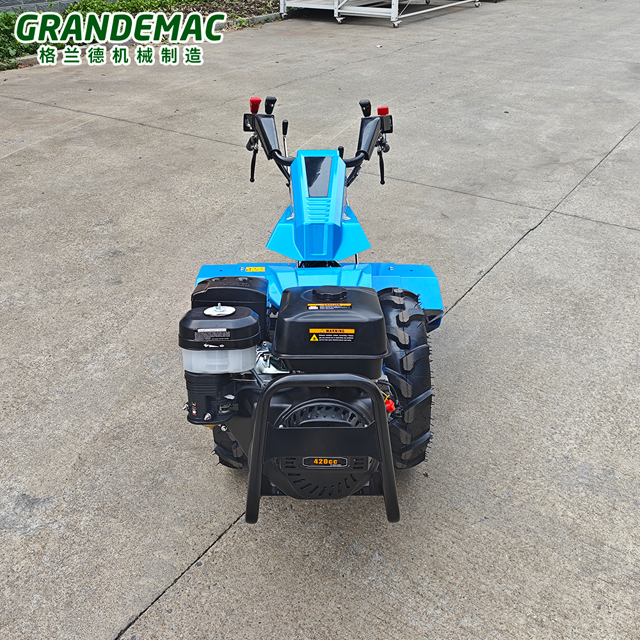
Implementation realities demand non-negotiable checks before you start the engine each morning. You must treat these steps as mandatory operator rituals. Skipping these inspections guarantees premature wear. Every operator using a Two Wheel Tractor must complete these basic diagnostics daily.
Fluid levels require your immediate attention first. Verify the crankcase oil and transmission fluid levels before starting the engine. You must park the equipment on level ground to obtain accurate dipstick readings. Checking oil on a slope gives a false sense of security. If the engine runs low on oil under heavy load, internal components will seize within minutes. Top off any low fluids using the exact viscosity recommended by the manufacturer.
Air filtration stands as a critical failure point in agricultural environments. Dust acts like sandpaper inside an engine cylinder. You must inspect the air intake system daily to prevent catastrophic internal scoring.
Dry Elements: Check paper filters for heavy dust accumulation. Tap them gently to dislodge loose dirt. Replace them immediately if you spot tears or heavy soil packing.
Oil-Bath Filters: Ensure you fill the oil cup exactly to the designated line. Check the oil consistency. If it looks like dense sludge, you must clean the cup and add fresh oil. This step remains especially crucial in dry, dusty environments.
Complete your morning routine using a thorough visual hardware inspection. Heavy vibration constantly threatens structural integrity. Walk around the machine and inspect all visible fasteners. Check for loose nuts and bolts on the engine block. Pay special attention to wheel extensions and implement housings. A loose bolt on a wheel extension can shear off completely under heavy torque. Tighten anything loose using a basic field wrench before heading into the dirt.
Weekly Milestones and High-Load Servicing (50-Hour Intervals)
Once you hit the 50-hour mark, your strategy moves from visual checks to active servicing. Weekly milestones prevent creeping performance degradation. High-load tasks stretch belts, wear down clutch plates, and accumulate debris in hidden areas. Addressing these issues weekly keeps your power output consistent.
Cable and clutch adjustments require careful testing. You must check the tension on your clutch, throttle, and steering brake cables. A slipping clutch under heavy load will rapidly burn out the clutch cone or friction plates. If you feel the machine hesitate while engaging the drive, you need to tighten the clutch cable immediately. Ensure your steering brakes engage evenly to prevent dangerous pulling on steep inclines.
Tire pressure and ballast adjustments dictate your field traction. You must adjust the tire PSI based on the specific implement currently in use. Lower the PSI to increase the tire's footprint when seeking traction in muddy, wet fields. Conversely, you must verify specific wheel weight balancing when operating heavy flail mowers. Improper ballast causes severe operator fatigue and uneven cutting results.
Cooling fins demand rigorous weekly cleaning. Air-cooled engines rely entirely on surface area to dissipate heat. Use compressed air to blow out debris, dried grass, and caked dirt from the engine cooling fins. If you lack an air compressor in the field, use a stiff bristle brush. Blocked cooling fins trap heat against the engine block. This leads directly to overheating and vapor lock under sustained operational loads.
Weekly Maintenance Action Plan
Component
Inspection Action
Correction Required If...
Clutch Cable
Squeeze lever to check tension
Engagement feels soft or tractor slips under load
Cooling Fins
Visual inspection for trapped debris
Grass or mud blocks more than 10% of fin surface
Tire Pressure
Measure PSI with gauge
PSI does not match current terrain/implement needs
Steering Brakes
Test individual brake lock
Tractor pulls unevenly or fails to hold on slopes
Implement and PTO Maintenance for the 2 Wheel Orchard Tractor
Application-specific maintenance dictates how well your attachments perform. Operating a 2 Wheel Orchard Tractor involves unique demands. You frequently use these machines for under-canopy mowing, deep tilling, or chemical spraying. The implements often endure more abuse than the engine itself. Neglecting attachments reduces your overall work quality and strains the power unit.
Power Take-Off (PTO) spline lubrication prevents frustrating delays. You must clean the PTO splines thoroughly before swapping implements. Apply a thin layer of high-quality lithium grease to the splines. This simple action prevents the metal from seizing together. It also reduces frictional wear as the implement violently vibrates against the tractor mounting flange.
Implement-specific care keeps your tools aggressive and efficient. Different attachments require distinct maintenance routines.
Rotary Plows and Tillers: Check tine wear patterns constantly. Dull tines pulverize soil poorly and force the engine to work twice as hard. You must also check the gearbox oil levels weekly to prevent gear stripping.
Flail and Sickle Mowers: Inspect blade sharpness before every mowing session. You must replace broken Y-blades immediately. Running a flail mower with missing blades destroys the rotor balance, which shatters bearings. Grease all zerk fittings generously to flush out dirt.
Debris management requires daily vigilance in orchard settings. Orchards contain hidden hazards like old irrigation drip tape, wrapped vines, and discarded bird netting. These materials love to wrap tightly around wheel axles and exposed PTO shafts. Clear this debris out immediately. If left unchecked, spun wire or netting will eventually slice through your heavy-duty oil seals, causing massive fluid leaks.
Building a Mid-Season Spare Parts Inventory (Risk Mitigation)
You cannot rely entirely on dealer support during the busiest weeks of the year. Dealerships get backlogged. Shipping companies experience delays. You must build a strategic mid-season spare parts inventory on-site. We evaluate which parts are worth keeping on-hand based on two dimensions: failure frequency and operational impact.
Tier 1 consumables represent your absolute must-haves. You need these items readily available in your storage shed. Keep multiple air filter cartridges in sealed bags. Stock extra spark plugs to quickly resolve ignition misfires. Keep genuine OEM control cables for the clutch and throttle. A snapped throttle cable stops work instantly. Finally, maintain a surplus of the correct weight engine oil and transmission fluid.
Tier 2 hardware is highly recommended for commercial risk mitigation. Keep spare shear pins in your toolbox to replace those broken by hidden rocks. Stock extra implement mounting nuts, as these frequently vibrate loose and disappear in the dirt. Keep a complete set of replacement tines or blades for your primary busy-season implement. Waiting four days for new mower blades while grass overtakes your orchard is a logistical failure.
Spare Parts Inventory Hierarchy
Inventory Tier
Item Category
Impact on Uptime
Tier 1 (Critical)
Air filters, engine oil, spark plugs, clutch cables
Immediate work stoppage if missing. Required for daily operation.
Tier 2 (Hardware)
Shear pins, mounting nuts, extra blades/tines
Drastically reduces efficiency or damages implement if ignored.
Tier 3 (Dealer Support)
Internal engine parts, full gearboxes, tire rims
Requires complex shop tools. Better left to dealer supply.
Guide your initial purchasing decisions using this shortlisting logic. Factor in spare parts availability when evaluating different machinery brands. Robust OEM support dictates how easily you can replenish your on-site inventory. A cheaper machine becomes vastly more expensive if you cannot source basic replacement cables during peak harvest.
Conclusion
Standardizing a daily and weekly maintenance checklist proves crucial for commercial agriculture. It remains the absolute most cost-effective way to maximize equipment lifespan. Ten minutes of morning fluid checks and visual inspections prevent catastrophic failures. Routine cable adjustments and cooling fin cleaning ensure your engine delivers consistent power without dangerous overheating.
You must take immediate action to protect your season. First, audit your current on-site parts inventory today. Order your missing Tier 1 consumables immediately. Second, establish a physical maintenance logbook for your operators. Require them to sign off on daily checks. Finally, consult your specific owner's manual to document exact torque specs and required fluid capacities. Consistent discipline guarantees your equipment runs flawlessly until the season ends.
FAQ
Q: How often should I change the oil during the busy season?
A: Change the engine oil every 50 to 100 hours for commercial engines operating under heavy loads. You must perform earlier oil changes if operating in extreme heat or highly dusty conditions. Dusty environments degrade oil viscosity much faster, requiring changes closer to the 50-hour mark to protect internal components.
Q: What is the best way to clean my machine without damaging the seals?
A: Avoid using high-pressure power washers near the PTO seal, wheel bearings, and carburetor. High pressure forces water past rubber seals and ruins internal bearings. Instead, use compressed air to blow off thick dust. Use low-pressure water from a standard garden hose for general field cleaning.
Q: Why is my clutch slipping under load?
A: Clutch slipping usually stems from two common mid-season culprits. First, you likely have improper cable tension. The cable stretches over time and needs immediate manual adjustment. Second, you might have oil contamination leaking onto the clutch cone or friction plates, which eliminates the necessary grip.